

Introduction
Thickening agents are used in a variety of industries, including food, cosmetics, and pharmaceuticals, to improve the viscosity or texture of liquids. While there are many different types of thickening agents, some are stronger than others. In this article, we will explore the strongest thickening agents and how they are used.
Common Thickening Agents
Before discussing the strongest thickening agents, it is important to understand some of the more common ones. These include:
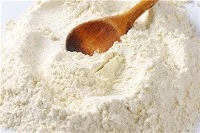
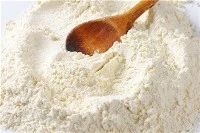
1. Flour – This is a common thickener used in cooking, especially for sauces and gravies. It works by forming a roux with fat and then adding liquid.
2. Cornstarch – Cornstarch is another common thickener used in cooking. It works by absorbing liquid and forming a gel-like substance.
3. Gelatin – Gelatin is a protein-based thickening agent that is commonly used in desserts such as gelatin molds and puddings.
4. Pectin – Pectin is a carbohydrate-based thickening agent that is commonly used in jams and jellies.
While these are all effective thickening agents, they may not be the strongest options available.
Gums
One category of strong thickening agents is gums. These are typically derived from plants and are used in a variety of industries, including food, cosmetics, and pharmaceuticals. Here are some of the most common gums used as thickening agents:
1. Xanthan gum – Xanthan gum is a polysaccharide that is produced from the fermentation of a bacteria called Xanthomonas campestris. It is commonly used in the food industry to improve the texture and stability of products such as salad dressings, sauces, and baked goods.
2. Guar gum – Guar gum is a galactomannan that is extracted from the seeds of the guar plant. It is commonly used in the food industry as a thickener and stabilizer in products such as ice cream, soups, and sauces.
3. Carrageenan – Carrageenan is a polysaccharide that is derived from red seaweed. It is commonly used in the food industry as a thickener and stabilizer in products such as dairy products, meat products, and beverages.
Gums are often used in combination with other thickeners to achieve the desired texture or viscosity. For example, xanthan gum may be used in combination with guar gum to produce a thicker, more stable product.
Cellulose Derivatives
Another category of strong thickening agents is cellulose derivatives. These are typically derived from wood pulp or cotton and are used in a variety of industries. Here are some of the most common cellulose derivatives used as thickening agents:
1. Hydroxypropyl methylcellulose (HPMC) – HPMC is a cellulose derivative that is commonly used in the pharmaceutical and construction industries as a thickener and binder.
2. Carboxymethyl cellulose (CMC) – CMC is a cellulose derivative that is commonly used in the food industry as a thickener and stabilizer in products such as baked goods, dressings, and sauces.
3. Ethyl cellulose – Ethyl cellulose is a cellulose derivative that is commonly used in the pharmaceutical industry as a thickener and binder in tablet formulations.
Cellulose derivatives are typically easy to use and are compatible with a wide range of other ingredients. They are also often used in combination with other thickeners to achieve the desired texture or viscosity.
Silica Derivatives
Silica derivatives are another category of strong thickening agents. They are typically derived from natural or synthetic sources and are used in a variety of industries. Here are some of the most common silica derivatives used as thickening agents:
1. Colloidal silica – Colloidal silica is a silica derivative that is commonly used in the cosmetic industry as a thickener and stabilizer in products such as lotions and creams.
2. Fumed silica – Fumed silica is a silica derivative that is commonly used in the construction and automotive industries as a thickener and reinforcing agent.
3. Precipitated silica – Precipitated silica is a silica derivative that is commonly used in the food and pharmaceutical industries as a thickener and anti-caking agent.
Silica derivatives are typically easy to use and are compatible with a wide range of other ingredients. They are also often used in combination with other thickeners to achieve the desired texture or viscosity.
Conclusion
While there are many different types of thickening agents available, some are stronger than others. Gums, cellulose derivatives, and silica derivatives are all strong options that are commonly used in a variety of industries. When selecting a thickening agent, it is important to consider the specific application and the desired texture or viscosity. By choosing the right thickening agent, you can improve the quality and stability of your products.