

Water Treatments
Why Choose Us
Rich Experience
Founded in 2009, Shanghai Exquisite is a company specializing in the production and supply of APIs and chemicals.
Professional Technique
Shanghai Exquisite cooperates with Tianjin University and Shanghai Institute of Organic Chemistry to focus on the research and development of health care products.
Quality Guaranteed
Our products have passed ISO 9001, HACCP, FSSC22000, SC and CFDA, Korean FDA, EU GMP and other quality management system certifications, as well as KOSHER and HALAL certifications.
Global Sales
Our products have been exported to Europe, the United States, India, South Asia, Southeast Asia and other regions, and have been recognized and highly praised by the market and customers.
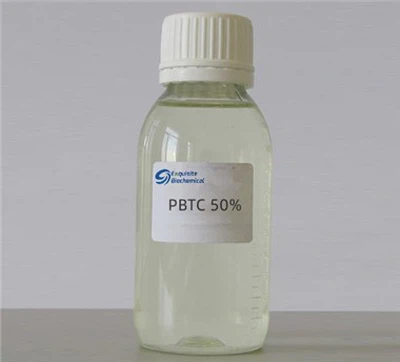
Chemicals in Water Treatment
Chemicals are essential in treating wastewater. In fact, wastewater treatment requires even more aggressive chemicals than municipal drinking water treatment. So it’s always important to properly and safely store the chemicals that are used in the treatment process.
Shanghai Exquisite mainly produces bactericides and antiscalants for water treatment. Let’s introduce some important products to you!
Algaecides
Algaecides are chemicals that kill algae and blue or green algae, when they are added to water. Examples are copper sulphate, iron salts, rosin amine salts and benzalkonium chloride. Algaecides are effective against algae, but are not very usable for algal blooms for environmental reasons.
Antifoams
Antifoam blends contain oils combined with small amounts of silica. They break down foam thanks to two of silicone's properties: incompatibility with aqueous systems and ease of spreading. Antifoam compounds are available either as powder or as an emulsion of the pure product.
Coagulants
When referring to coagulants, positive ions with high valence are preferred. Generally aluminium and iron are applied, aluminium as Al2(SO4)3- (aluin) and iron as either FeCl3 or Fe2(SO4)3-. One can also apply the relatively cheap form FeSO4, on condition that it will be oxidised to Fe3+ during aeration.
Biocides
Biocides are usually slug fed to a system to bring about rapid effective population reductions from which the microrganisms cannot easily recover. There are various different biocides, some of which have a wide range of effect on many different kinds of bacteria. They can be divided up into oxidising agents and non-oxidising agents.
Boiler Water Chemicals
Boiler water chemicals include all chemicals that are used for the following applications.
- Oxygen scavenging;
- Scale inhibition;
- Corrosion inhibition;
- Antifoaming;
- Alkalinity control.
Corrosion Inhibitors
Corrosion can lead to failure of critical parts of boiler systems, deposition of corrosion products in critical heat exchange areas, and overall efficiency loss. That is why corrosion inhibitors are often applied. Inhibitors are chemicals that react with a metallic surface, giving the surface a certain level of protection. Inhibitors often work by adsorbing themselves on the metallic surface, protecting the metallic surface by forming a film.
Disinfectants
Disinfectants kill present unwanted microrganisms in water. There are various different types of disinfectants.
- Chlorine (dose 2-10 mg/L)
- Chlorine dioxide
- Ozone
- Hypochlorite
Oxidants
Chemical oxidation processes use (chemical) oxidants to reduce COD/BOD levels, and to remove both organic and oxidisable inorganic components. The processes can completely oxidise organic materials to carbon dioxide and water, although it is often not necessary to operate the processes to this level of treatment
What is DBNPA?
DBNPA or 2,2-dibromo-3-nitrilopropionamide is a quick-kill biocide that easily hydrolyzes under both acidic and alkaline conditions. It is preferred for its instability in water as it quickly kills and then quickly degrades to form a number of products, depending on the conditions, including ammonia, bromide ions, dibromoacetonitrile, and dibromoacetic acid. DBNPA acts similar to the typical halogen biocides.
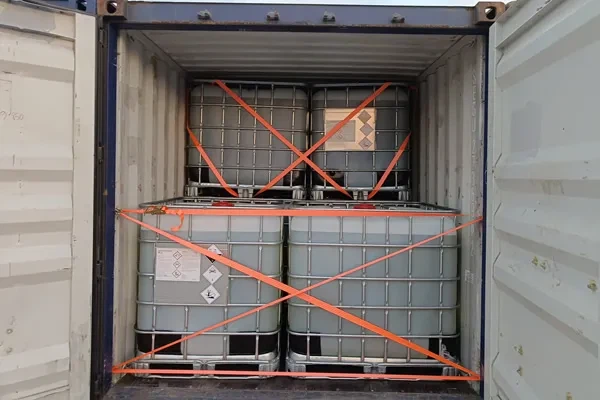
Properties of DBNPA
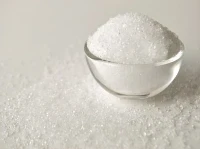
DBNPA is white crystals. It is soluble in acetone, polyethyleneglycol, benzene, ethanol, etc. The 2,2-Dibromo-3-Nitrilopropionamide (DBNPA) solubility is soluble in common organic solvents and slightly soluble in water.
DBNPA biocide is stable in acidic conditions and decomposed in alkaline conditions or the presence of hydrogen sulfide.
The solid DBNPA is an efficient germicide for the recycling water system. It can penetrate the cytocyst of microbes quickly and kill them by reacting with some proteins in it, stopping the redox of cells.
DBNPA solid biocide has a good stripping property, little poison, and no foam in the system. The organic solutions can be miscible with water.

Features of DBNPA
- Fully soluble in water and most light alcohols and glycols.
- Avoid alkaline solutions, hydrolyses under neutral to alkaline conditions.
- No compatibility problems, however there may be interactions if added at the same time as other preservatives.
- Composition:2,2-dibromo-3-nitrilopropionamide.
Broad-Spectrum Bactericidal Properties
This substance has strong bactericidal power and is broad-spectrum antibacterial. Both bacteria and fungi have a good killing effect and can be used for sterilization and disinfection of various environments and materials.
Excellent Environmental Performance
The substance is easily degraded after use. Therefore, after use, there is no residue, no residue, and no pollution to the environment. In line with the requirements of green production and environmental protection, it is an ideal environment-friendly fungicide.
A Multi-Effect Compound Function
This material not only has high efficiency of sterilization, but also has extremely strong functions such as algae-killing, viscose-killing, descaling, etc. In addition, the material has very little corrosion to the equipment and has the ability of corrosion inhibition.
Good Synergistic Performance
The substance and other chlorine-containing bactericidal agents constitute a compound agent, which has a good synergistic effect, can improve the effect of other chlorine-containing bactericides, and can reduce the corrosion speed of chlorine-containing bactericides to the equipment.
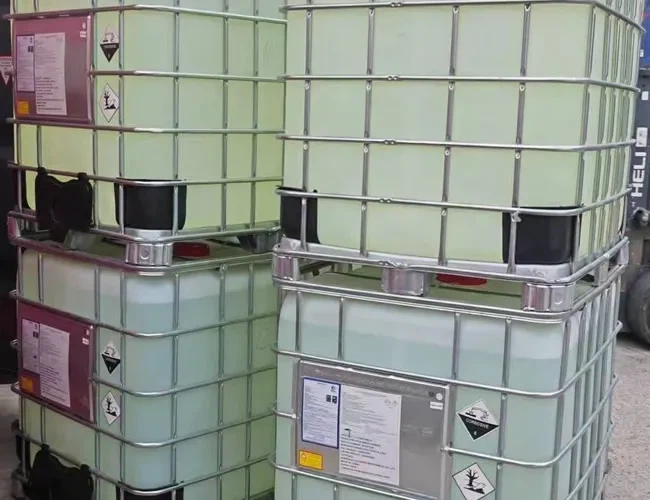
DBNPA Application Area
- 2,2-Dibromo-3-Nitrilopropionamide is widely used as a disinfectant, bactericide, algicide, slime stripper, and mildew inhibitor in the following aspects.
- The circulating cooling water system, oil field water injection system, bactericide, algicide, slime stripper in the paper industry.
- Preservatives for paints, waxes, inks, detergents, surfactants, slurries, resins.
- Process water, air purifier system in the machinery manufacturing industry, fungicides, and algicides in municipal water landscapes.
DBNPA Usage
- When used as a water treatment slime stripper, the DBNPA is added at a concentration of 30~50 mg/L.
- Used as a water treatment bactericide for circulating cooling water systems. According to water retention, DBNPA is added at 10~20 mg/L.
What is BRONOPOL?
Bronopol (INN; chemical name 2-bromo-2-nitropropane-1,3-diol) is an organic compound that is used as an antimicrobial. It is a white solid although commercial samples appear yellow.
Bromopol's first applications were as a preservative for pharmaceuticals. Due to its low mammalian toxicity at in-use levels and high activity against bacteria, especially Gram-negative species, bronopol became popular as a preservative in many consumer products such as shampoos and cosmetics.
It was subsequently adopted as an antimicrobial in other industrial environments such as paper mills, oil exploration, and production facilities, as well as cooling water disinfection plants.

Physical and Chemical Properties
Appearance
Bronopol is supplied as crystals or crystalline powder, which may vary from white to pale yellow in colour depending on the grade of material being offered.
Melting Point
As a pure material, Bronopol has a melting point of about 130°C. However due to its polymorphic characteristics, Bronopol undergoes a lattice rearrangement at 100 to 105°C and this can often be wrongly interpreted as the melting point.
Solubility
Bronopol is readily soluble in water although the dissolution process is endothermic. Solutions containing up to 28% w/v are possible at ambient temperature.
Stability in Aqueous Solution
In aqueous solutions, Bronopol is most stable when the pH of the system is on the acid side of neutral. Temperature also has a significant effect on stability in alkaline systems.
Applications of BRONOPOL
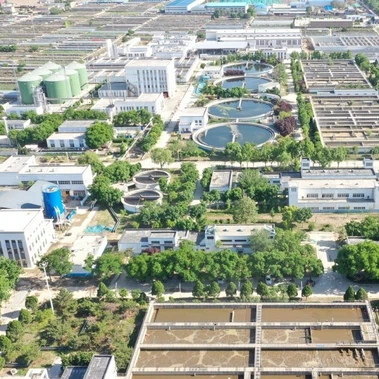


Water Treatment Fungicide
- Water treatment fungicides in the manufacture of industrial cooling water, pulp, and paper.
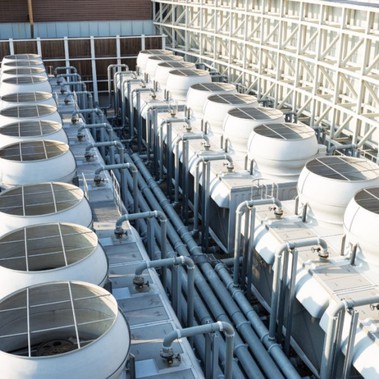
Bronopol can be compounded to form a new class of fungicides. The addition of Bronopol improves the bactericidal effect of these bactericides so that the formulated bactericide can completely prevent the formation of Klebsiella pneumonia.
- Bactericide to inhibit sludge expansion.
- Air conditioning circulating water fungicide
Fungicide for the Petroleum Industry
Bronopol and surfactants are made into a strip and block solid bactericides, which are used to control the growth of microorganisms in oil well water. The results show that this bactericide can be dispersed and dissolved in water without dissolving in oil. Therefore, the bactericide can enter the bottom water layer of the oil or gas well collection system to kill bacteria, thereby effectively inhibiting the corrosion of metal workpieces.
Pharmaceutical Industry
Due to its low toxicity to animals and broad-spectrum bactericidal properties, Bropol has also been used by many pharmaceutical raw materials suppliers in recent years. A new type of hand cleaning agent was invented by using bronopol as a bactericide. Its advantages are that the cleaning needle is easy to use, does not need rinsing after use, and has no irritation and dryness to the skin.
Detergents
This deodorizer can not only kill the fungi and scale insects in the toilet at very low concentration but also effectively remove ammonia, hydrogen sulfide and mercaptan in the air and water of the toilet. Because bronopol is tasteless and cheap, it can be used not only in domestic toilets but also in air deodorant in garbage disposal cans and deodorizing beads in pet bedding.
What is ATMP?
ATMP or aminotris(methylenephosphonic acid) is a phosphonic acid with chemical formula N(CH2PO3H2)3. It has chelating properties. It can be synthesized from the Mannich-type reaction of ammonia, formaldehyde, and phosphorous acid, in a manner similar to the Kabachnik–Fields reaction.
Properties of Amino Trimethylene Phosphonic Acid
Amino trimethylene phosphonic acid has excellent chelation. Its threshold inhibition is low, and chemical stability is high. ATMP is an excellent antiscalant and chelating agent to most metal ions like Ca, Ba, Mg, Fe, and Pb, especially Calcium Carbonate (CaCO3). It is difficult to hydrolyze in the water system and can distort the lattice. In a higher concentrated system, ATMP is also a good corrosion inhibitor.

Scale and Corrosion Prevention: ATMP is a highly effective scale inhibitor and corrosion inhibitor that can help to protect equipment and pipelines from damage caused by mineral deposits and rust.
Metal Ion Sequestration: ATMP is an excellent chelating agent that can sequester metal ions such as calcium, magnesium, and iron, preventing them from forming insoluble compounds that can cause scaling and corrosion.
PH Buffering:ATMP has a slightly acidic pH, which can help to buffer the pH of water and prevent it from becoming too alkaline or acidic.
Biodegradability:ATMP is a biodegradable chemical that breaks down naturally in the environment, reducing the risk of environmental pollution.
- ATMP is scale inhibitor and complexing agent which is applicable in various formulations of water treatment chemicals
- ATMP has better antiscalent performance than that of polyphosphate through its excellent chelating ability and low threshold inhibition.
- It can prevent scale formation in water systems. ATMP is the phosphonate analog of nitrilotriacetic acid
- ATMP is an effective scale inhibitor used in various industrial applications such as industrial water treatment and detergents.
- It further shows good corrosion inhibition properties in presence of zinc and other phosphates.
- ATMP can be also used as chelating agent in the textile industry.


What is 1-Hydroxy Ethylidene-1,1-Diphosphonic Acid?
1-Hydroxyethylidene-1,1-diphosphonic acid (HEDP) acid with its CAS number 2809-21-4 is a cost effective scale inhibitor used in various industrial applications such as industrial water treatment and detergents.
Advantages of HEDP
Superior Thermal Stability:HEDP maintains its effectiveness at higher temperatures, making it suitable for applications where heat plays a significant role, such as industrial boilers or heat exchangers.
Broader pH Range:HEDP demonstrates stability and effectiveness across a wider pH range compared to some other water treatment agents, providing greater flexibility in different water treatment scenarios.
Stronger Chelating Power:HEDP possesses strong chelating properties, allowing it to form stable complexes with metal ions. This results in better sequestration and inhibition of metal ions, reducing the risk of scaling and corrosion.
Applications of HEDP
- Cooling water systems / industrial water treatment
- Industrial detergents
- Swimming pools
- Metal surface treatment as a corrosion inhibitor for steel
- Stabilizer in H2O2 solutions
- Sequestering agent in textile auxiliaries
Precautions for Safe Handling
- Avoid dust formation.
- Measures to prevent fire as well as aerosol and dust generation
- Removal of dust deposits.
- Wash hands before breaks and after work. Keep away from food, drink and animal feeding stuffs.

What is CMIT/MIT?
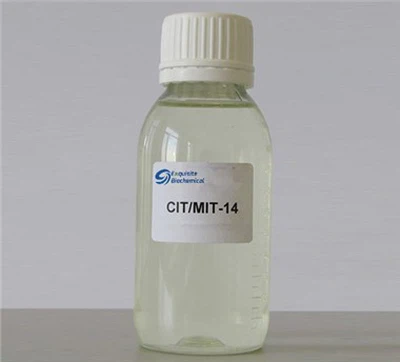
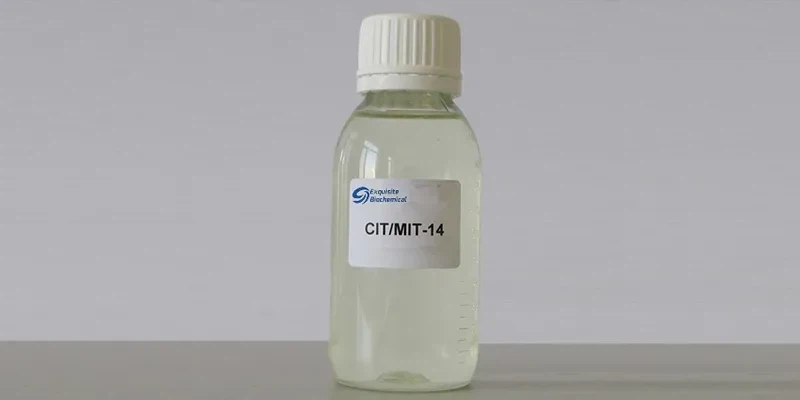
CMIT/MIT (Chloromethylisothiazolinone/Methylisothiazolinone) is a powerful biocide blend widely used in water treatment applications. Recognized for its efficiency in controlling microbial growth, CMIT/MIT is a synergistic combination of two isothiazolinone derivatives.
Properties of CMIT/MIT
CMIT/MIT boasts exceptional properties that make it a preferred choice for water treatment:
Broad-Spectrum Biocidal Action: Effective against a wide range of microorganisms.
Water Solubility: Highly soluble for easy dispersion in water.
Low Environmental Impact: Designed with minimal ecological impact.
Features of CMIT/MIT
Our CMIT/MIT 14% solution offers:
High Concentration: With a potent concentration of 14%, our CMIT/MIT solution delivers powerful microbial inhibition, requiring lower dosage for effective water treatment.
Long-Lasting Residual Effect: Sustained protection against microbial regrowth.
Choose our CMIT/MIT 14% for reliable and efficient water treatment, ensuring the longevity and cleanliness of your water systems.

Benefits of Industrial Water Treatment
Provides Clean and Reusable Water
This is obvious that throwing away even wastewater is harmful to nature. So, if there is any water which cannot be used for consumption even after treatment, should be treated so that it will not affect the atmosphere. Besides, treating the wastewater through an industrial water plant can provide clean water to reuse. It can further be purified for human consumption if required.
Protect Environment
Wastewater contains a lot of waste materials including chemical components. The water released from the industrial sector, it contains a harmful chemical, which can be fatal to leave it wide open out there. In such condition, the industrial water treatment plant will remove the harmful ingredients and chemical components from the water. This way, two things will happen. First, you can reuse the water for personal or industrial use. Second, you can help in minimizing environmental pollution too.
Keeps Disease Away
If water is not pure, it turns out the source of many diseases. This is the reason we fall ill frequently during monsoon. Similarly, if the used water, wastewater or blackwater not treated well, then it would produce disease-causing bacteria that will harm the trees, plants, and animals.
Produces Energy
Water is the source of electricity, right? So, the industrial water treatment plant can fully operate through its own power, generated during the treatment process. Yes, while the water treatment process is on, electricity can also be generated. Besides, it can sell the rest electricity to the national electricity grid for mass use.
Coagulation
The first step of getting water treated is through coagulation. This involves adding chemicals with a positive charge to the water which should neutralize the negative charge of dirt and other dissolved substances. Such chemicals include iron and specific types of salt.
Flocculation
This step refers to the process of gently mixing the water to create larger, heavier particles known as flocs. In most cases, additional chemicals are being added to the water to allow the flocs to form easily.
Sedimentation
Once flocs form, they settle to the bottom of the water because they are heavier. This is called sedimentation in water treatment, which is one of the processes that water treatment plants use in separating the solids, such as flocs, from the water before going to the next step.
Filtration
The water again goes through another process of solids separation through filtration. The separated, clear water on top now passes through filters with various pore sizes, made from different materials such as sand and gravel. Ultimately, these filters are in place to help remove dissolved particles and unwanted substances from the water.
Disinfection
During this step, any remaining parasites, bacteria, and viruses must be eliminated. This can be done by adding one or more chemical disinfectants to water such as chlorine or chlorine dioxide. Why do water treatment plants do this? It’s to keep water safe when traveling from the water treatment plant to homes and businesses because chemical disinfectants help eliminate the remaining unwanted microorganisms before the water reaches the intended end-use.
Wear Appropriate PPE
Plumbers use PPE throughout water treatment operations to avoid accidents or exposure to hazardous chemicals. When you don’t have protective gear, the unforeseen risks of water treatment procedures make the work unsafe. Respiratory protection, gloves, a helmet, goggles, water-resistant clothes, and other protective equipment are all essential.
Label Chemicals Correctly
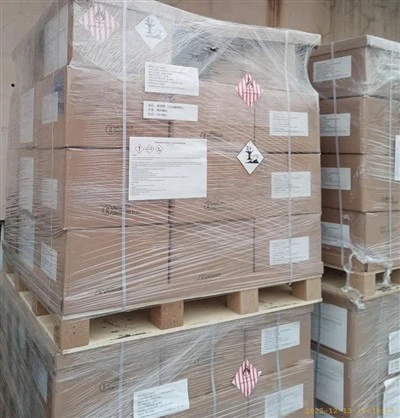
It is essential to correctly label chemicals to prevent mixing them up throughout the water treatment process. When you understand the chemical you’re dealing with, you can follow the manufacturer’s instructions and prevent a disastrous explosion. Include all relevant label information, such as the manufacturer, item identification and name, pressure, and barcode. If you should handle a chemical cautiously, mark it with a warming symbol.
Safe Machinery Operation
When using water treatment gear, it is essential to have proper training and permission. It is critical to follow the manufacturer’s instructions and only operate machinery when required. Manual examination before starting the water treatment process is also a wise precaution since monitoring sensors might fail.
Have Fall Protection Gear
Because working at heights is dangerous, your plumber must wear fall protection equipment. A fall may result in life-altering injuries or, in the worst-case scenario, death. A safety harness is an example of fall protection that a plumber would need when working at heights to avoid a fall into an open tank.
Maintain a Clean Work Environment
Keeping your workspace clear of clutter and dirt during water treatment improves safety. Debris may cause tripping, which can leak a harmful chemical, resulting in serious injury. Remove any items you are not using around your work area and store them properly.
Use the Right Lifting Technique
Lifting heavy things correctly during water treatment helps to prevent back problems. Plumbers have training in lifting objects safely by bending the knees, keeping the back straight, and lifting with the legs.
How to Pick the Best Supplier of Chemicals for Water Treatment?
Product excellence
Your main consideration should be the caliber of the chemicals used to purify the water. Low-quality chemicals can result in ineffective handling, equipment damage, and even environmental disaster. Seek out vendors that have received certifications like ISO 9001 and ISO 14001, which attest to the fact that their goods adhere to quality and environmental requirements.
The product line
To fulfill your unique demands, it is crucial to pick a provider that provides a wide selection of water treatment chemicals. Find providers who can provide chemicals for a range of uses, including the treatment of boiler water, cooling tower water, wastewater, and drinking water.
Technical knowledge
Look for vendors with teams of knowledgeable chemists and engineers who can offer guidance and technical assistance. They will be able to assist you with designing treatment plans, choosing the appropriate chemicals for your application, and troubleshooting any issues that might crop up.
Customer Support
Your total experience may be significantly impacted by the customer service provided by a provider. Look for suppliers who provide exceptional customer service, such as prompt replies to questions, on-time delivery, and flexible purchase choices.
Adherence to rules
Chemicals used in water treatment are governed by a number of legal criteria, including safety and environmental laws. Consequently, it is crucial to pick a provider who abides with these laws. Look for vendors who adhere to legal requirements and have a solid safety record.
Costs
When selecting a provider of water treatment chemicals, price is a crucial consideration. It shouldn't, however, be the lone determinant of your choice. While high costs do not necessarily imply great quality, low prices may suggest chemicals of poor grade.
Certifications
Our products have passed ISO 9001, HACCP, FSSC22000, SC and CFDA, Korean FDA, EU GMP and other quality management system certifications.


Our Factory
Shanghai Exquisite Biochemical Co.,Ltd. established in 2009, we are specializing in production and supply API and chemicals.


Frequently Asked Questions
Q:What chemicals are used in the treatment of water?
Q:What is the best chemical treatment for water?
Trichloroisocyanuric Acid.
Polyaluminium Chloride.
Hydrated Lime/Calcium Hydroxide.
Calcium Hypochlorite (Sodium Process)
Calcium Hypochlorite (Calcium Process)
Non-Ferric Aluminium Sulfate.
Ferric Aluminium Sulfate.
Q:What chemicals are used to treat well water?
Q:What is the best solution for water treatment?
Water Chlorination.
Distillation.
Iodine Addition.
Solar Purification.
Clay Vessel Filtration.
UV Radiation.
Desalination.
Q:What is the most common water treatment?
Q:What kills bacteria in well water?
Q:What is a biocide used for?
Q:What is biocide used for water treatment?
Q:What are examples of biocides?
Q:Why do we use antiscalant?
Q:What is the difference between scale inhibitors and antiscalants?
Q:Is antiscalant harmful to humans?
Q:How do Antiscalants work?
Q:Which chemical is used in antiscalant?
Q:Is antiscalant flammable?
Q:How do you calculate antiscalant dosing?
Q:What is the chemical SMBS used in water treatment?
Q:What is antiscalant chemical in boiler?
Q:Why are biocides added to cooling water?
Q:Do I need biocide for water cooling?
Shanghai Exquisite Biochemical Co., Ltd. is one of the most professional water treatments manufacturers and suppliers in China, featured by good service and punctual delivery. Please rest assured to buy high quality water treatments at competitive price from our factory.