

Food Ingredients
Why Choose Us
Rich Experience
Founded in 2009, Shanghai Exquisite is a company specializing in the production and supply of APIs and chemicals.
Professional Technique
Shanghai Exquisite cooperates with Tianjin University and Shanghai Institute of Organic Chemistry to focus on the research and development of health care products.
Quality Guaranteed
Our products have passed ISO 9001, HACCP, FSSC22000, SC and CFDA, Korean FDA, EU GMP and other quality management system certifications, as well as KOSHER and HALAL certifications.
Global Sales
Our products have been exported to Europe, the United States, India, South Asia, Southeast Asia and other regions, and have been recognized and highly praised by the market and customers.
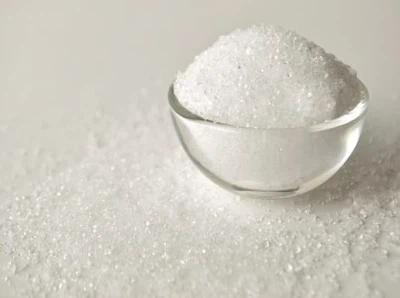
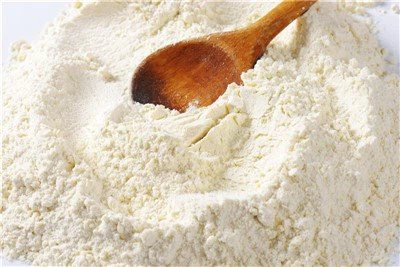

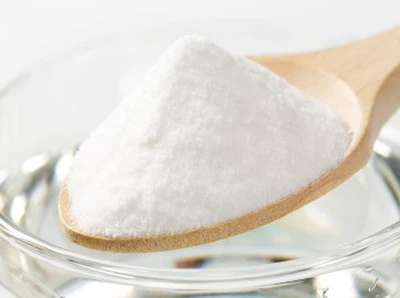


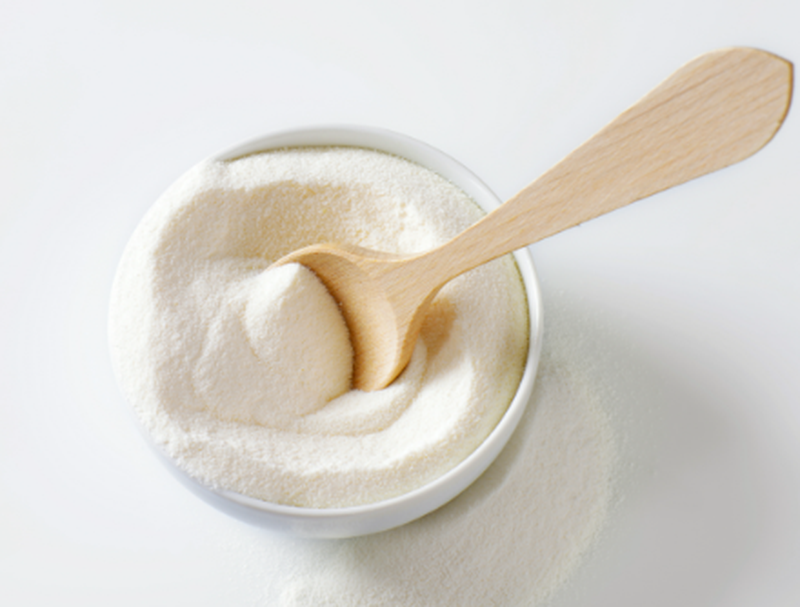
Any substance that is added to food for the desired effect is referred to as a food ingredient. The term “food ingredient” includes food additives, which are substances added to foods for specific technical and/or functional purposes during processing, storage or packaging.
Food additives are divided into two categories: direct and indirect. Food additives are substances not normally consumed as a food by themselves and not normally used as typical ingredients in foods.
Food additives are assessed for potential harmful effects on human health before they are approved for use. Authoritative bodies at the national, regional and international levels are responsible for evaluating the safety of food additives.
Benefits of Using Food Ingredients
Safety
Safety is the top priority of food ingredient manufacturers. Many food additives help make foods safer and more enjoyable by ensuring that foods do not spoil in transport or storage, maintain desirable characteristics, and remain uniform from batch to batch.
Affordability and Convenience
Food ingredients also help some foods stay fresh longer, which allows manufacturers and retailers to offer products at more competitive prices. Nisin, which can be used in some deli meats, helps ensure freshness and safety, particularly in parts of the world where refrigeration may not be consistent. In these areas, the addition of nisin to such meat products prevents life-threatening illness, while also providing an added benefit of nutritional animal proteins.
Sustainability
Food ingredients contribute to helping make our food supply more sustainable. They also feed our growing population through increased food production, improved nutritional quality, enhanced packaging solutions, preservation, and distribution techniques. Ingredients can also help to address the decreased supply of natural resources, and ensure that nutritious foods are able to be transported over long distances to regions where safe and nutritious foods may not be available.
Functions of Food Ingredients

Preservation
One of the main functions of additives is to preserve food. Preservatives used to control microbial growth include organic acids and their salts, sulfites, nitrites, parabens, and others. Without the addition of these additives, products would spoil at a more accelerated rate than would be expected by the consumer.
Enrichment
Enriching foods with nutrients is another function of food additives. Nutrients are added in amounts that do not exceed those found in the food before processing. Cereal products are a prime example of an enriched food to restore the original amount of nutrients prior to processing.
Color Improvement
The color of food may be natural or artificial. Natural plant pigments - such as carotene, chlorophyll, and lycopene - help impart hues of orange, green and red, respectively. Without adding vegetable dye, Cheddar cheese would not have its orange color.
Improvement in Flavor
Flavoring agents are both natural and synthetic compounds to add flavor to food products. Examples of natural flavors include plant extracts, essential oils, herbs, spices and others.
Altering Texture
Modifying recipes can be a challenging project. Replacing ingredients to reduce fat and calories, for example, can drastically change the texture, mouth-feel and other sensory properties.
Preparation Aid
Some food additives make food processing easier. Chemical defoamers, for example, may be used to minimize foaming in foods high in fat content.
Acid Regulator
Acidity regulators, also called buffering or pH adjusting agents, help control the pH of a food to prevent it from becoming too acidic or alkaline.
Anticaking Agents
Powdered foods often clump together and change textures when they absorb moisture from the environment. The addition of anticaking agents help to prevent this from happening.
Antifoaming Agent
Antifoaming agents, also known as defoamers, are commonly made from silicates, which are derived from silicon, oxygen, and other minerals.
Antioxidant
Antioxidants help prolong the shelf-life of foods by protecting against deterioration or breakdown caused by oxidation.
Nutrients
Replace vitamins and minerals lost in processing (enrichment), add nutrients that may be lacking in the diet.
Color Additives
Correct natural variations in color; enhance colors that occur naturally; provide color to colorless and "fun" foods.
Emulsifiers
Keep emulsified products stable, reduce stickiness, control crystallization, keep ingredients dispersed, and to help products dissolve more easily.
Firming Agent
Firming agents are used to help foods maintain their crisp quality and strength. They are also commonly used to help extend shelf life.
Flavor Enhancers
Enhance flavors already present in foods (without providing their own separate flavor).
Foaming Agent
Foaming agents make it possible to add a gas, such as carbon dioxide, to a liquid or solid food, leading to a change in texture.
Gelling Agent
Gelling agents are often used to enhance the texture of foods by improving their thickness through the formation of a gel.
Glazing Agent
Glazing agents give food products a protective coating on their outer surface, helping to protect from bacteria and extending shelf-life.
Humectant
Humectants help to retain or prevent the loss of moisture in foods by joining and controlling water activity.
Preservatives
Prevent food spoilage from bacteria, molds, fungi, or yeast (antimicrobials); slow or prevent changes in color, flavor, or texture and delay rancidity (antioxidants).
Raising Agent
Raising agents increase the size of and air inside of a dough or batter, resulting in the often desired light, airy texture of breads and baked goods.
Sequestrant
Sequestrants help improve and preserve the quality and stability of food products by preventing rotting and oxidation.
Stabilizer and Thickeners
Stabilizers and Thickeners help food produce uniform texture, improve "mouth-feel".
Sweeteners
Add sweetness with or without the extra calories.
Application of Food Ingredients
Optimise taste, nutrition, function, sustainability and consumer appeal in food and beverage applications with our solutions and expertise.
Bakery
Manufacture clean label and best-in-class baked goods and desserts.
Beverages
Formulate great tasting, sustainable and innovative beverages.
Dairy & Alternative Dairy
Deliver authentic, healthier and tastier dairy and alternative dairy products.
Ready & Frozen Meals
Create memorable meals with authentic taste using functional, safe and sustainable solutions.
Meat & Alternative Meat
Launch on-trend meat and meat alternative products that respond to consumer desires for taste, nutrition and sustainability.
Snacks
Create snacks with natural, real ingredients that deliver superior taste and nutrition.
Consumer-driven solutions
Crafting food and beverage products that are clean label, sustainable, nutritious and delicious can introduce formulation and operational challenges. We merge the science of taste with the science of nutrition to help brands overcome these challenges and launch market-leading products.

The food additives being used should present no risk to the health of the consumer at the levels of use.
The use of food additives is justified only when such use has an advantage, does not present a hazard to health of and does not deceive the consumer, as well as serves one or more of the following technological functions and needs:
- To preserve the nutritional quality of the food;
- To provide necessary constituents for foods manufactured for groups of consumers having special dietary needs.
- To enhance the keeping quality or stability of a food or to improve its organoleptic properties.
- To provide aids in the processing, packaging, transport or storage of food, provided that the additive is not used to disguise the effects of the use of faulty raw materials or of undesirable (including unhygienic) practices of techniques during the course of any of these activities.
All food additives shall be used under conditions of good manufacturing practice (GMP) which include the following:
- The quantity of the additive added to food shall be limited to the lowest possible level necessary to accomplish its desired effect.
- The quantity of the additive that becomes a component of food as a result of its use in the manufacturing, processing or packaging of a food and which is not intended to accomplish any physical, or other technical effect in the food itself, is reduced to the extent reasonably possible.
Sources of Food Ingredients
Food ingredients, including food additives, are as varied in their origin as they are in function. Some food additives come from minerals while others are derived from plant sources like seaweed, trees, and fruit. Another source of food ingredients is live microbes, which help with fermentation provide the “good bacteria” that improve digestive health.
Below is helpful information on the sources of some common food ingredients and food additives.
Carob Bean Gum
Carob bean gum is made using the kernels from the carob tree. The kernels are coarsely ground to help separate the seed from the pulp. The seeds have their skins removed by an acid treatment, then split, and are gently milled. The brittle germ and endosperm are separated by sieving. The endosperm can be milled to produce carob bean powder.
Citric Acid
Citric acid is inherent in many fruits, vegetables, and some living organisms, such as mold, through the citric acid cycle. It is also produced through microbial fermentation.
Certified Colors
Certified colors can be derived from natural sources or synthesized from smaller organic molecules. This process includes multiple purification steps to ensure high quality, safe products.
Konjac Gum
Konjac gum is obtained by drying the tuber of the Amorphophallus konjac plant and then milling it into konjac flour. Its origin plant is typically grown in China, Japan, and several other Southeast Asian countries.
Mono- and Diglycerides
Mono- and diglycerides may be manufactured through the reaction of plant- or animal-derived fatty acids with glycerol, or via the breakdown of plant- or animal-derived fats and oils.
Glycerol Ester of Wood Rosin
Glycerol ester of wood rosin is harvested from the stumps of longleaf (pinus palustris) and slash (pinus elliottii) pine trees and purified into a beverage-grade weighting agent. Refined wood rosin (ester gum) is reacted with food grade glycerin to produce the glycerol ester.
Produce Methods of Food additives
- Fermentation
- Distillation
- Extraction
- Chemical synthesis

Our food ingredient products are produced according to standards. Below is an example of our food ingredient manufacturing process.
The Process Flow of Maltitol
Mixing
First, add a certain amount of water to the mixing tank, start the mixer, and gradually add starch to adjust the starch to starch milk with a concentration of 10% to 20%. Stir fully when mixing to prevent agglomeration. After the starch is completely mixed, add about 0.1% soda ash and adjust the pH to 6.0-6.4. In order to improve the activity of amylase, add 0.2%-0.5% (for starch) calcium chloride and then stir well.
Liquefaction
Put the adjusted starch milk into the storage tank, and the amylase content is calculated based on 5U/g starch. At the same time, the temperature is increased immediately above 100°C and stays for 5 minutes, and the enzyme is inactivated at high temperature. The starch liquefied liquid after high-temperature treatment has good dispersibility and does not easy to undergo condensation, which is conducive to the saccharification operation.
Saccharification
Cool the liquefaction to 45~50℃, adjust the pH to 5.8~6.0, add isoamylase 20U/g starch and fresh bran, 13-amylase 10U/g starch, and put it in saccharification for 30~40h. After that you will get a saccharification liquid of 80%~95% maltose and 5% to 15% maltotriose.
Filter press
Use a plate and frame filter press to filter with diatomaceous earth or crushed pearlite as filter aids until a clear filtrate is obtained.
Decolorization
Add powdered activated carbon at 0.5-1.0% of the dry matter of the filtrate, and mix the activated carbon with the same amount of filtrate before adding, so that it is easy to mix the activated carbon. First mix the diatomaceous earth with a small amount of saccharification liquid, and then use a pump to pump into the filter. The pressure is required to be below 0.1MPa, so that the diatomaceous earth is evenly deposited on the filter surface, and the filtrate that is initially filtered is unclear, and it is refluxed to the decolorization tank until the liquid is clear, close the return pipe, and send the filtrate to the storage tank. The filtration pressure should be controlled at 0.2 ~ 0.3MPa.
Ion exchange
Choose strong acid cation resin and strong basic anion resin. Before use, the ionic resin is immersed and expanded, and then loaded into the anion and cation columns respectively, and then can be used after pickling, alkali washing, and water selection. The flow rate is controlled to be about 700kg/h, the temperature is about 40℃. The length of the resin making cycle depends on the impurity content in the syrup, and the higher the impurity quality, the shorter the service cycle.
Vacuum concentration
The vacuum degree is maintained at 0.086-0.092MPa, the maltitol liquid temperature is about 50-53°C, the vacuum degree is not less than 0.066MPa, and the steam pressure is controlled at 0.2-0.3MPa. Concentrate to a solid content of 40-60%, stop steam and vent, and then it can be used as a raw material for preparing maltitol like maltitol syrup.
How to Choose the Right Food Ingredients for Your Product Line
Choosing the right food Ingredients is a critical decision for food manufacturers. Food additives play a vital role in enhancing product quality, stability, taste, and safety. However, with a wide range of additives available in the market, selecting the appropriate ones for your product line can be a complex task.
Functionality: Define the specific functionality you want the additive to provide. For example, if you need a preservative, consider additives such as citric acid or sodium benzoate. If you want to enhance the texture, consider hydrocolloids like xanthan gum or carrageenan. Understanding your desired outcome will help you narrow down the options.
Safety: Ensure that the selected food additives are approved for use by regulatory authorities such as the Food and Drug Administration (FDA) or the European Food Safety Authority (EFSA). Check for any potential health risks or allergenic properties associated with the additives. Conduct a thorough risk assessment to ensure consumer safety.
Regulatory Compliance: Familiarize yourself with the regulations and guidelines governing food additives in your target market. Different regions may have specific requirements and permitted levels for certain additives. Ensure your chosen additives comply with these regulations to avoid legal issues and maintain consumer trust.
Consumer Preferences: Stay informed about changing consumer preferences and trends. Increasingly, consumers are seeking natural and clean-label products, free from artificial additives. Consider using natural alternatives, organic additives, or additives derived from renewable sources to align with consumer preferences and market demands.
Compatibility and Interaction: Consider the compatibility of the chosen additive with other ingredients in your product formulation. Some additives may interact with certain ingredients, affecting the overall quality or stability of the product. Conduct compatibility tests to ensure the additive integrates well and does not cause adverse effects.
Shelf Life and Stability: Evaluate the impact of the chosen additive on the shelf life and stability of your product. Some additives may extend shelf life, enhance product stability, or prevent spoilage. Consider the storage conditions required for the additive and assess its compatibility with your product’s packaging materials.
Sensory Impact: Assess the sensory impact of the additive on the final product. Consider factors such as taste, texture, color, and aroma. Ensure that the additive enhances the sensory attributes of the product and aligns with your target consumers’ preferences.
Supplier Reliability: Choose reputable and reliable suppliers for your food additives. Consider their track record, quality control measures, and adherence to industry standards. Establish a good working relationship to ensure consistent supply, technical support, and responsiveness to your needs.
Cost-Effectiveness: Evaluate the cost-effectiveness of the chosen additive. Consider the dosage required, its availability, and the impact on your production costs. Balance the quality enhancement provided by the additive with the overall profitability of your product line.
Difference Between Food Additives and Preservatives
Definition
Additives are substances we add to food to enhance the flavor, texture, safety, appearance, or shelf-life of food, while preservatives are food additives we add to food to prevent spoilage caused by the growth of microorganisms such as bacteria, mold, and yeast.
Examples
High fructose corn syrup, honey, agave syrup, MSG, xanthan gum, carrageenan, pectin, and lecithin are some examples of additives, whereas sodium benzoate, potassium sorbate, sulfur dioxide, and sodium nitrite are some examples of preservatives.
Purpose
While additives enhance the flavor, texture, safety, appearance, or shelf-life of food, preservatives help to avoid the spoilage of food.
Types
Moreover, sweeteners, emulsifiers, stabilizers, antioxidants, and food colorings are some types of additives. Preservatives are one type of additive.

For most people, additives are not a problem in the short term. However, some food additives are more likely than others to cause reactions in sensitive people. It is often the additives that are used to give a food a marketable quality, such as colour, that most commonly cause allergic reactions. Some of these hypersensitive reactions include:
- Digestive disorders - diarrhoea and colicky pains
- Nervous disorders - hyperactivity, insomnia and irritability
- Respiratory problems - asthma, rhinitis and sinusitis
- Skin problems - hives, itching, rashes and swelling.
Certifications
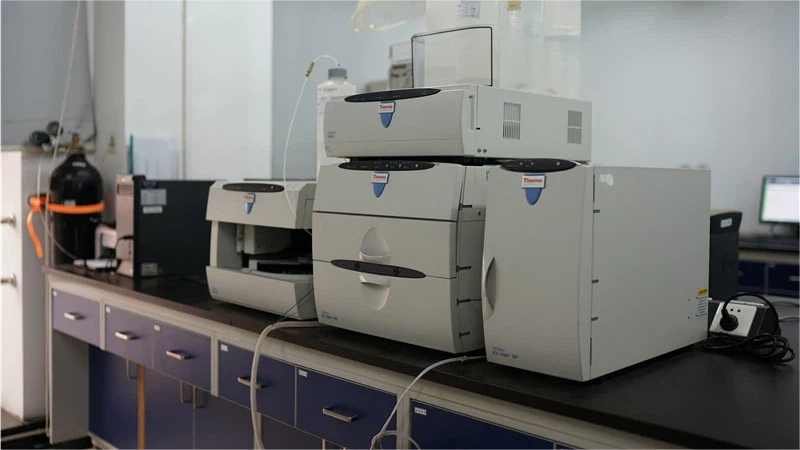
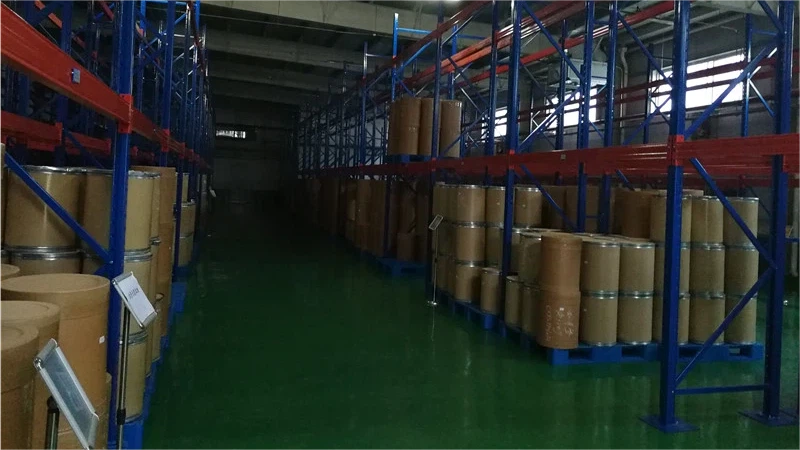
Our products have passed ISO 9001, HACCP, FSSC22000, SC and CFDA, Korean FDA, EU GMP and other quality management system certifications.


Our Factory
Shanghai Exquisite Biochemical Co., Ltd. established in 2009, we are specializing in production and supply API and chemicals.


Frequently Asked Questions
Q: How are food ingredients classified?
Q: What is the difference between food ingredients and food items?
Q: What are the 5 main food additives?
Artificial Food Coloring.
Sodium Nitrite.
Guar Gum.
High-Fructose Corn Syrup.
Artificial Sweeteners.
Trans Fat.
Q: Are food additives healthy?
Q: What are the advantages and disadvantages of food additives?
Q: What are healthy food additives?
Q: Are food additives really necessary?
Q: Should you avoid food additives?
Q: What are the 4 types of additives?
Q: What are some unhealthy additives?
Phthalates.
Perfluoroalkyl chemicals (PFCs).
Perchlorate.
Artificial food colors.
Nitrates and nitrites.
Q: Why do people avoid using food additives?
Q: What is the impact of food additives in your life?
Q: What are the pros of food additives?
Add nutrients.
Help process or prepare the food.
Keep the product fresh.
Make the food more appealing
Q: Are natural food additives safe?
Q: Can additives be organic?
Q: What food additives cause inflammation?
Q: What ingredients should you avoid in food?
Artificial Colors.
High Fructose Corn Syrup.
Isomalto-oligosaccharides (IMOs) .
Sugar Alcohols.
Whey Protein.
Natural Flavors.
Inulin.
Q: Are food additives carcinogenic?
Q: What food additives improve taste?
Q: What additives are banned from organic foods?
Q: What food additives raise blood pressure?
Shanghai Exquisite Biochemical Co., Ltd. is one of the most professional food ingredients manufacturers and suppliers in China, featured by good service and punctual delivery. Please rest assured to buy high quality food ingredients at competitive price from our factory.