

Shanghai Exquisite Biochemical Co., Ltd. is one of the leading manufacturers and suppliers of azodicarbonamide|ac blowing agent|adc foaming agent|123-77-3 in China. With a professional production team, we are able to meet the needs of the majority of our customers. We warmly welcome you to buy bulk high quality azodicarbonamide|ac blowing agent|adc foaming agent|123-77-3 from our factory. For price consultation, contact us.

Shanghai Exquisite:
Professional Blowing Agent Supplier and Manufacturer
Shanghai Exquisite Biochemical Co., Ltd. was established in 2009 and specializes in the production and supply of API and chemicals. Shanghai Exquisite launched GlobalchemMall (https://www.globalchemmall.com) to provide sourcing services for global chemical buyers. We set up an office in Canada to enhance our distribution channel in 2010.

Wholesale Chemical Blowing Agent
Strong production capacity
The professional factory ensures a foaming agent production capacity of about 40,000 tons per year, providing foaming agents at the best price to global buyers.
Rigorous Quality Assurance
With a strict and comprehensive quality management system, our products have passed certifications of ISO 9001, HACCP, FSSC22000, SC and GMP by CFDA, Korea FDA, EU GMP, KOSHER, and HALAL.
Diverse product selection
Cooperating with Tianjin University and Shanghai Institute of Organic Chemistry, we have been focusing on research and developing a variety of products that can strictly meet the needs of different customers in terms of concentration, reaction speed, etc.
Global market recognition
With 10 years of global transportation experience, we can quickly and safely send your products to the designated warehouse. Our products have been exported to Europe, the United States, India, South Asia, Southeast Asia, and other regions, and have been recognized and highly praised by the market and customers.
Basic Information
| Product name | Azodicarbonamide|AC blowing agent| masterbatch|123-77-3|AC Foaming agent|ADC blowing agent |
| CAS No. | 123-77-3 |
| EINECS No. | 204-650-8 |
| Molecular formula | C2H4N4O2 |
| Molecular weight | 116.08 |
| Structure |  |
| Modified azodicarbonamide blowing agent|Modified azodicarbonamide foaming agent | |||||
|
Name |
Application |
Type |
Decomposition TemperatureºC |
Gas evolution |
Average partide size(um) |
|
High temperature azodicarbonamide foaming agent |
Plastic, rubber foaming |
AC-6(AC 1000) |
200~208 |
≥220 |
4~6 |
|
(AC 3000) |
200 |
≥220 |
9~10 |
||
|
(AC 7000) |
200 |
≥220 |
3~5 |
||
|
Normal azodicarbonamide foaming agent |
Plastic, rubber foaming. The foaming of EVA, MD in big or small mould. |
AD-6 |
150~200 |
190~200 |
8~10 |
|
AD-8 |
150~180 |
190~195 |
8~10 |
||
|
AD-10 |
160~180 |
180~190 |
8~10 |
||
|
AD-11 |
160~200 |
180+5 |
8~10 |
||
|
Artificial leather foaming agent |
PVC artificial leather and half PU artificial leather |
ACR-8 |
200+5 |
≥220 |
6~8 |
|
ACR-10 |
170+5 |
≥200 |
5~7 |
||
|
The series of DG white foaming agent |
TPR,PVC gas injection foaming process |
DG-1 |
140~170 |
≥110 |
5~6 |
|
DG-4 |
140~170 |
≥90 |
5~6 |
||
|
DG-5 |
140~170 |
≥130 |
5~6 |
||
|
AC-6T foaming agent |
The injection foaming process of PVC,TPR,PS profiles, sheets, plates Plastic, rubber foaming. PVC, PE, PP tube foaming, foam layer of leather foaming. |
AC-6T1# |
160~180 |
170+5 |
6~8 |
|
AC-6T2# |
140~180 |
170+5 |
6~8 |
||
|
AC-6T3# |
150~180 |
150+5 |
6~8 |
||
|
AC-6T4# |
150~170 |
145+5 |
6~8 |
||
|
AC-135 |
135+2 |
160+5 |
7~8 |
||
|
AC-165 |
165+2 |
180+5 |
8~10 |
||
|
AK-8 |
125~160 |
130+5 |
7~8 |
||
|
Injection foaming agent |
EVA injection foaming process |
AC-3000H1# |
188+5 |
≥185 |
5~10 |
|
AC-3000H2# |
180+2 |
≥190 |
5~10 |
||
|
AC-6000H1# |
180+2 |
≥170 |
5~10 |
||
|
AC-6000H2# |
170~178 |
≥180 |
5~10 |
||
A Comprehensive Guide to Azodicarbonamide
I. Product Introduction
Definition and common names
Azodicarbonamide, also known as ADA, ADCA, or azo(bis)formamide, is a chemical compound with the molecular formula C2H4O2N4. It is a yellow to orange-red, odorless, crystalline powder that has various applications in different industries. It was first described by John Bryden in 1959.
Types and development of blowing agents
Blowing Agent is the most important component used in the preparation of foam plastics. It refers to a type of additive that can be added to form a cell structure in the plastic. It can be divided into physical blowing agents (Physical Blowing Agents, PBA) and chemical blowing agents (Chemical Blowing Agents, CBA ).
Physical Blowing Agent Physical Blowing Agent refers to a foaming substance that volatilizes at least one gas as a foaming gas during processing, including three categories: compressed inert gas, soluble easily sublimable solid, and low boiling point volatile liquid, among which low Boiling point liquids are most commonly used. Low-boiling point volatile liquids are the most commonly used physical Blowing Agents. The main varieties are aliphatic hydrocarbons (generally hydrocarbons containing 5 to 7 carbons), halogenated hydrocarbons (fluorine, chlorine) and other low-boiling point alcohols. , ether ketones and aromatics, etc.
Chemical Blowing Agent Chemical Blowing Agent refers to a foaming substance that is thermally decomposed during processing to produce at least one foaming gas (N2, CO2, etc.). It can be divided into inorganic Blowing Agents and organic Blowing Agents. They are divided into organic chemical Blowing Agents (Organic Chemical Blowing Agents) and inorganic chemical blowing agent (Inorganic Chemical Blowing Agent). The blowing agents produced by Shanghai Exquisite Biochemical Co., Ltd include blowing agents for PVC, blowing agents for EVA, blowing agents for PE/PP, and blowing agents for rubber. , other Blowing Agents.
Inorganic Blowing Agents are the earliest type of chemical Blowing Agents used. Due to their poor compatibility with resin, low decomposition temperature, and the gases produced by decomposition (such as NH3 and CO2, etc.) that easily penetrate the bubble film, their use has been greatly limited. Applications in plastics. Inorganic Blowing Agents are generally not used alone , but are often used in plastics together with organic Blowing Agents. Commonly used inorganic Blowing Agents include sodium bicarbonate, ammonium bicarbonate, ammonium carbonate, sodium nitrite and sodium borohydride.
Organic Blowing Agent is the most commonly used type of Blowing Agent. It has good dispersion in resin, narrow decomposition temperature, and the gas generated is not easy to escape from the cells. Commonly used ones include azo, nitroso, sulfonyl hydrazide, etc. Azo is the most commonly used organic Blowing Agent. Among them, azodicarbonamide AC is the most widely used Blowing Agent among azo. The decomposition temperature of AC can be adjusted by foaming accelerator. Generally, it can be Adjust to the range of 150~205℃. Nitroso Blowing Agents are the second largest Blowing Agent after azo Blowing Agents.
Chemical composition and structure
The structure of azodicarbonamide consists of two carbamoyl groups (NH2-C=O) linked by a diazo group (N=N). The diazo group is responsible for the thermal decomposition of azodicarbonamide, which produces nitrogen, carbon monoxide, carbon dioxide, and ammonia gases. These gases are trapped in the polymer as bubbles to form a foamed article.
Azodicarbonamide is synthesized in two steps from urea and hydrazine. First, urea reacts with hydrazine to form biurea, as shown in this equation:
2 O=C(NH2)2 + H2N-NH2 → H2N-C(O)-NH-NH-C(O)-NH2 + 2 NH3
Then, biurea is oxidized with chlorine or chromic acid to yield azodicarbonamide:
H2N-C(O)-NH-NH-C(O)-NH2 + Cl2 → H2N-C(O)-N=N-C(O)-NH2 + 2 HCl
Physical and chemical properties
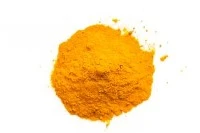
Azodicarbonamide is a yellow to orange-red, odorless, crystalline powder. It has a molar mass of 116.08 g/mol and a density of 1.65 g/cm3. It is insoluble in water and most organic solvents, but soluble in dimethyl sulfoxide (DMSO) and dimethylformamide (DMF). It is stable at room temperature, but decomposes at temperatures above 200 °C, releasing nitrogen, carbon monoxide, carbon dioxide, and ammonia gases.
II. Applications of Azodicarbonamide
Food industry: bread, buns, cakes, and more
Azodicarbonamide (ADA) is a chemical substance that has various applications in the food industry. It is used as a whitening agent in cereal flour and as a dough conditioner in bread baking. As a whitening agent, it can oxidize the natural pigments in flour and make it appear brighter. As a dough conditioner, it can enhance the elasticity and toughness of gluten, and improve the rheological and mechanical properties of dough. ADA works by releasing active oxygen when mixed with flour and water, which oxidizes the sulfhydryl groups of amino acids to disulfide bonds in the protein molecule. ADA is approved by the FDA as a safe food additive when used for the purposes and at the levels specified in the regulations. However, some controversy exists over its safety due to its use as a blowing agent in foamed plastics and the potential carcinogenicity of semicarbazide, a breakdown product of ADA.
Plastics: foaming agents
Azodicarbonamide (ADCA) is a chemical compound that has various applications in plastics, especially as a foaming agent. It decomposes at high temperatures to produce gases such as nitrogen, carbon monoxide, carbon dioxide, and ammonia, which create bubbles in the polymer matrix and form a porous structure. It is mainly used as a foaming agent for polyvinyl chloride, polyethylene, polypropylene, polyamide, polystyrene, ABS resin, etc. Modified Azodicarbonamide blowing agent |foaming agent can be added to PP, PA, PC, PET / PBT, and more where the injection temperature is above 230 ℃. Once added, the enhanced mobility of the melted plastics ensures that every inch of the plastics is heated evenly to prevent warpage. Given 65MPa injection pressure, 260C molding temperature, and a 45-second cooling time, for instance, the density of a PC product decreases by 30% for every 2% addition of the blowing agent.
Rubber industry: blowing agents
Azodicarbonamide (ADC) is a chemical compound that is widely used as a blowing agent in the rubber industry, especially for the production of foamed rubber products such as seals, gaskets, mats, and carpets. ADC decomposes at high temperatures and releases nitrogen gas, which forms bubbles in the rubber matrix and creates a cellular structure. ADC has several advantages over other blowing agents, such as low cost, high gas yield, uniform cell distribution, and good compatibility with rubber compounds. It is mainly used for the blowing of neoprene rubber, nitrile rubber, natural rubber, butyl rubber, styrene-butadiene rubber, silicone rubber, etc. Its decomposition products are non-toxic, odorless, and non-polluting, and pure white plastic foam can be obtained.

Specific application examples of Azodicarbonamide
|
Product Name |
Functions of Azodicarbonamide |
|
Artificial leather |
Coating Modified Azodicarbonamide blowing agent |foaming agent on PVC or PU artificial leather can bring a suede-like touch. If the dosage and particle size of Modified Azodicarbonamide blowing agent |foaming agent are adjusted accordingly, other surface effects can also be realized. Additionally, it makes the artificial leather soft, stretchy, and breathable. |
|
Wallpaper |
The addition of a Modified Azodicarbonamide blowing agent |foaming agent can give the wallpaper a three-dimensional pattern effect or velvet texture. Adding blowing agents of different particle sizes may produce different types of surface appearance and feel. Usually, small particle-sized blowing agents bring a smooth surface while large particle-sized blowing agents give a relatively rougher one. |
|
Printing paste |
Adding Modified Azodicarbonamide blowing agent | foaming agent to printing ink can not only maintain the beauty and durability of printed matter but also bring different types of touch (such as 3D effect printing). At the same time, the ink/paste has good adhesion and is not easy to fall off. Color-saturated inks also provide good hiding power. Our product can realize customized designs, including low/medium/high velvet type, different foaming levels, and degrees of temperature resistance. |
|
Shoe soles |
Traditional shoe materials are often bulky and prone to cracking and wear. The use of a Modified Azodicarbonamide blowing agent |foaming agent can not only shorten the curing time of shoes and make them easier to shape but also make the soles lighter and make the feet more comfortable. The controlled foaming process results in fewer defects in the sole and a higher yield. The modified surface is matte rubber with a brighter color so it looks better. |

How to use Blowing Agent
The foam production process is almost the same as any ordinary plastic production process, usually through processes such as extrusion, rotational molding and injection molding, as well as plastic paste processing and thermoforming. For the same reason, basically any kind of plastic can be made into foam. Polyvinyl chloride (both rigid and soft), polystyrene, polypropylene, ABS and polyethylene are all made into foams on an industrial scale. The same goes for heat-resistant engineering plastics and thermoset polymers.
The blowing agent must be completely and evenly dispersed within the polymer, which is usually in a liquid or molten state. The blowing agent can form a true solution in the polymer at this time, or it can simply be evenly dispersed in the polymer to form a two-phase system.
After a large number of individual bubbles are formed, the system transforms into a system in which gas is dispersed in a liquid. At this time, a nucleating agent is often added to promote the formation of a large number of small bubbles. Nucleating agents are generally very fine inert particles that provide sites for the formation of new gas phases.
The initially formed cells continue to grow because more gas diffuses and penetrates the polymer into the cells. If this time is long enough, the individual cells will come into contact with each other. If the walls separating individual cells break, larger cells will form through this coalescence. If the foam is formed primarily by interconnected cells , it is called an open-cell foam. If the foam is formed by disconnected cells , it is called closed-cell foam. If cell coalescence is allowed to proceed unchecked, the foam will collapse because all the gas will automatically separate from the polymer.
When the viscosity of the polymer increases and the cells can no longer grow, the foam will stabilize. Polymer viscosity can be increased by cooling, cross-linking or other methods. From a time perspective, the last three stages of the foaming process can be as short as a fraction of a second, and the longest will not exceed a few seconds. For this purpose, the polymer can be dissolved or plasticized by heating.
III. Production and Manufacturing
Raw materials and production process
ADA is synthesized from urea and hydrazine, which are the raw materials, and then oxidized with chlorine or chromic acid to form azodicarbonamide. The resulting product is purified by crystallization, filtration, and drying. The manufacturing process requires careful control of the temperature, pH, and concentration of the reactants and products to ensure high yield and quality of ADA.
Production machinery
The production machinery of Azodicarbonamide(ADA) consists of four main parts: the reactor, the separator, the dryer and the packaging unit.
The reactor is where the raw materials, such as urea, hydrazine and sodium hydroxide, are mixed and heated under high pressure to form ADA. The reaction is exothermic and generates a lot of heat and gas. The gas is vented out through a scrubber system that removes any impurities.
The separator is where the solid ADA is separated from the liquid by-products, such as ammonia and water. The separator uses a centrifuge or a filter to achieve this. The liquid by-products are recycled or disposed of according to environmental regulations.
The dryer is where the solid ADA is dried to remove any residual moisture. The dryer uses hot air or a vacuum to achieve this. The dried ADA has a fine powder form and a yellowish color.
The packaging unit is where the dried ADA is packed into bags or drums for storage or transportation. The packaging unit uses a weighing scale, a filling machine and a sealing machine to achieve this. The packaged ADA has a shelf life of about one year if stored in a cool and dry place.
Quality control and testing
Quality control and testing of azodicarbonamide is an important process to ensure the safety and efficacy of this chemical compound, which is widely used as a blowing agent in the production of foamed plastics. Azodicarbonamide can decompose into toxic gases such as nitrogen oxides, carbon monoxide, and ammonia when heated above 200°C, which poses a potential health risk to workers and consumers. Therefore, it is essential to monitor the purity, stability, and decomposition products of azodicarbonamide before, during, and after its application.
Quality control and testing of azodicarbonamide can be performed by various analytical methods, such as gas chromatography, mass spectrometry, infrared spectroscopy, and thermal analysis. These methods can detect the presence and concentration of azodicarbonamide and its impurities, such as biurea, urea, and semicarbazide. They can also measure the thermal stability and decomposition kinetics of azodicarbonamide under different conditions, such as temperature, pressure, and time. Additionally, these methods can identify and quantify the gaseous products of azodicarbonamide decomposition, such as nitrogen, carbon dioxide, water, and trace amounts of toxic gases.
IV. Advantages and disadvantages
Advantages
Cellular Structure: ADC releases gas, primarily nitrogen, when heated, resulting in the formation of a cellular structure within the plastic material. This structure provides the foam with a lightweight and porous nature, offering benefits such as reduced density, improved insulation, and increased buoyancy.
Versatility: ADC blowing agent can be used with a wide range of polymers, including polyethylene (PE), polypropylene (PP), polyvinyl chloride (PVC), and others. This versatility allows for its application in various industries and products, providing manufacturers with flexibility and options.
Cost-Effective: Azodicarbonamide is relatively inexpensive compared to other chemical blowing agents, making it a cost-effective choice for manufacturers. The efficient expansion and foaming capabilities of ADA contribute to material savings, as less raw material is required to achieve a specific volume or shape.
Disadvantages
Health and Safety Concerns: When azodicarbonamide is heated to release gas and expand the foam, it can produce decomposition byproducts, including gases such as nitrogen oxides and potentially small amounts of toxic gases like carbon monoxide. These byproducts can pose health and safety risks to workers involved in the manufacturing process, especially in poorly ventilated environments. Proper safety measures and equipment should be in place to mitigate these risks.
Environmental Impact: The use of azodicarbonamide in foamed plastics can raise environmental concerns. When ADC-containing materials degrade or are incinerated, they may release nitrogen-containing compounds into the environment, which can contribute to air pollution and potentially impact ecosystems. Proper waste management and disposal practices are important to minimize environmental impacts.
V. Safety and Storage
Potential hazards and safety measures
Potential hazards of azodicarbonamide include respiratory sensitization, respiratory irritation, and organ damage from prolonged or repeated exposure. It may cause allergy or asthma symptoms or breathing difficulties if inhaled. It may form combustible dust concentrations in the air. It may also decompose into toxic or corrosive gases when heated.
Safety measures of azodicarbonamide include avoiding breathing dust/fume/gas/mist/vapors/spray, wearing respiratory protection in case of inadequate ventilation, removing to fresh air and getting medical attention if exposed or experiencing symptoms, rinsing eyes and skin with water if contacted, and disposing of contents/container to an approved waste disposal plant. It is also advisable to avoid contact with high-temperature objects, sparks, and strong oxidizing agents, and to use local exhaust ventilation. Containers should be handled with care to prevent leakage, overflow, and scattering.
Handling and storage guidelines
The following are some general guidelines for handling and storing ADA safely:
1. Wear appropriate personal protective equipment (PPE) such as gloves, goggles, respirator, and protective clothing when handling ADA. Avoid contact with skin, eyes, and respiratory tract. Wash hands thoroughly after handling.
2. Store ADA in a cool, dry, well-ventilated area away from heat, sparks, flames, and incompatible materials such as oxidizing agents, acids, bases, metals, and organic materials. Keep containers tightly closed and labeled. Do not store ADA near food or feed.
3. Use non-sparking tools and equipment when handling ADA. Avoid friction, impact, static electricity, and other sources of ignition. Do not cut, weld, drill, or grind on or near ADA containers.
4. Handle ADA with care and avoid creating dust or aerosols. Use local exhaust ventilation or dust collection systems to minimize airborne concentrations. Do not breathe dust or vapors. Do not ingest or inhale ADA.
5. In case of spill or leak, isolate the area and evacuate personnel. Wear appropriate PPE and use a non-sparking shovel or vacuum to collect the spilled material. Place the material in a suitable container for disposal. Avoid contact with water or moisture as ADA may decompose and release toxic gases such as nitrogen oxides, carbon monoxide, and ammonia.
6. In case of fire, use dry chemical, carbon dioxide, or foam extinguishers to put out the flames. Do not use water or halogenated agents as they may react with ADA and cause an explosion. Firefighters should wear self-contained breathing apparatus (SCBA) and protective clothing.
7. In case of exposure, seek medical attention immediately. If skin contact occurs, remove contaminated clothing and wash the affected area with soap and water. If eye contact occurs, flush the eyes with plenty of water for at least 15 minutes. If ingestion occurs, do not induce vomiting and give water to drink. If inhalation occurs, move the person to fresh air and administer oxygen if needed.
Our Service
R&D center:


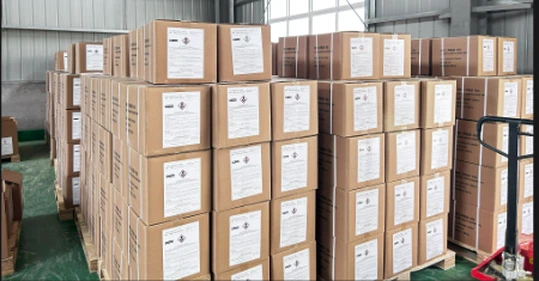
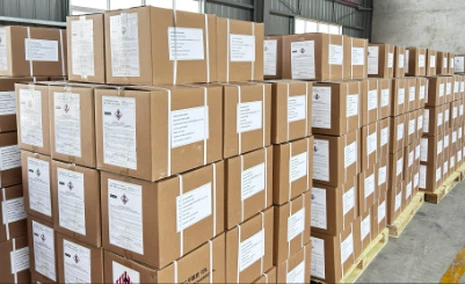
Workshop & Warehouse:


Packaging and storage:
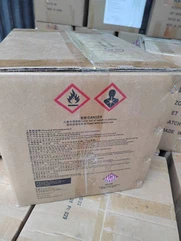
25kg box. Store in a cool, ventilated warehouse, away from heat sources, fire, prevent moisture, and keep away from acid and alkali. Avoid violent impact during transportation.


Ultimate FAQ
Q: What are the common packaging options for Azodicarbonamide?
Q: Is Azodicarbonamide biodegradable?
Q: What safety measures should be taken when handling Azodicarbonamide?
Q: Is Azodicarbonamide approved for use in food products?
Q: What are the safety concerns associated with Azodicarbonamide?
Q: Is Azodicarbonamide a natural or synthetic ingredient?
Q: What industries use Azodicarbonamide as an additive?
Q: What are the chemical properties of Azodicarbonamide?
Q: What is the purity level of Azodicarbonamide typically used in products?
Q: What are the regulations around the use of Azodicarbonamide in different countries?
Q: Do you offer any technical support for Azodicarbonamide?
Q: What is the shelf life of Azodicarbonamide?
Q: How can I obtain a sample of Azodicarbonamide from your company?
Q: Is it possible to substitute Azodicarbonamide with a different ingredient?
Q: Can Azodicarbonamide be recycled or disposed of safely?
Q: Are there any allergenic concerns associated with Azodicarbonamide?
Q: Can Azodicarbonamide be used in organic or natural products?
Q: Is Azodicarbonamide soluble in water?
Q: What is another name for azodicarbonamide?
Q: What would be the expected price range for Azodicarbonamide per kg?
Hot Tags: azodicarbonamide|ac blowing agent|adc foaming agent|123-77-3, China azodicarbonamide|ac blowing agent|adc foaming agent|123-77-3 manufacturers, factory, 8 Bromooctanoic Acid, Glutaraldehyde 50 , 2 Chloronicotinic Acid, 4-Bromobiphenyl, Intermediates, 2-propanol
Blowing Agent
| Product name | Azodicarbonamide|AC blowing agent| masterbatch|123-77-3|AC Foaming agent|ADC blowing agent |
| CAS No. | 123-77-3 |
| EINECS No. | 204-650-8 |
| Appearance and Odor | Yellow powder, non-toxic, odorless, non-flammable |
| Molecular formula | C2H4N4O2 |
| Molecular weight | 116.08 |
| Structure | |
| Decomposition temperature | Around 200°C (392°F) |
| Decomposition heat | 359.9J/g℃ |
| Gases released by decomposition | Mainly nitrogen (65%), carbon monoxide (32%) and a small amount of carbon dioxide (3%) |
| Decomposed solid residues | Mainly biurea , cyanuric acid , and ureazole |
| Relative density | 1.65-1.66/cm3 |
| Solubility | Soluble in alkali, insoluble in alcohol, gasoline, benzene, pyridine and other organic solvents |
| Product synthesis | The raw materials required for the production of Azodicarbonamide blowing agent mainly include caustic soda, urea, chlorine, etc. |
Our Products
Shanghai Exquisite Biochemical Co., Ltd's Blowing Agents mainly include:

1. Blowing Agent for PVC
Foam plastics made of PVC (Polyvinyl chloride) resin include insulating pipes, artificial leather, sandals, foam wallpaper, floor decoration materials, etc.
 2. Blowing Agent for EVA
Foam plastics made of EVA (Ethylene Vinyl Acetate) resin include sports shoes (NIKE, ADIDAS, etc.), sandals, interlayer noise materials, children's toys, fishing gear, other EVA sponges, etc.
 3. Blowing Agent for PE/PP
Foam plastics made from PE (Polyethylene) and PP (Polypropylene) resin are used in products such as car door panels, pipe insulation materials, and mats.
 4. Blowing Agent for rubber
Rubber Blowing Agent for making foam plastics using EPDM (Ethylene Propylene Diene Monomer), NBR (Acrylonitrile-Butadiene Rubber), CR (Chloroprene Rubber) rubber, used in EPDM weather stripping, wire sheathing, EPDM insulation materials, diving service, Rubber Sponge (EPDM, CR, SBR), etc.
Section 1: IDENTIFICATION OF THE SUBSTANCE/MIXTURE AND OF THE COMPANY/UNDERTAKING
1.1. Product identification:
Product Description: Butylated Hydroxytoluene crystal
Synonyms: 2,6-di-tert-butyl-4-hydroxytoluene; Butylated Hydroxy Toluene
CAS-No: 128-37-0
EC-No.: 204-881-4

Molecular Formula: C₁₅H₂₄O
REACH Registration No: Not Applicable
1.2. Relevant identified uses of the substance or mixture and uses advised against: Details of the supplier of the safety data sheet:
1.3. ●Company
Shanghai Exquisite Biochemical Co.,Ltd
Room 401-2, Building 1,No 508, Chuanhong Road, Pudong New Area, Shanghai, china
E-mail Address: info@globalchemmall.com
1.4. Emergency telephone number:
- For Emergency contact on: +86-571-87256576
SECTION 2: HAZARDS IDENTIFICATION
2.1 Classification of the substance or mixture:
CLP Classification - Regulation (EC) No 204-881-4
2.2 Label Elements:
Labeling according to Regulation (EC) No 1272/2008 (CLP)
Signal Word: Warning Pictogram

●Hazard Statements: H 400
Very toxic to aquatic life.
●H 410
Very toxic to aquatic life with long lasting effects.
●Precautionary Statements- Prevention
P 273
Avoid release to environment
2.3 Other Hazards: Not known
SECTION 3: COMPOSITION/INFORMATION ON INGREDIENTS
3.1 Substances: Butylated Hydroxytoluene
3.2 Mixtures:
|
Component |
CAS-No |
EC-No. |
Weight % |
|
Butylated Hydroxytoluene |
128-37-0 |
204-881-4 |
100% |
SECTION 4: FIRST AID MEASURES
4.1 Description of first aid measures:
● General Advice: Take off contaminated clothing.
● Eye Contact: Irrigate copiously with clean, fresh water for at least 10 minutes, holding the eyelids apart. In case of eye irritation consult an ophthalmologist.
● Skin Contact: Immediately wash skin with soap and plenty of water for at least 20 minutes. Remove contaminated clothing. Get medical attention if symptoms occur. Wash clothing before reuse.
● Ingestion: Wash out mouth with water provided person is conscious. Never give anything by mouth to an unconscious person. Get medical attention. Do NOT induce vomiting unless directed to do so by medical personnel.
● Inhalation: Remove to fresh air. If not breathing, give artificial respiration or give oxygen by trained personnel. Get immediate medical attention.
4.2 Most important symptoms and effects, both acute and delayed:Irritation
4.3 Indication of any immediate medical attention and special treatment needed: No further relevant information available.
SECTION 5: FIREFIGHTING MEASURES
5.1 Extinguishing media:
Suitable Extinguishing Media-Co-ordinate fire-fighting measures to the fire surroundings water spray, foam, dry extinguishing powder, carbon dioxide (CO2)
Unsuitable Extinguishing Media- Water Jet
5.2 Special hazards arising from the substance or mixture:
Combustible, Vapours are heavier than air, spread along floors and form explosive mixtures with air.
Hazardous combustion products
In case of fire may be liberated: carbon monoxide (CO), carbon dioxide (CO2)
5.3 Advice for firefighters:
Fight fire with normal precautions from a reasonable distance. Wear self-contained breathing apparatus.
SECTION 6: ACCIDENTAL RELEASE MEASURES
6.1 Personal precautions, protective equipment and emergency procedures:
Wearing of suitable protective equipment (including personal protective equipment referred to under Section 8 of the safety data sheet) to prevent any contamination of skin, eyes and personal clothing. Do not breathe dust. Avoid contact with skin, eyes and clothes.
6.2 Environmental precautions:
Keep away from drains, surface and ground water.
6.3 Methods and material for containment and cleaning up:
Advices on how to contain a spill - Covering of drains
Advices on how to clean up a spill - Take up mechanically. Control of dust
Other information relating to spills and releases - Place in appropriate containers for disposal
6.4 Reference to other sections:
Hazardous combustion products: see section 5. Personal protective equipment: see section 8.
Incompatible materials: see section 10. Disposal considerations: see section 13.
SECTION 7: HANDLING AND STORAGE
7.1 Precautions for safe handling: Provision of sufficient ventilation
Measures to prevent fire as well as aerosol and dust generation - Removal of dust deposits
Advice on general occupational hygiene - Wash hands before breaks and after work. Keep away from food, drink and animal feeding stuffs.
7.2 Conditions for safe storage, including any incompatibilities:
Store in Dry Space
Incompatible substances or mixtures - Observe hints for combined storage.
Consideration of other advice
Ventilation requirements - Use local and general ventilation.
Specific designs for storage rooms or vessels - Recommended storage temperature: 15 - 25 °C.
7.3 Specific end use(s): No further relevant information available.
SECTION 8: EXPOSURE CONTROLS/PERSONAL PROTECTION
8.1 Control Parameters:
|
CAS # |
Chemical Name |
Jurisdiction |
Recommended Exposure Limits |
|
128-37-0 |
Butylated Hydroxytoluene |
ACGIH TLV |
TLV: 2 mg/m3 (Inhalation) |
|
France VL |
TWA: 10 mg/m3 |
||
|
Britain EH40 |
TWA: 10 mg/m3 |
8.2. Exposure controls:
Engineering Controls: Use process enclosures, local exhaust ventilation, or other engineering controls to control airborne levels below recommended exposure limits.
Personal Protective Equipment:
Eye Protection- Safety Glasses
Hand Protection- Compatible chemical-resistant gloves
Skin and body protection - Long sleeved clothing, Lab Coat
Respiratory Protection- NIOSH approved respirator, as conditions warrant
Work/Hygienic/Maintenance Practices - Do not take internally.
Facilities storing or utilizing this material should be equipped with an eye wash and a safety shower. Wash thoroughly after handling.
Environmental Exposure Controls – Keep away from drains, surface and ground water.
SECTION 9: PHYSICAL AND CHEMICAL PROPERTIES
9.1 Information on basic physical and chemical properties:
Physical state and appearance: Solid (Crystals solid or Powdered solid)
Odour: Odourless
Molecular Weight: 220.40 g/mole
Color: Colourless
pH (1% soln/water): Not Available
Boiling Point: Decomposition Temperature: 265 °C
Melting Point: Decomposition Temperature: 67-71 °C
Flash Point: Not Available
Specific Gravity: Not Available
Vapor Pressure: 0.011 hPa at 20 °C
Density: 1.03 g/cm³ at 20 °C
Vapor Density: 7.61 (air = 1)
Bulk Density: 450 kg/m³
Volatility: Not available
Odour Threshold: Not Available
Water/Oil Dist. Coeff.: Not Available
Ionicity (in Water): Not available
Dispersion Properties: See solubility in water.
Water Solubility: 0.76 mg/l at 20 °C
n-octanol/water (log KOW): 5.1 (ECHA)
Soil organic carbon/water (log KOC): 4.363 (ECHA)
Auto-ignition Temperature: 345 °C
9.2 Other Information: Molecular Formula: C₁₅H₂₄O
Molecular Weight: 220.40 g/mol
SECTION 10: STABILITY AND REACTIVITY
10.1 Reactivity:
The product in the delivered form is not dust explosion capable; the enrichment of fine dust however leads to the danger of dust explosion.
10.2 Chemical Stability:
The material is stable under normal ambient and anticipated storage and handling conditions of temperature and pressure.
10.3 Possibility of hazardous reactions:
Violent Reaction with: Alkalis, Bases, Oxidisers, Peroxides, Acid chlorides, inorganic, Sulphuric acid and Strong acid
10.4 Conditions to avoid:
Direct light irradiation
10.5 Incompatible Materials:
Acid anhydrides, Acid chlorides, Bases, Brass, Copper/copper compounds, Oxidizing agents
10.6 Hazardous Decomposition Products:
Carbon Dioxide & Carbon Monoxide
SECTION 11: TOXICOLOGICAL INFORMATION
11.1 Information on toxicological effects:
Toxicology data for the components:
|
LD50 Oral |
LD50 Dermal |
|
>2930 mg/kg |
>2000 mg/kg |
Skin corrosion/irritation
Shall not be classified as corrosive/irritant to skin
Serious eye damage/eye irritation
Causes serious eye irritation
Respiratory or skin sensitization
Shall not be classified as a respiratory or skin sensitizer
Reproductive Toxicity:
Suspected of damaging fertility or the unborn child
Specific target organ toxicity - single exposure
Causes damage to organs
Specific target organ toxicity - repeated exposure
May cause damage to organs through prolonged or repeated exposure
Aspiration hazard
Shall not be classified as presenting an aspiration hazard
SECTION 12: ECOLOGICAL INFORMATION
12.1 Toxicity:
Avoid release into the environment - toxic to aquatic organisms, may cause long-term adverse effects in the aquatic environment.
Runoff from fire control or dilution water may cause pollution.
12.2 Persistence and degradability Persistence: Theoretical Oxygen Demand: 2.977 mg/mg
Theoretical Carbon Dioxide: 2.996 mg/mg
12.3 Bio accumulative potential: The substance fulfils the very bioaccumulative criterion n-octanol/water (log KOW): 5.1
BCF: 598.4
12.4 Mobility in soil:
Henry's law constant: 0.418 Pa m³/mol at 25 °C
The Organic Carbon normalized adsorption coefficient: 4.363
12.5 Results of PBT and vPvB assessment: No data available
12.6 Other adverse effects:
No data available
SECTION 13: DISPOSAL CONSIDERATIONS
13.1 Waste Treatment Methods:
This material and its container must be disposed of as hazardous waste. Dispose of contents/container in accordance with local/regional/national/international regulations.
● Sewage disposal-relevant information: Do not empty into drains.
● Waste treatment of containers/packaging: It is a dangerous waste; only packaging which are approved (e.g. acc. to ADR) may be used.
13.2Relevant provisions relating to waste
The allocation of waste identity numbers/waste descriptions must be carried out according to the EEC, specific to the industry and process.
13.3Remarks
Waste shall be separated into the categories that can be handled separately by the local or national waste management facilities. Please consider the relevant national or regional provisions.
SECTION 14: TRANSPORT INFORMATION
|
|
Land transport (ADR/RID) |
Air transport (IATA) |
Sea transport (IMDG) |
|
14.1 UN number |
UN 3077 |
UN 3077 |
UN 3077 |
|
14.2 Proper shipping name |
ENVIRONMENTALLY HAZARDOUS SUBSTANCE, SOLID, N.O.S. (2,6-di-tert-Butylp-cresol) |
||
|
14.3 Class |
9 |
9 |
9 |
|
14.4 Packing group |
III |
III |
III |
|
14.5 Environmentally hazardous |
yes |
||
|
14.6 Special precautions for user |
Not available. |
||
|
14.7 Transport in bulk according to Annex II of MARPOL 73/78 and the IBC Code Not Relevant |
|||
SECTION 15: REGULATORY INFORMATION
● Federal and State Regulations: TSCA inventory: listed
● Other Regulations:- OSHA: Hazardous by definition of Hazard Communication Standard (29 CFR 1910.1200) Personal protective equipment:
- Eye Protection- Safety glasses with side-shields Goggles
- Hand Protection- Protective gloves
- Skin and body protection - Long sleeved clothing - HMIS (U.S.A.):
Health Hazard:2
Fire Hazard: 1
Reactivity: 0
- National Fire Protection Association (U.S.A.):
Health: 1
Flammability: 1
Reactivity: 0
SECTION 16: OTHER INFORMATION
This information is based on our present knowledge. However, this shall not constitute a guarantee for any specific product features and shall not establish a legally valid contractual relationship.
• Legend:
CAS - Chemical Abstracts Service , TSCA - United States Toxic Substances Control Act Section 8(b) Inventory ,
EINECS/ELINCS - European Inventory of Existing Commercial Chemical Substances/EU List of Notified
Chemical Substances, RPE - Respiratory Protective Equipment, LD50 - Lethal Dose 50%, LC50 - Lethal Concentration 50%, EC50 - Effective Concentration 50%, Water, PBT - Persistent, Bio accumulative, Toxic, vPvB - very Persistent, very Bio accumulative, ADR - European Agreement Concerning the International Carriage of Dangerous Goods by Road, ICAO/IATA - International Civil Aviation Organization/International Air Transport Association, OECD - Organization for Economic Co-operation and Development, ATE - Acute
Toxicity Estimate,
References: Not available
Created: 28/07/2021 Updated On: 17/09/2021
• Disclaimer:
The information above is believed to be accurate and represents the best information currently available to us. However, we make no warranty of merchantability or any other warranty, express or implied, with respect to such information, and we assume no liability resulting from its use. Users should make their own investigations to determine the suitability of the information for their particular purposes. In no event shall Finar Limited be liable for any claims, losses, or damages of any third party or for lost profits or any special, indirect, incidental, consequential or exemplary damages, howsoever arising, even if Finar Limited has been advised of the possibility of such damages.