

Aminos
Why Choose Us
Rich Experience
Founded in 2009, Shanghai Exquisite is a company specializing in the production and supply of APIs and chemicals.
Professional Technique
Shanghai Exquisite cooperates with Tianjin University and Shanghai Institute of Organic Chemistry to focus on the research and development of health care products.
Quality Guaranteed
Our products have passed ISO 9001, HACCP, FSSC22000, SC and CFDA, Korean FDA, EU GMP and other quality management system certifications, as well as KOSHER and HALAL certifications.
Global Sales
Our products have been exported to Europe, the United States, India, South Asia, Southeast Asia and other regions, and have been recognized and highly praised by the market and customers.


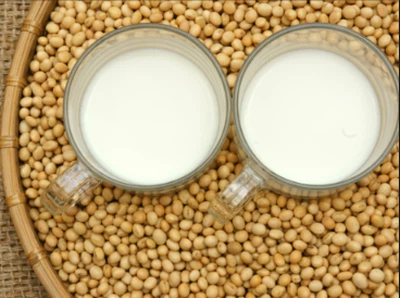
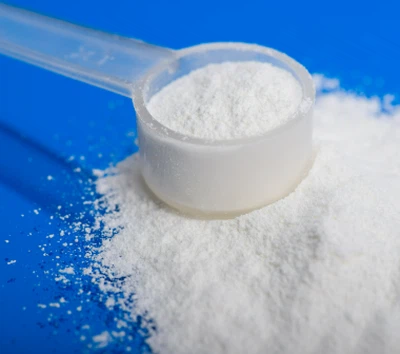
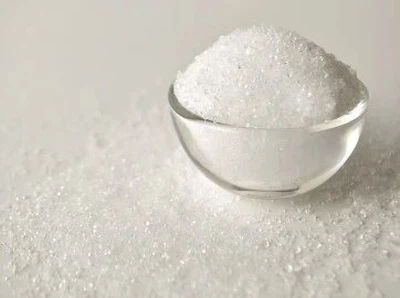
Definition of Aminos
Amino acids are organic compounds that contain both amino and carboxylic acid functional groups. Although over 500 amino acids exist in nature, by far the most important are the 22 α-amino acids incorporated into proteins. Only these 22 appear in the genetic code of all life.
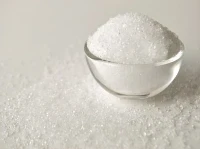
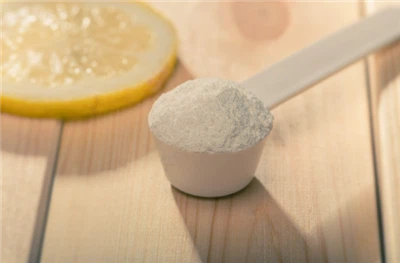
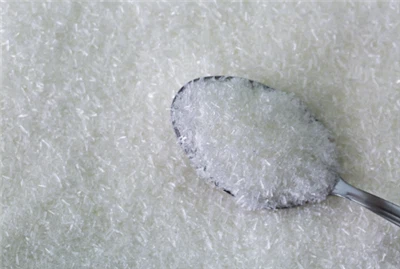
Amino acids are colorless, crystalline substance.
Most amino acids are tasteless but some are sweet. (E.g. Glycine, Alanine) and some are bitter (Eg. Arginine)
Amino acids have high melting point (200-300)oC due to ionic property.
Solubility:
- Solubility of amino acids depends upon polarity, iso-electric point, nature of solvent (pH) and temperature.
- Amino acids are soluble in water and ethanol (i.e. polar solvent) and insoluble in non-polar solvent like benzene, ether etc.
- Amino acids are insoluble at iso-electric point.
- Solubility depends upon pH of solvent and temperature.
- Eg. Tyrosine is soluble in hot water.

What Is the Structure of an Amino Acid?
An amino acid is an organic chemical. Organic chemicals contain carbon-hydrogen bonds. All amino acids have the same basic structure. Each molecule has a central carbon atom linked together with a basic amino group, a carboxylic acid group, a hydrogen atom and an R-group, or side-chain group. The R-group is what sets the amino acids apart. The R-group determines each amino acid’s chemical nature. The chemical nature controls how it’ll interact with other amino acids and its environment.
The amino acids link together with peptide bonds and become proteins. Then, the forces of other amino acids and the effects of their R-groups fold the protein into specific three-dimensional shapes.
The Different Types of Amino Acids
Essential Amino Acids
Amino acids are called “essential” or “indispensable” when they come from complete proteins such as those contained in milk protein (whey, isolate, casein, hydrolyzate). As their names indicate, they are essential to the well-being of the body but cannot be synthesized naturally, or at insufficient speed. Essential amino acids must then be provided through food or supplements. There are around ten, and the main ones are BCAAs (Leucine, Isoleucine, Valine).
Semi-Essential Amino Acids
Amino acids are said to be “semi-essential” when they can be synthesized by the body, under certain conditions. They can also be provided through food in certain cases, particularly in newborns. Arginine, Glutamine or Citrulline are, for example, semi-essential amino acids.
Non-Essential Amino Acids
Unlike essential amino acids, they do not depend on an exogenous supply since the body knows how to produce them itself. Alanine, Glycine or Carnitine are non-essential amino acids.
Functions of Amino Acids
Phenylalanine: Your body turns this amino acid into the neurotransmitters tyrosine, dopamine, epinephrine, and norepinephrine. It plays an integral role in the structure and function of proteins and enzymes and the production of other amino acids.
Valine: This is one of three branched-chain amino acids (BCAAs) on this list. That means it has a chain branching off from one side of its molecular structure. Valine helps stimulate muscle growth and regeneration and is involved in energy production.
Threonine: This is a principal part of structural proteins such as collagen and elastin, which are important components of your skin and connective tissue. It also plays a role in fat metabolism and immune function.
Tryptophan: Often associated with drowsiness, tryptophan is a precursor to serotonin, a neurotransmitter that regulates your appetite, sleep, and mood.
Methionine: This amino acid plays an important role in metabolism and detoxification. It’s also necessary for tissue growth and the absorption of zinc and selenium, minerals that are vital to your health.
Leucine: Like valine, leucine is a BCAA that is critical for protein synthesis and muscle repair. It also helps regulate blood sugar levels, stimulates wound healing, and produces growth hormones.
Isoleucine: The last of the three BCAAs, isoleucine is involved in muscle metabolism and is heavily concentrated in muscle tissue. It’s also important for immune function, hemoglobin production, and energy regulation.
Lysine: Lysine plays major roles in protein synthesis, calcium absorption, and the production of hormones and enzymes. It’s also important for energy production, immune function, and collagen and elastin production.
Histidine: Your body uses this amino acid to produce histamine, a neurotransmitter that is vital to immune response, digestion, sexual function, and sleep-wake cycles. It’s critical for maintaining the myelin sheath, a protective barrier that surrounds your nerve cells.
Health Benefits of Amino Acids

Provides Energy to the Body
Isoleucine and valine, in particular, are good sources of energy to fuel the body.
Enhancing the Musculoskeletal System
Isoleucine and valine support healthy muscle function, while leucine works to repair muscle. Lysine promotes the absorption of calcium required for bone growth. These amino acids are good for healthy, toned muscles and strong bones. Isoleucine and valine are common ingredients in workout supplements because they target muscles and increase energy.
Digestive Regulation
Your body produces histamine which helps your digestive system to function properly. You need histidine to help make histamine.
Implement a Healthy Sleep / Wake Cycle
Irregular sleep habits can affect your overall health due to problems like insomnia, sleep apnea and stress. Histidine and tryptophan help you maintain a normal circadian rhythm for a good night's sleep.
Immune System Support
Want to keep the cold and flu away? Histidine, lysine and thrombin help boost immunity so that your body can better fight the virus.
Neurotransmitter Production
These chemicals control the way the nervous system interacts with the body, from hunger to mood. Phenylalanine not only makes some neurotransmitters but also other types of amino acids.
Stimulates Healthy Skin, Nails and Hair Growth
Collagen and elastin keep your complexion soft and supple. These two proteins also promote hair and nail growth. Lysine helps in collagen production, while thrombin helps in collagen and elastin production.
Hormone Production
Amino acids like lysine are useful for maintaining healthy hormone levels. Examples of amino acid hormones include epinephrine and norepinephrine, which monitor the body's stress response, and thyroxine, which plays a role in metabolism.
Maintaining a Healthy Weight
Methionine regulates your metabolic rate and can also help in detoxification, thrombin is important for fat metabolism.
Balancing Your Mood
Tryptophan starts the production of serotonin, a hormone needed to be happy and adjusted properly.

Amino acids come from food, including plant-based foods, like beans and nuts, and animal-based foods, like eggs and fish. Some foods provide more total protein (and therefore more amino acids) than others per serving. In addition, the specific amino acid makeup of foods varies, but amino acids are found in every food group you eat.
Natural Source of Aminos:
- Milk
- Eggs
- Chicken
- Beef
- Pork
- Salmon
- Tuna
- Cod
- Soya beans
- Quinoa
Active Pharmaceutical Ingredients (APIs)
There are pharmaceutical products that make use of amino acids themselves, and products that are synthesized and manufactured using amino acids as starting materials. Amino Acids are also used in infusion solutions, in addition to tablet and granulated forms, and are an essential part of modern medical treatments.
Medical Foods / Medical Nutrition
Amino Acids are used as a way to provide a concentrated, specific and efficient intake of required nutrient components in medical foods for malnourished patients, elderly people with lower digestive capabilities, as well as in other uses.
Dietary Supplement / Health Foods / Functional Foods & Beverages
Amino Acids are used for compensating amino acid deficiencies, as well as in supplements that make use of the specific function of amino acids. Products are sold in tablet, granular and capsule forms. These products were once mostly used by athletes, but they are now popular among the wider public for everyday workout and health maintenance. There are also functional food and beverage products that contain amino acids for functions similar to those found in health foods.
Cosmetics
Amino Acids are used in cosmetics for their unique moisturizing effect and pH levels. Amino acid derivatives are also used for their stability and absorbency.
Culture Medium
Recently, pharmaceutical products research and manufacture using cell culture process have become very popular. Amino Acids are essential components of cell culture medium. Amino Acids are considered to be indispensable to cell growth and production of antibodies and proteins.
Fermentation: In amino acid fermentation, amino acids are made by fermenting ingredients with microorganisms (like probiotic bacteria). These microorganisms turn the ingredients into food and other substances that are needed by the microorganisms. In fermentation ingredients such as molasses are added to a medium that cultivates microorganisms. This helps the microorganisms multiply and make amino acids.
Enzymatic Reaction: In the enzymatic reaction process, one or two types of enzymes are used to turn an amino acid precursor into the right amino acid. In this method there is no need to multiply microorganisms by converting the specific amino acid, and there is no long process starting from glucose.
Extraction: Amino acids can be produced by breaking down proteins, known as the extraction method. However, the amount of amino acids in the source protein limits the amount of amino acids made. Extraction is not good for making mass quantities of specific amino acids.
Synthesis: Synthesis uses chemical reactions to make amino acids, and was widely used in the early development of ways to make amino acids. The problem with synthesis is that chemical reactions make equal amounts of L- and D-amino acids. As a result, the D-amino acids that are made must then be made into L-amino acids.

Handling and Storage
Precautions for Safe Handling:
- Avoid inhaling dust.
- Avoid contact with eyes, skin and clothing.
- If dusting occurs use approved respirator to eliminate exposure.
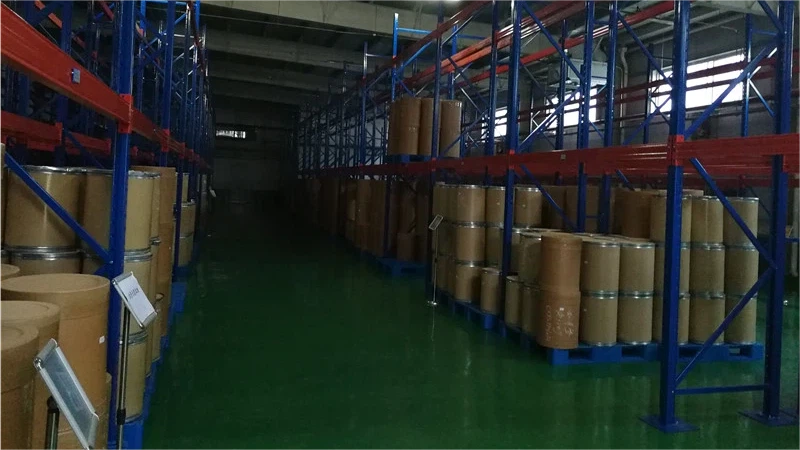
Storage Conditions: The storage area should be cool and dry, out of direct sunlight.
Certifications
Our products have passed ISO 9001, HACCP, FSSC22000, SC and CFDA, Korean FDA, EU GMP and other quality management system certifications.


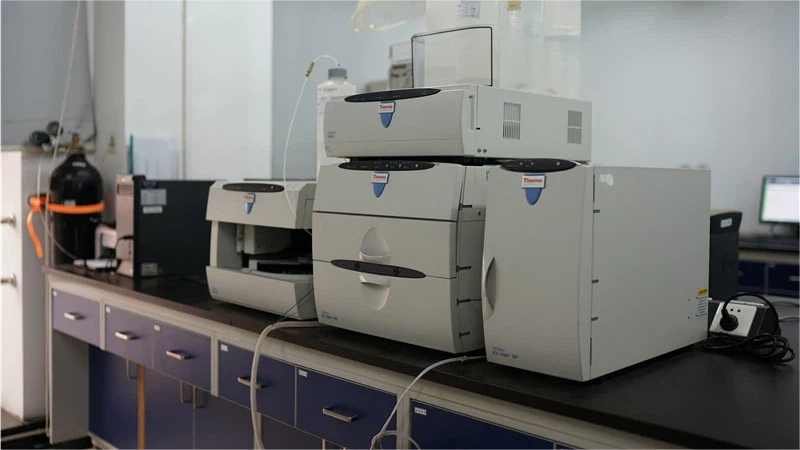
Our Factory
Shanghai Exquisite Biochemical Co., Ltd. established in 2009, we are specializing in production and supply API and chemicals.


Frequently Asked Questions
Q: What is the point of aminos?
Q: Are aminos the same as soy sauce?
Q: Are liquid aminos actually healthy?
Q: What are aminos made of?
Q: Is it safe to take amino acids everyday?
Q: Are aminos healthier than soy sauce?
Q: Who should not use liquid aminos?
Q: Do aminos help you lose weight?
Q: Do aminos hydrate you?
Q: Do aminos spike insulin?
Q: What food has the most aminos?
Fish. Fish of all types contain so many of your essential micronutrients and the essential amino acids.
Dairy.
Legumes & Beans.
Nuts and Seeds.
Q: Are aminos better than creatine?
Q: Which is better coconut aminos or soy aminos?
Q: Are aminos bad for kidneys?
Q: What happens if you have too much aminos?
Q: Do aminos give you energy?
Q: Do aminos help you sleep?
Q: Do aminos help hangovers?
Q: Do aminos help muscle recovery?
Q: Which aminos build muscle?
Shanghai Exquisite Biochemical Co., Ltd. is one of the most professional aminos manufacturers and suppliers in China, featured by good service and punctual delivery. Please rest assured to buy high quality aminos at competitive price from our factory.