

Nutritions
Why Choose Us
Rich Experience
Founded in 2009, Shanghai Exquisite is a company specializing in the production and supply of APIs and chemicals.
Professional Technique
Shanghai Exquisite cooperates with Tianjin University and Shanghai Institute of Organic Chemistry to focus on the research and development of health care products.
Quality Guaranteed
Our products have passed ISO 9001, HACCP, FSSC22000, SC and CFDA, Korean FDA, EU GMP and other quality management system certifications, as well as KOSHER and HALAL certifications.
Global Sales
Our products have been exported to Europe, the United States, India, South Asia, Southeast Asia and other regions, and have been recognized and highly praised by the market and customers.






What Is Nutrition?
Nutrition is the biochemical and physiological process by which an organism uses food to support its life. It provides organisms with nutrients, which can be metabolized to create energy and chemical structures. Failure to obtain sufficient nutrients causes malnutrition.
Nutrients are chemical substances found in every living thing on Earth. They are necessary to the lives of people, plants, animals, and all other organisms. Nutrients help break down food to give organisms energy. They are used in every process of an organism’s body. Some of the processes are growth (building cells), repair (healing a wound), and maintaining life (breathing).
How Many Types of Nutrients Are There?
Carbohydrates
Carbohydrates are a major source of energy of our body, and they come mainly from grains, such as rice and noodles. Besides, other foods such as fruit, root vegetables, dry beans and dairy products also contain carbohydrates.
Proteins
Meat, fish, seafood, eggs, dairy products, dry beans and bean products are good sources of protein. Its major functions include building, repairing and maintaining healthy body tissues.
Fats
Fats can be found in foods such as meat, dairy products, nuts, seeds and edible oils. Fats serve as a kind of energy source. They prevent heat loss in extreme cold weather and protect organs against shock. They are responsible for making up part of our body cells and transporting fat-soluble vitamins such as vitamin A, D, E and K.
Vitamins
There are many kinds of vitamins from various food groups and they participate in different body metabolism such as maintaining healthy skin and hair, building bones and releasing and utilizing energy from foods. Vitamins can be classified into water-soluble and fat-soluble vitamins.
Minerals
Minerals are a group of essential nutrients which regulate many body functions such as fluid balance, muscle contraction and transmission of nerve impulses. Some minerals are structural component of the body, such as calcium in bones and teeth.
Dietary fibre
Dietary fibre is the indigestible part found in plant. It helps stablise blood sugar, promote gastrointestinal health and prevent constipation. Dietary fibre can be classified into soluble and insoluble fibre.
Water
Water is the most abundant substance in human body and is also an essential nutrient to maintain our health. The major functions of water include regulation of body temperature, production of body fluids, transportation of nutrients and removal of waste products.
Proteins
Muscle Building: Proteins are like the builders of your muscles. Whether you’re an athlete or want to stay strong, proteins are crucial for growing and maintaining muscles.
Tissue Repair: Think of proteins as your body’s repair team. When things wear out or get damaged, proteins fix and rebuild. They’re key players in fixing tissues and keeping your body strong.
Overall Body Function: Proteins are involved in almost everything your body does. They work as helpers in biochemical reactions and support your immune system. They’re like behind-the-scenes workers, ensuring everything in your body functions well.
Vitamins
Immune Support: Specific vitamins, like C and D, help your immune system stay strong against infections.
Vision Boost: Vitamin A is crucial for supporting your vision, especially in low-light conditions.
Cell Repair and Growth: B vitamins are essential for repairing and growing cells, enabling your body to renew and mend damaged tissues.
Minerals
Building Strong Bones: Calcium is like the backbone behind sturdy bones and teeth. Foods like dairy, leafy greens, and fortified options are great sources to keep your calcium levels in check.
Nurturing Nerves: For smooth nerve function, you need minerals like potassium. Foods such as bananas, oranges, and potatoes are simple, tasty ways to get your potassium fix and keep your nerves in top form.
Fluid Balance: Maintaining the proper fluid balance is vital for overall well-being. Sodium and potassium work together to regulate fluids. Fruits, veggies, and whole grains are your go-to pals for keeping this balance intact.
Iron Boost for Energy: Iron is your go-to for an energy boost, carrying oxygen in your blood. Lean meats, beans, and spinach are your allies in maintaining healthy iron levels.
What is Coenzyme Q10?
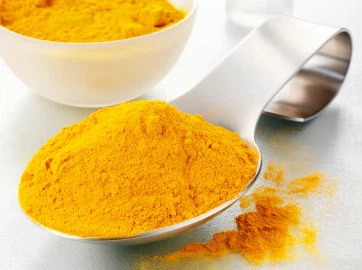
Coenzyme Q10 (CoQ10) is an antioxidant that your body produces naturally. Your cells use CoQ10 for growth and maintenance. Levels of CoQ10 in your body decrease as you age. CoQ10 levels have also been found to be lower in people with certain conditions, such as heart disease, and in those who take cholesterol-lowering drugs called statins.
CoQ10 is found in meat, fish and nuts. The amount of CoQ10 found in these dietary sources, however, isn't enough to significantly increase CoQ10 levels in your body.
It May Help Treat Heart Failure
CoQ10 may help decrease oxidative stress and enhance heart function, which could be beneficial for improving treatment outcomes in people with heart failure.
It Could Help with Fertility
CoQ10 may help prevent oxidative damage, which could help promote both female and male fertility.
It Might Help Support Healthy Skin Aging
When applied topically, CoQ10 may protect against damage to the skin, which may help support healthy skin aging.
It Could Reduce Headaches
Research shows that CoQ10 supplementation may be effective at reducing the frequency, duration, and severity of migraine headaches.
It Could Help with Exercise Performance
CoQ10 may help improve exercise performance by supporting mitochondrial function, decreasing oxidative stress, and reducing fatigue.
It May Help with Diabetes
CoQ10 could help promote blood sugar control and prevent insulin resistance. It may also decrease oxidative stress and certain risk factors for heart disease in people with diabetes.
It Might Play a Role in Cancer Prevention
CoQ10 could reduce oxidative stress, which may be involved in cancer development. Though more research is needed, some studies also show that low levels of CoQ10 could be linked to an increased risk of certain types of cancer.
It May be Good for the Brain
CoQ10 can protect against oxidative damage in the brain, which could potentially protect against cognitive decline. However, more studies in humans are needed.
It Could Protect the Lungs
CoQ10 could reduce oxidative damage in the lungs, which may benefit respiratory conditions like asthma or COPD.
- Organ meats: Kidney, liver
- Fatty fish: Sardines, salmon, trout, mackerel
- Meats: Chicken, beef, pork
- Vegetables: Spinach, broccoli, cauliflower
- Fruits: Strawberries, oranges
- Oils: Soybean and canola oils
- Legumes: Soybeans, lentils, peanuts
- Nuts and seeds: Pistachio, sesame seeds
- Whole grains
When Taken by Mouth: Coenzyme Q10 is LIKELY SAFE for most adults. While most people tolerate coenzyme Q10 well, it can cause some mild side effects including stomach upset, loss of appetite, nausea, vomiting, and diarrhea. It can cause allergic skin rashes in some people. It also might lower blood pressure, so check your blood pressure carefully if you have very low blood pressure. Dividing the total daily dose by taking smaller amounts two or three times daily instead of a large amount all at once can help reduce side effects.
When Applied to the Skin: Coenzyme Q10 is LIKELY SAFE for most adults when applied directly to the gums.
Pregnancy and Breast-Feeding: Coenzyme Q10 is POSSIBLY SAFE when taken by mouth appropriately during pregnancy. Coenzyme Q10 has been used safely when taken twice daily starting at 20 weeks until delivery. Not enough is known about the use of coenzyme Q10 during breast-feeding. Stay on the safe side and avoid use.
Children: Coenzyme Q10 is POSSIBLY SAFE for children when taken by mouth. However, coenzyme Q10 should not be used in children without medical supervision.

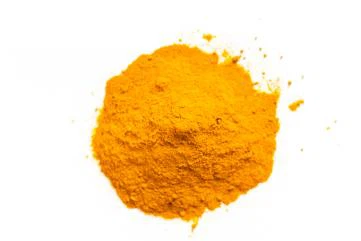
Definition of Turmeric Extract / Curcumin
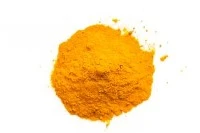
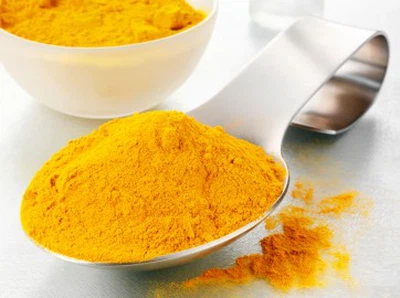
Turmeric extract powder (Curcumin) is produced from the root of turmeric, biologically called curcuma longa. It is orange yellow crystal powder with bitter taste.
Curcumin is a bright yellow chemical produced by plants of the Curcuma longa species. It is the principal curcuminoid of turmeric (Curcuma longa), a member of the ginger family, Zingiberaceae. It is sold as a herbal supplement, cosmetics ingredient, food flavoring, and food coloring.
- Turmeric contains bioactive compounds with medicinal properties.
- Curcumin is a natural anti-inflammatory compound.
- Turmeric can increase the antioxidant capacity of the body.
- Curcumin can boost brain-derived neurotrophic factor.
- Curcumin may lower your risk of heart disease.
- Turmeric may help prevent cancer.
- Curcumin may be useful in treating Alzheimer’s disease.
- Arthritis patients respond well to curcumin supplements.
- Curcumin has benefits against depression.
- Curcumin may help delay aging and fight age-related chronic diseases.


Dosages of Turmeric Should Be Given As Follows:
Adult and Pediatric Dosage Forms & Strengths: Extract standardized to 95% curcumin
Indigestion (Dyspepsia)
500 mg taken orally four times a day
200mg/mL (Depo-Turmeric)
Colorectal Cancer
Curcumin extract: 440 to 2200 mg (containing curcumin 36 to 180 mg) once daily for no more than 4 months
Special Precautions and Warnings
When Applied to the Skin: Turmeric is likely safe. It is possibly safe when turmeric is applied inside the mouth as a mouthwash.
When Applied into the Rectum: Turmeric is possibly safe when used as an enema.
Gallbladder Problems: Turmeric can make gallbladder problems worse. Do not use turmeric if you have gallstones or a bile duct obstruction.
Bleeding Problems: Taking turmeric might slow blood clotting. This might increase the risk of bruising and bleeding in people with bleeding disorders.
What is Melatonin?
Melatonin is a hormone made in the body. It regulates night and day cycles or sleep-wake cycles. Melatonin in supplements is usually made in a lab.
Darkness triggers the body to make more melatonin, which signals the body to sleep. Light decreases melatonin production and signals the body to be awake. Some people who have trouble sleeping have low levels of melatonin. It's thought that adding melatonin from supplements might help them sleep.
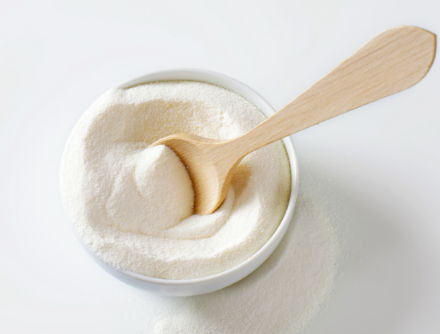
Jet Lag
With jet lag, you may not feel well overall and you may have disturbed sleep, daytime tiredness, impaired functioning, and digestive problems. Research suggests that melatonin supplements may help with jet lag.
Delayed Sleep-wake Phase Disorder (DSWPD)
People with DSWPD have trouble falling asleep at the usual times and waking up in the morning. Melatonin supplements appear to help with sleep in people with DSWPD, but it’s uncertain whether the benefits outweigh the possible harms.
Some Sleep Disorders in Children
Children with certain conditions, such as atopic dermatitis, asthma, attention-deficit hyperactivity disorder (ADHD), or autism spectrum disorder (ASD), are more prone to sleep problems than other children.
Anxiety Before and After Surgery
Anxiety before and after surgery happens in up to 80 percent of patients. Melatonin supplements appear to be helpful in reducing anxiety before surgery, but it’s unclear if it helps to lower anxiety after surgery.
When to Take Melatonin
For Trouble Falling Asleep: Take melatonin 30 minutes before bedtime.
For Night Owls: People with delayed sleep phase syndrome may want to take melatonin several hours before the desired bedtime. For example, if you naturally fall asleep at 2 a.m., but you desire to go to bed at 11 p.m., you may consider taking it as early as 9 p.m.
For Early Brds: If you have symptoms of advanced sleep phase syndrome, where you wake up several hours too early, try taking it in the morning upon awakening.
Side Effects of Melatonin
Melatonin may have short-term side effects, including:
- Dizziness
- Headache
- Nausea
- Sleepiness
- In children, melatonin supplements may also cause agitation and increased bedwetting or urination in the evening.


What is Vitamin K2?
Vitamin K was discovered in 1929 as an essential nutrient for blood coagulation, which is the scientific term for blood clotting.
There are two main forms of vitamin K:
- Vitamin K1 (phylloquinone): found in plant foods like leafy greens.
- Vitamin K2 (menaquinone): found in animal foods and fermented foods, also produced by gut bacteria (2Trusted Source, 3Trusted Source).
- Vitamin K2 can be further divided into several different subtypes. The most important ones are MK-4 and MK-7.
Aids in Blood Clotting
One of the main functions of K vitamins is to allow your blood to clot. The ability for your blood to clot is what keeps you from bleeding out after an injury. Blood that’s too thin can make you bruise more easily and even leave you at risk for dangerous internal bleeding. Vitamin K can help keep your blood not too thick and not too thin.
Builds Healthy Bones
Vitamin K helps activate a protein called osteocalcin, which binds to calcium to build bones. That makes vitamin K an essential component of bone health. Some early studies are showing that vitamin K2 supplements may reduce fractures and improve bone quality in people with osteoporosis.
Improves Heart Health
In addition to its positive effects on blood clotting and strong bones, vitamin K helps keeps your heart healthy. That’s because of the way it acts to clear out calcium from your blood vessels. When calcium builds up in your body, it can lead to hardening (or calcification) of your tissues, organs and blood vessels. Calcium deposits in your arteries can lead to high blood pressure, kidney disease and more. Some early research has shown that vitamin K2 may be more effective at clearing out calcium than vitamin K1.
- Natto
- Sauerkraut
- Dairy products, especially hard cheeses
- Liver and other organ meats
- Beef
- Pork
- Egg yolks
- Chicken
- Fatty fish, such as salmon


Low levels of vitamin K can raise the risk of uncontrolled bleeding. While vitamin K deficiencies are rare in adults, they are very common in newborn infants. A single injection of vitamin K for newborns is standard. Vitamin K is also used to counteract an overdose of the blood thinner Coumadin.
While vitamin K deficiencies are uncommon, you may be at higher risk if you:
- Have a disease that affects absorption in the digestive tract, such as Crohn's disease or active celiac disease
- Take drugs that interfere with vitamin K absorption
- Are severely malnourished
- Drink alcohol heavily
Definition of DL-Methionine?
DL-Methionine is an essential amino acid containing sulphur. Methionine consists of an asymmetric carbon and exists as D (dextrogyre) and L (levogyre) optical isomers. The L-methionine is considered as biologically active. The racemic mixture of D and L-isomers forms DL-methionine, which is the commercially available methionine.
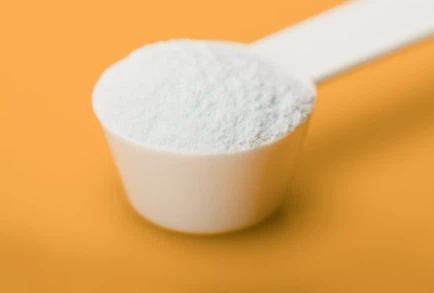
The Main Benefits of DL-Methionine
Supports Protein Synthesis
DL-Methionine is an essential amino acid that is involved in the synthesis of proteins and other important compounds in the body. By supporting protein synthesis, DL-Methionine helps to build and repair tissues, including muscles, skin, hair, and nails.
Supports Liver Health
DL-Methionine has been shown to be beneficial for liver health by reducing the buildup of excess fat in the liver. This can help to prevent liver damage and support overall liver function.
Antioxidant Properties
DL-Methionine plays a role in the synthesis of the antioxidant glutathione, which helps to protect the body from oxidative damage caused by free radicals. This can help to prevent cell damage and support overall health and well-being.
Supports Wound Healing
DL-Methionine has been shown to have a positive impact on wound healing. It may help to reduce oxidative damage, support the formation of new tissue, and promote the healing process. This makes it a useful supplement for people with slow-healing wounds or those who have trouble healing after injury or surgery.
Supports Mood and Mental Health
DL-Methionine has been investigated for its potential use in the treatment of depression, anxiety, and other psychiatric conditions. It may also help to support cognitive function and improve mood by increasing the synthesis of neurotransmitters, such as dopamine.

- Supports healthy digestion
- Promotes healthy skin and coat
- Supports joint health
- Supports muscle health
- Supports immunity
In Food
Dl-Methionine can used as nutritional supplement in food.
In Beverage
Dl-Methionine can be used in beverage.
In Pharmaceutical
Dl-Methionine is used in adjuvant therapy of pneumonia, cirrhosis and fatty liver treatment.
In Health and Personal Care
Dl-Methionine used as Fragrance Ingredient.
Hair Conditioning Agent.
Skin-Conditioning Agent.
In Agriculture/Animal Feed/Poultry
DL-Methionine is the necessary growth factors in livestock animal. Dl-Methionine is widely used as nutritional supplement in Agriculture/Animal Feed/Poultry feed.
In Other Industries
Dl-Methionine is widely used as intermediate in various other industries.


Doses and method of application
This amino acid is added to mixed feed through premixes. The amount of DL-methionine added in mixed feed depends on the species and age of farm animals, including poultry.
Safety measures of DL-Methionine
Unloading, storage and loading of feed DL-methionine should be performed in compliance with the general safety measures provided for handling chemicals. In cases of potential contact with the skin or eyes, protective equipment (rubber or plastic gloves, goggles) should be used. Hands and face should be washed before working breaks and after work. In case of contact with eyes, rinse eyes with plenty of water.
Things You Need to Consider Before Taking Any Nutrition Supplement
Talk to Your Healthcare Provider: Before taking any supplement, it's essential to talk to your healthcare provider. Some supplements can interact with medications or have side effects that you need to be aware of.
Ask Yourself Whether You Even Need This: Are you just wasting your money? Are you already getting enough from your diet? If you have a balanced diet, you probably do not need to take any supplements at all.
Consider Your Health Goals: What health goals are you trying to achieve? Do you have a deficiency in a particular vitamin or mineral?
Check the Dosage: Make sure to check the dosage of the supplement. Taking too much of a supplement can be harmful, and taking too little may not provide any benefits.
Certifications
Our products have passed ISO 9001, HACCP, FSSC22000, SC and CFDA, Korean FDA, EU GMP and other quality management system certifications.


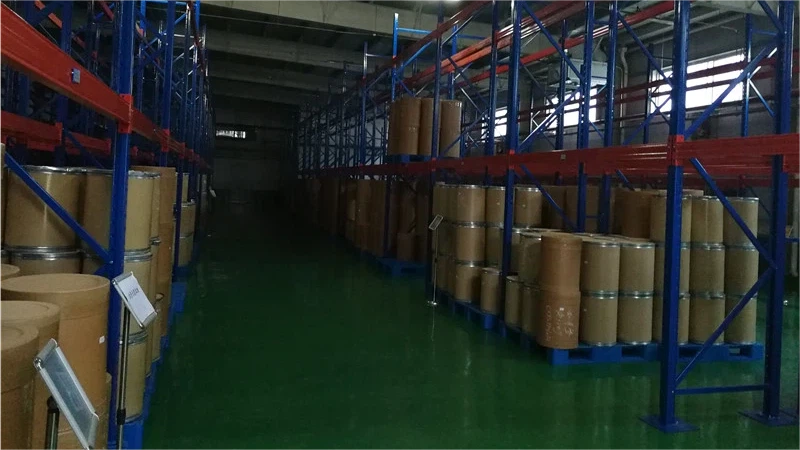
Our Factory
Shanghai Exquisite Biochemical Co., Ltd. established in 2009, we are specializing in production and supply API and chemicals.


Frequently Asked Questions
Q: What is the nutrition?
Q: What are 7 types of nutrition?
Carbohydrates.
Proteins.
Fats.
Vitamins.
Minerals.
Dietary fibre.
Water.
Q: What is nutrients in short answer?
Q: What is nutrient in food?
Q: Why is nutrition so important?
Q: What is the main purpose of nutrition?
Q: What are the 2 main types of nutrition?
Q: What is the difference between nutrition and nutrients?
Q: What are major nutrition?
Q: What are the most nutritious foods?
Olive oil.
Whole grains.
Yogurt.
Cruciferous vegetables.
Legumes.
Tomatoes.
Q: How can I get nutrients without eating?
Q: How do humans get nutrition?
Q: How does poor nutrition affect health?
Q: What is the relationship between food and nutrition?
Q: Are nutrition and vitamins the same?
Q: What are 6 essential nutrients?
Q: What 3 nutrients should you limit?
Q: Is water a food nutrient?
Q: How does the body absorb nutrients?
Q: What is basic nutrition?
Q: What is the most important nutrient?
Q: How does nutrition affect aging?
Shanghai Exquisite Biochemical Co., Ltd. is one of the most professional nutritions manufacturers and suppliers in China, featured by good service and punctual delivery. Please rest assured to buy high quality nutritions at competitive price from our factory.