

Intermediates
Why Choose Us
Rich Experience
Founded in 2009, Shanghai Exquisite is a company specializing in the production and supply of APIs and chemicals.
Professional Technique
Shanghai Exquisite cooperates with Tianjin University and Shanghai Institute of Organic Chemistry to focus on the research and development of health care products.
Quality Guaranteed
Our products have passed ISO 9001, HACCP, FSSC22000, SC and CFDA, Korean FDA, EU GMP and other quality management system certifications, as well as KOSHER and HALAL certifications.
Global Sales
Our products have been exported to Europe, the United States, India, South Asia, Southeast Asia and other regions, and have been recognized and highly praised by the market and customers.


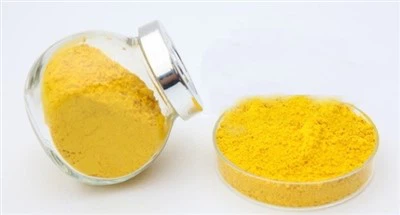

Definition of Intermediates
In chemistry, a reaction intermediate, or intermediate, is a molecular entity arising within the sequence of a stepwise chemical reaction. It is formed as the reaction product of an elementary step, from the reactants and/or preceding intermediates, but is consumed in a later step. It does not appear in the chemical equation for the overall reaction.
Let’s introduce some important products to you!
What is Azodicarbonamide?
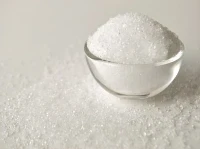
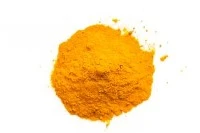
Azodicarbonamide is a white or light yellow powder. It is non-toxic, odorless, non-flammable and self-extinguishing. Soluble in alkali, insoluble in gasoline, alcohol, benzene, pyridine and water; the chemical formula is C2H4N4O2, and the molecular formula is NH2CON=NCONH2.
Azodicarbonamide is a foaming agent commonly used in industry. It can be used in the production of yoga mats and rubber soles to increase the elasticity of the product. It can also be used in the food industry to increase the strength and flexibility of the dough.

Application of AC Blowing Agent
Used in the production of yoga mats, rubber soles, shoes etc., to increase product flexibility.
Used in the food industry to increase the strength and flexibility of the dough.
For the foaming of PVC, polyethylene, polypropylene, ABS resin and rubber.
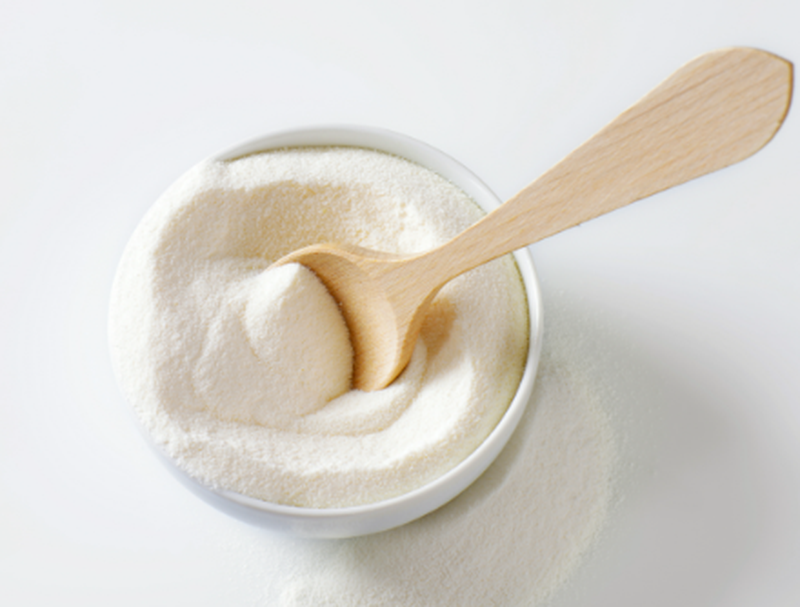
- When we use the product only, it can create tiny, high quality and uniform stomatal structure. The foam product is odourless, tasteless, non-pollution and colourstay, so it is very suitable for the foam products which are without smell and with light colour.
- The product can apply to natural rubber (e.g. EPDM, SBR, CR, FKM, IIR, NBR), synthetic rubber (e.g. PVC, PE, PS, ABS) and thermoplastic products. It’s also used for making rubber-resin mixture.
- The product has fine insulativity and can be used for making wire and cable.
- In certain situations, it can be used as foaming agent as well as corss-lingking agent in curing mechanism
- This product is the most commonly used foaming agent. It can play its role with other foaming agent. As its wide use, OBSH is also known as universal foaming agent.
- It is odorless and non-toxic, with good storage stability and won’t decompose under common temperature but should be stored in a cool, dry place away from any sources of heat, spark, open flames or direct sunlight.
- Never let it contact directly with acids or alkalis. Good local exhaust ventilation in mixing and handling areas is highly recommended.
- Be careful not to inhale its powder, make frequent skin contact or swallow it.


What is Lambda Cyhalothric Acid?
Lambda-Cyhalothric Acid is one of the important intermediate chrysanthemic acid varieties for the synthesis of pyrethroid insecticides, from which it can be used to synthesize efficient pyrethroids.
Lambda-Cyhalothric Acid is an intermediate for the preparation of pyrethroids such as beta-cyhalothrin (Kungfu chrysanthemum), transfluthrin and bifenthrin.
Lambda Cyhalotric Acid Properties
| CAS DataBase Reference | 72748-35-7 |
| Melting Point | 107-109°C |
| Boiling Point | 271.6±40.0 °C(Predicted) |
| Density | 1.152 |
| Solubility | Chloroform (Sparingly, Sonicated), DMSO (Slightly), Methanol (Slightly) |
| Form | Solid |
| Pka | 3.91±0.42(Predicted) |
| Color | White to off-white |

Production Method of Lambda Cyhalotric Acid
The preparation method is to put the metered sodium hydroxide solution and solvent into the reaction kettle, start stirring, put the cis -3-(2,2-dichloro -3,3,3-trifluoropropanyl)-2,2-dimethylcyclopropanecarboxylate methyl ester, heat up to the reflux temperature until the reaction is complete, it takes about 6 hours, recover the solvent, add hydrochloric acid to adjust the pH, move into the separation kettle to introduce carbon dioxide, white solid gradually precipitated from the solution, until the precipitation is complete and then filtered to obtain white powdery solid Z-cis chlorofluorochrysanthemum acid (also known as kungfu acid).
Precautions for Safe Handling
- Avoid contact with skin, eyes, and personal clothing. Wash hands thoroughly after handling. Avoid breathing fumes. Use only with adequate ventilation.
- Wear suitable protective clothing, gloves, and eye/face protection.
- Keep away from sources of ignition. Minimize dust generation and accumulation.
- Keep container tightly closed. Open and handle container with care.
- Do not eat, drink, or smoke while handling.

What is Cytidine 5-Monophosphate?
Cytidine 5'-monophosphate is a pyrimidine ribonucleoside 5'-monophosphate having cytosine as the nucleobase. It has a role as a human metabolite, an Escherichia coli metabolite and a mouse metabolite. It is a pyrimidine ribonucleoside 5'-monophosphate and a cytidine 5'-phosphate. It is a conjugate acid of a cytidine 5'-monophosphate(2-).
Properties of Cytidine 5-Monophosphate
| Organic Source | Synthetic |
| CAS | 63-37-6 |
| Chemical Formula | C9H14N3O8P |
| Purity | ≥ 99% |
| Form | Powder |
| Appearance | White crystalline powder |
| Storage Temp. | 2-8°C |
| Solubility | Water (Slightly, Heated) |
Handling of Cytidine 5-Monophosphate
Wherever possible, you should prepare and use solutions on the same day. However, if you need to make up stock solutions in advance, we recommend that you store the solution as aliquots in tightly sealed vials at -20°C. Generally, these will be useable for up to one month. Before use, and prior to opening the vial we recommend that you allow your product to equilibrate to room temperature for at least 1 hour.

The method for producing Cytidine 5'-monophosphate disodium salt comprises the following steps:
- Cytosine, phosphoric acid three ethyl ester and pyridine were added into the reaction vessel. After mixing, the reaction temperature was -15-5 C, and a certain amount of three phosphorus oxychloride was added slowly at this temperature. After stirring, the reaction continued to 10-30h.
- The sample was analyzed by HPLC. When the conversion rate was more than 99%, 10-15% ice salt water was added for hydrolysis. The hydrolysis temperature was controlled at 0-5degrees and the hydrolysis time was 10-20h;
- After the end of hydrolysis, the water layer is obtained by standing and layering to remove the organic phase;
- Adjust pH 7.0-8.0 of the water layer with 30% sodium hydroxide, then drop 95% alcohol twice the volume of the solution, precipitate crystals, and filter to get the crude product.
- The crude product was dissolved, decolorized with activated carbon, and then 95% alcohol twice the volume of the solution was added to precipitate crystals. The finished product, Cytidine 5'-monophosphate disodium salt, was obtained by filtration, rinsing and drying.
Application of Cytidine 5-Monophosphate
The nucleoside diphosphates cytidine diphosphate (CDP) and uridine diphosphate (UDP) are essential for pyrimidine synthesis Cytidine 5′-monophosphate (CMP) nucleotide is useful in adsorption studies on biomimetic apatite for mimicking bone mineral. It also serves an immunity supplement in pediatric formulas.
Cytidine 5′-monophosphate (CMP) is used as a substrate of uridine monophosphate (UMP)/cytidine monophosphate (CMP) kinase (EC 2.7.4.4) to form CDP which upon phosphorylation to CTP supports DNA and RNA biosynthesis.
Types of Reaction Intermediate in Organic Chemistry
Non-Isolated Intermediate
A substance that is manufactured solely for the purpose of being transformed into another substance (or synthesis) and is used up within this reaction. Non-isolated intermediate is not intentionally removed from the synthesizing equipment.
On-site Isolated Intermediate
A substance manufactured for or used for chemical processing in order to be transformed into another substance, the synthesis of which takes places on the same site and which is operated by one or more legal entities.
Transported Isolated Intermediate
A substance(for example, pharmaceutical intermediate) manufactured for or used for chemical processing in order to be transformed into another substance, the synthesis of which is transported between or supplied to other sites.
The Role of Intermediate Chemicals
Intermediate chemicals are compounds formed as “stepping stones” in the journey from raw material to finished product. Their role isn’t just limited to product formulation; they also enhance the overall efficacy of industrial operations.
Core Building Blocks
These chemicals often serve as foundational components in a wide variety of products. Whether it’s pharmaceuticals, cosmetics, agrochemicals, or specialty chemicals, intermediates are the backbone that supports product formulation.
Process Efficiency
Incorporating the right intermediates can optimize reaction pathways, reducing the number of steps or even enabling more energy-efficient reactions. This translates to quicker production cycles and reduced costs.
Product Performance
Intermediates can influence the performance attributes of the final product. For instance, in pharmaceuticals, an intermediate might play a role in enhancing the drug’s efficacy or stability.
Regulatory Adherence
Many industries have strict guidelines on product composition and quality. Using specific, high-quality intermediate chemicals can assist in meeting these requirements, ensuring that the end products are safe and compliant.
Innovation Enabler
As new materials and compounds are discovered, the role of intermediates evolves. They allow industries to innovate, release new products or enhance existing ones, by acting as the bridge between foundational chemistry and innovative application.
Economic Impact
The production, sale, and purchase of intermediate chemicals form a significant portion of the global chemical industry’s economy. Their manufacture and trade create jobs, drive research, and support many downstream industries.
Applications of Intermediates
Biological Intermediates
Reaction intermediates serve purposes in a variety of biological settings. An example of this is demonstrated with the enzyme reaction intermediate of metallo-β-lactamase, which bacteria can use to acquire resistance to commonly used antibiotics such as penicillin. Metallo-β-lactamase can catalyze β-lactams, a family of common antibiotics. Spectroscopy techniques have found that the reaction intermediate of metallo-β-lactamase uses zinc in the resistance pathway.
An additional example of biologically relevant reaction intermediates can be found with the RCL enzymes, which catalyzes glycosidic bonds. When studied using methanolysis, it was found that the reaction required the formation of a reaction intermediate.
Chemical Processing Industry
In the chemical industry, the term intermediate may also refer to the (stable) product of a reaction that is itself valuable only as a precursor chemical for other industries. A common example is cumene which is made from benzene and propylene and used to make acetone and phenol in the cumene process. The cumene itself is of relatively little value in and of itself, and is typically only bought and sold by chemical companies.
What’s the Difference Between a Catalyst and an Intermediate?
Catalysts
- In chemistry, a catalyst is any material that speeds up a process without being utilized.
- In general, catalytic activity is a chemical interaction between a catalyst and a reactant that produces chemical intermediates that can react more rapidly with each other or with another reactant to produce the desired end product.
- The catalyst is replenished during the reaction between the chemical intermediates and the reactants.
- Several chemical manufacturing processes rely on catalyzed reactions.
Intermediates
- A reaction intermediate, also known as an intermediate, is a molecular unit generated from reactants that interacts further to produce the immediately seen products of a chemical reaction.
- Most chemical reactions are sequential, meaning they require more than one basic step to finish. Except for the penultimate stage, which produces the final product, each phase produces an intermediate.
- Reactive intermediates are hardly ever segregated and generally have a brief life span. They also do not stay in the product combination due to their limited lifespan.
Conclusion
- Catalyst is any material that speeds up a process without being utilized.
- A reaction intermediate is a molecular unit generated from reactants that interacts further to produce the immediately seen products of a chemical reaction.
- The catalyst is replenished during the reaction between the chemical intermediates and the reactants.
Things to Consider Before Choosing the Right Chemical Supplier

Reputation and Experience of Chemical Intermediates Supplier and Distributor
The reputation and experience of a chemical supplier are paramount. Look for suppliers with a proven track record and a positive reputation within the industry. A well-established supplier will likely have extensive experience, a wide range of products, and a solid customer base. Consider their years in business, customer reviews, and testimonials to gauge their credibility and reliability.
Chemical Intermediates Supplier and Distributor’s Quality Assurance and Certifications
Chemicals must adhere to strict quality standards to ensure they meet your specific requirements and comply with safety regulations. Verify that the supplier follows stringent quality assurance processes and holds relevant certifications such as ISO 9001 or ISO 14001. These certifications demonstrate a commitment to quality, consistency, and environmental responsibility.
Chemical Intermediates supplier and distributor’s Product Range and Availability
Evaluate the supplier’s product range to determine if they can fulfill your current and future needs. A comprehensive range of chemicals reduces the hassle of dealing with multiple suppliers. Additionally, inquire about the availability of stock and their ability to meet your demand on time. Prompt delivery and consistent availability are vital to avoid disruptions in your operations.
Technical Support and Expertise
Chemicals can be complex, and having access to technical support and expertise from your supplier can be invaluable. Look for a supplier with a knowledgeable and responsive support team who can assist you with product selection, usage guidelines, safety information, and any technical queries you may have. A reliable supplier will prioritize customer support and be willing to provide the necessary assistance.
Safety and Compliance
Safety is a paramount concern when dealing with chemicals. Ensure that the supplier follows strict safety protocols, provides appropriate safety data sheets (SDS) for all products, and complies with relevant regulations and standards. They should also have appropriate packaging and labeling that adheres to local and international guidelines. By partnering with a safety-conscious supplier, you can mitigate potential risks and ensure a safe working environment.
Pricing and Payment Terms
While price shouldn’t be the sole determining factor, it’s important to find a supplier that offers competitive pricing. Request quotes from multiple suppliers and compare their prices for similar products. However, beware of extremely low prices, as they may indicate compromised quality. Additionally, discuss payment terms and any discounts or volume-based incentives they offer to ensure a mutually beneficial partnership.
Certifications
Our products have passed ISO 9001, HACCP, FSSC22000, SC and CFDA, Korean FDA, EU GMP and other quality management system certifications.


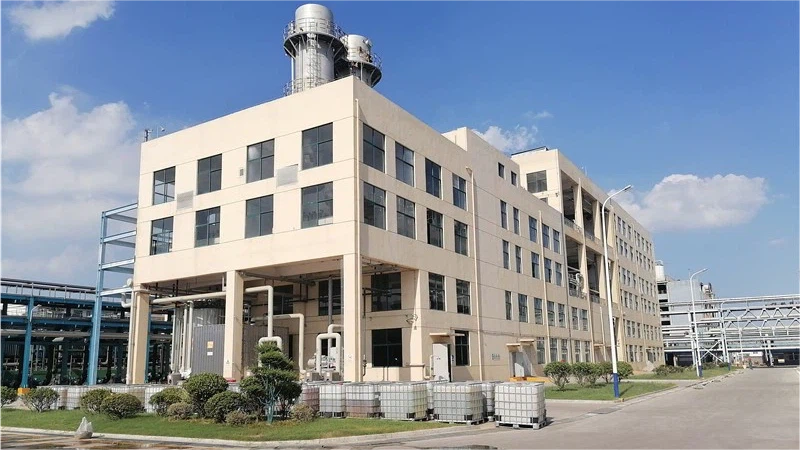
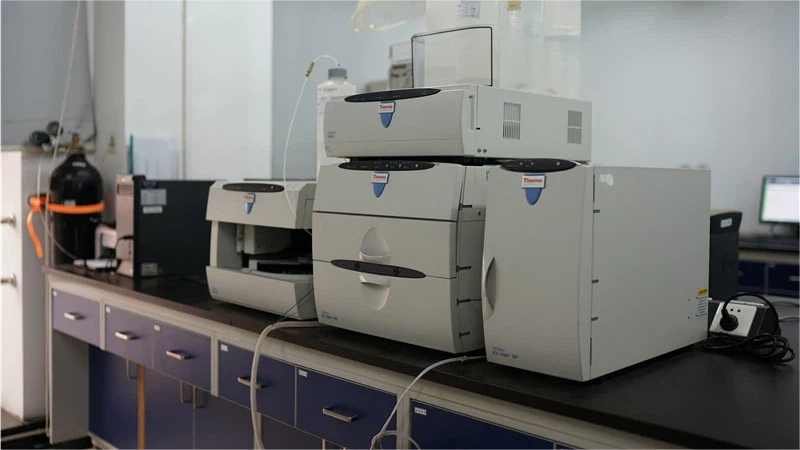
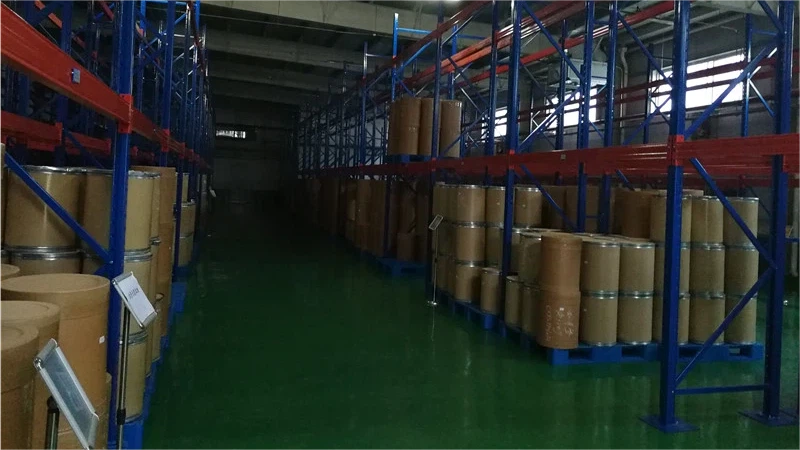
Our Factory
Shanghai Exquisite Biochemical Co., Ltd. established in 2009, we are specializing in production and supply API and chemicals.

Frequently Asked Questions
Q: What are intermediaries in chemistry?
Q: What are intermediates in biology?
Q: What are the kinds of intermediates?
Free Radicals. Another common class of reaction intermediates are free radicals.
Carbocations.
Q: What are the 4 types of reactive intermediates?
Q: How do you identify intermediates in chemistry?
Q: What is an intermediate in organic chemistry?
Q: What is a radical intermediate?
Q: Do all reactions have intermediates?
Q: What is the difference between a catalyst and an intermediate?
Q: What is the difference between intermediate and catalyst?
Q: What is the importance of intermediate in chemistry?
Q: What is the difference between an intermediate and an activated complex?
Q: Are free radicals intermediates?
Q: Can radical intermediates rearrange?
Q: Can there be two intermediates?
Q: Can an intermediate be a reactant?
Q: Why intermediates are unstable and reactive?
Q: Are intermediates always higher energy?
Q: What is a highly reactive intermediate?
Q: Can catalysts form intermediates?
Q: What is the purpose of intermediates?
Shanghai Exquisite Biochemical Co., Ltd. is one of the most professional intermediates manufacturers and suppliers in China, featured by good service and punctual delivery. Please rest assured to buy high quality intermediates at competitive price from our factory.
1 2 4 Triazole, 1 2 Hexanediol, 8 Bromooctanoic Acid