

Antioxidants
Why Choose Us
Rich Experience
Founded in 2009, Shanghai Exquisite is a company specializing in the production and supply of APIs and chemicals.
Professional Technique
Shanghai Exquisite cooperates with Tianjin University and Shanghai Institute of Organic Chemistry to focus on the research and development of health care products.
Quality Guaranteed
Our products have passed ISO 9001, HACCP, FSSC22000, SC and CFDA, Korean FDA, EU GMP and other quality management system certifications, as well as KOSHER and HALAL certifications.
Global Sales
Our products have been exported to Europe, the United States, India, South Asia, Southeast Asia and other regions, and have been recognized and highly praised by the market and customers.






Definition of Antioxidants
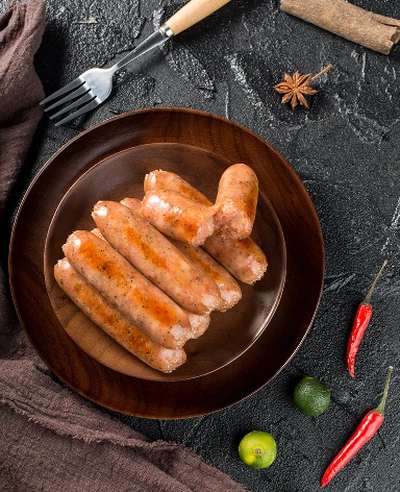
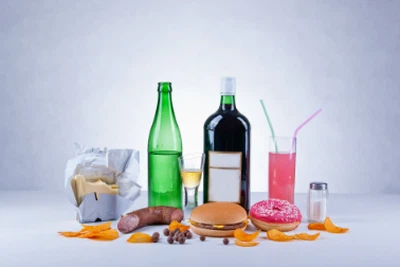
Antioxidants are compounds that inhibit oxidation (usually occurring as autoxidation), a chemical reaction that can produce free radicals. Autoxidation leads to degradation of organic compounds, including living matter. Antioxidants are frequently added to industrial products, such as polymers, fuels, and lubricants, to extend their usable lifetimes. Food are also treated with antioxidants to forestall spoilage, in particular the rancidification of oils and fats. In cells, antioxidants such as glutathione, mycothiol or bacillithiol, and enzyme systems like superoxide dismutase, can prevent damage from oxidative stress.
Types of Antioxidants
Primary Antioxidants: These essentially function as free radical terminators. Primary-antioxidants are important antioxidant enzymes certainly produced by our body. These internal antioxidant enzymes serve as our body’s most potent defense against free radicals and harmful inflammatory reactions. There are only 3 primary-antioxidants: Catalase (CAT), Glutathione Peroxidase (GPx) and SOD.
Secondary Antioxidants: These function by retarding chain initiation and it is also important preventive antioxidants. Secondary antioxidants frequently known as hydro peroxide decomposers, act to convert hydro peroxides into nonradical, nonreactive and thermally stable products. To yield synergistic stabilization effects they are often used in combination with primary antioxidants. Glucose-6-phosphate dehydrogenase, Glutathione reductase, ubiquinone and glutathione-s-transferase, are the secondary antioxidants. Iron, copper, zinc, manganese and selenium also increase the antioxidant enzyme activities.
Tertiary Antioxidants: Tertiary oxidants: Tertiary oxidants by repairing the oxidized molecules and there function takes place (some enzymes of DNA, proteolytic enzymes, etc.) through sources like consecutive antioxidants or dietary.
They Reduce Oxidative Stress
Oxidative stress is a form of physiological stress caused by an imbalance between the production and accumulation of oxygen-reactive species in the cells and tissue. This can result in a gap in a system’s ability to detoxify reactive products. By consuming antioxidants you can prevent that state of oxidative stress, which can set you up for success in many areas of your health.
They Support Disease Prevention
Most of the disease-prevention capabilities associated with antioxidants are also related to oxidative stress. A report in Research in Pharmaceutical Sciences shows that by reducing oxidative stress, antioxidants can support normal cellular function and offer additional protection against diseases. Antioxidants have been linked to lower rates of cancer, tumors, diabetes, atherosclerosis, cardiovascular diseases and metabolic disorders in many cases.
They Can Contribute to Mental Health Improvements
Brain health and mental health are different from one another, but antioxidants can lend both a helping hand. Research in Current Neuropharmacology shows that oxidative stress is often related to anxiety and depression. Although eating a healthy, balanced diet that includes a rich array of antioxidants isn’t a replacement for proper mental health medication or care, it is among the lifestyle changes that can be of help to plenty of individuals.
They Can Reduce Inflammation
Inflammation can manifest in a variety of symptoms, including headaches, joint and muscle pain. The way that antioxidants prevent inflammation is relatively simple; as they protect the cells from damage, they can prevent those unwanted inflammatory responses from occurring at all.
They Support Eye Health
Introducing more antioxidant rich foods into your diet can have a particularly effective impact on your risk for certain major eye concerns, specifically, age-related macular degeneration and cataracts.
They Aid In Brain Function
Did you know that due to the amount of oxygen the brain uses in daily functioning through naturally high metabolic activity, it is more susceptible than most of the body’s other systems to free radical attack? One of the major ways you can protect your brain against this attack is by consuming antioxidants. Specifically, antioxidants have the potential to delay various forms of cognitive decline, like memory loss.
Antioxidant Uses in Technology
Food Preservatives
Antioxidants are used as food additives to help guard against food deterioration. Exposure to oxygen and sunlight are the two main factors in the oxidation of food, so food is preserved by keeping in the dark and sealing it in containers or even coating it in wax, as with cucumbers. However, as oxygen is also important for plant respiration, storing plant materials in anaerobic conditions produces unpleasant flavors and unappealing colors.
Cosmetics Preservatives
Antioxidant stabilizers are also added to fat-based cosmetics such as lipstick and moisturizers to prevent rancidity. Antioxidants in cosmetic products prevent oxidation of active ingredients and lipid content. For example, phenolic antioxidants such as stilbenes, flavonoids, and hydroxycinnamic acid strongly absorb UV radiation due to the presence of chromophores. They reduce oxidative stress from sun exposure by absorbing UV light.
Industrial Uses
Antioxidants may be added to industrial products, such as stabilizers in fuels and additives in lubricants, to prevent oxidation and polymerization that leads to the formation of engine-fouling residues. Antioxidant polymer stabilizers are widely used to prevent the degradation of polymers, such as rubbers, plastics and adhesives, that causes a loss of strength and flexibility in these materials.
Antioxidants are substances that prevent damage to cells from highly reactive, unstable molecules called “free radicals.” A balance between antioxidants and free radicals in our body is important for health. If not kept in check, free radicals lead to cell damage linked to a variety of chronic diseases. Phytochemicals are naturally occurring compounds in plant foods such as fruits, vegetables, whole grains, beans, nuts and seeds. In laboratory studies, many phytochemicals act as antioxidants, neutralizing free radicals and removing their power to create damage. Some nutrients, like vitamins C and E and the mineral selenium, seem to block free radicals directly not only in the laboratory, but within the human body, too. When it comes to phytochemicals, however, lab test results don’t accurately depict effects in the body. In fact, many of the phytochemicals that show high antioxidant scores in lab tests can’t even be absorbed from the gut. However, healthful bacteria in the colon may break down many of them, forming other compounds that can be absorbed.
Phytochemicals and the compounds that form from them seem to act in a variety of ways to protect health. Some can increase cancer cells’ tendency to self-destruct; others may stop carcinogens before they have a chance to begin the process of cancer development. They may also block the development of new blood vessels tumors need. Some fight inflammation.
Many phytochemicals also seem to support our body’s ability to balance antioxidants and free radicals. The human antioxidant defense system includes a complex network of enzymes and other compounds working with one another and with antioxidant nutrients supplied by food. The important take-home message from today’s research is that we need a wide variety of plant foods in our diet to get the full spectrum of phytochemicals available to protect our health. Loading up on any one phytochemical or antioxidant just isn’t the same.
What is TBHQ?
Tert-Butylhydroquinone (TBHQ, tertiary butylhydroquinone) is a synthetic aromatic organic compound which is a type of phenol. It is a derivative of hydroquinone, substituted with a tert-butyl group.

Specification of Tertiary Butylhydroquinone
| Grade | Analytical standard |
| Assay | ≥98.0% (GC) |
| CAS Number | 1948-33-0 |
| Autoignition Temp | 855 °F |
| Shelf Life | limited shelf life, expiry date on the label |
| Mp | 127-129 °C (lit.) |
| Format | Neat |
| InChI | 1S/C10H14O2/c1-10(2,3)8-6-7(11)4-5-9(8)12/h4-6,11-12H,1-3H3 |

- High antioxidant activity in cooking oils and fats.
- Similar to BHA and BHT in its oxidative capacity.
- Soluble in fat.
- Does not react with copper and iron and does not form complex compounds. .
- Does not fade the colour of foodstuffs.
- Does not cause off-flavours.
- Citric acid or monoglyceride citrates may be added to improve lipid stabilising properties.
- Easy to incorporate in fats and oils.
- Good solubility in fats and oils.
- Does not discolour in presence of iron and metal complexes.
- Does not produce any odour when added to edible oils & fats.
- Stable at high temperatures and less volatile than BHA.
- It is a free flowing crystalline material, thus can be handled easily.
- Effective at low concentration. Only 2 kg of TBHQ is required for 10 metric tons of any edible oil.
- Offers carry through protection to fried foods.
- In edible oils and fats, TBHQ is the safest option in its class.


TBHQ is a highly effective antioxidant for unsaturated vegetable oils and many edible animal fats. It does not cause discoloration even in the presence of iron, and does not change flavor nor odor of the material it is added to. It can be combined with other antioxidants such as butylated hydroxyanisole (BHA). As food additive, its E number is E319, where it is used as an antioxidant. It is added to a wide range of foods, with highest limit (1000 mg/kg) permitted for frozen fish and fish products. Its primary advantage is enhancing storage life.
It is used industrially as a stabilizer to inhibit autopolymerization of organic peroxides. In perfumery, it is used as a fixative to lower the evaporation rate and improve stability. It is also added to varnishes, lacquers, resins, and oil field additives.
What is L-Malic Acid?
Malic acid is an organic compound with the molecular formula C4H6O5. It is a dicarboxylic acid that is made by all living organisms, contributes to the sour taste of fruits, and is used as a food additive. Malic acid has two stereoisomeric forms (L- and D-enantiomers), though only the L-isomer exists naturally. The salts and esters of malic acid are known as malates. The malate anion is a metabolic intermediate in the citric acid cycle.

Technical Information of L-Malic Acid
| Appearance | Powder |
| Physical State | Solid |
| Solubility | Soluble in water (363 g/l at 20° C), ethanol (86.60 g/100g at 20° C), methanol (197.22 g/100g at 20° C), acetone (60.66 g/100g at 20° C), and ether (2.70 g/100g at 20° C). |
| Storage | Store at room temperature |
| Melting Point | 101-103° C (lit.) |
| Boiling Point | ~306.4° C at 760 mmHg (Predicted) |
| Density | 1.6 g/cm3 at 20° C |
Applications
L-(-)-Malic acid is used as a food additive, Selective α-amino protecting reagent for amino acid derivatives. Versatile synthon for the preparation of chiral compounds including κ-opioid receptor agonists, 1α,25-dihydroxyvitamin D3 analogue, and phoslactomycin B.
Skincare
Malic acid is an alpha hydroxy acid, which is said to be a natural exfoliator. It may be used to smooth wrinkles and fine lines, improve skin texture, cleanse pores, and improve overall skin. Because of this, malic acid has been used in various skincare products.
Kidney Stones
In one preliminary study set in a lab, malic acid was found to increase urine pH levels, making kidney stone formation less likely. The researchers concluded that malic acid supplementation might help treat calcium kidney stones.
Fibromyalgia
A pilot study from 1995 found that taking malic acid in combination with magnesium helped alleviate pain and tenderness in people with fibromyalgia.
Dry Mouth
The use of a 1% oral malic acid spray has been explored as a treatment for dry mouth. After two weeks of using the sprays as needed, those using the malic acid spray had improved dry mouth symptoms and increased rates of saliva flow.

When Taken by Mouth: Malic acid is commonly consumed in foods. Malic acid is possibly safe when used as a medicine for up to 6 months.
When Applied to the Inside of the Mouth: Malic acid is possibly safe when used in a mouth spray or lozenge for up to 6 months.
When Applied to the Skin: There isn't enough reliable information to know if malic acid is safe. It might cause side effects such as skin and eye irritation.
Pregnancy and Breast-Feeding: Malic acid is commonly consumed in foods. There isn't enough reliable information to know if malic acid is safe to use as medicine when pregnant or breast-feeding. Stay on the safe side and stick to food amounts.
What is DL-Tartaric Acid?
DL-Tartaric Acid is white powder, widely used in the food industry, used as a foaming agent of beer, acid taste agent, taste modified agent, and is mainly used to make tartaric acid salts, like potassium sodium tartrate, it can also be served as a beer vesicant, foodstuff sourness agent and flavouring etc.Tartaric acid is a white crystalline organic acid that occurs naturally in many plants, most notably in grapes.Its salt, potassium bitartrate, commonly known as cream of tartar, develops naturally in the process of winemaking. Naturally occurring tartaric acid is chiral, and is a useful raw material in organic chemical synthesis. The naturally occurring form of the acid is dextrotartaric acid or D-(-)-tartaric acid.

Chemical Properties
| CAS No | 133-37-9 |
| IUPAC Name | 2,3-dihydroxybutanedioic acid |
| Molecular Formula | C4H6O6 |
| InChI Key | FEWJPZIEWOKRBE-UHFFFAOYNA-N |
| Synonym | (.+-.)-tartaric acid|DL−Tartaric acid|Paratartaric acid|Racemic tartaric acid|Uvic acid |
| Appearance (Color) | White |
| Assay (Silylated GC) | ≥98.5% |
| Form | Crystals or powder or crystalline powder |
| Assay (Aqueous acid-base Titration) | ≥98.5 to ≤101.5% |
DL-Tartaric acid can be used:
- In the Debus-Radziszewski reaction as a weak acid for the synthesis of imidazolium ionic liquid.
- As an additive in electrochemical deposition technique for the synthesis of bismuth thin films to be used as X-ray absorbers.
- As a complexing agent for the synthesis of nano-crystalline indium tin oxide (ITO) powder.
- As a dopant for the synthesis of polyaniline nanofibers and nanotubes by oxidation polymerization.

Handling and storage
- Avoid formation of dust and aerosols.
- Provide appropriate exhaust ventilation at places where dust is formed.
- Store in cool place.
- Keep container tightly closed in a dry and well-ventilated place.
- Storage class: Non-Combustible Solids
Certifications
Our products have passed ISO 9001, HACCP, FSSC22000, SC and CFDA, Korean FDA, EU GMP and other quality management system certifications.


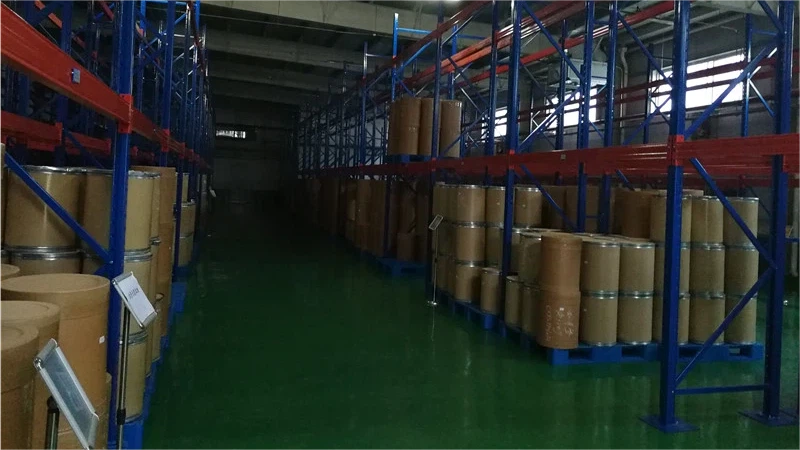
Our Factory
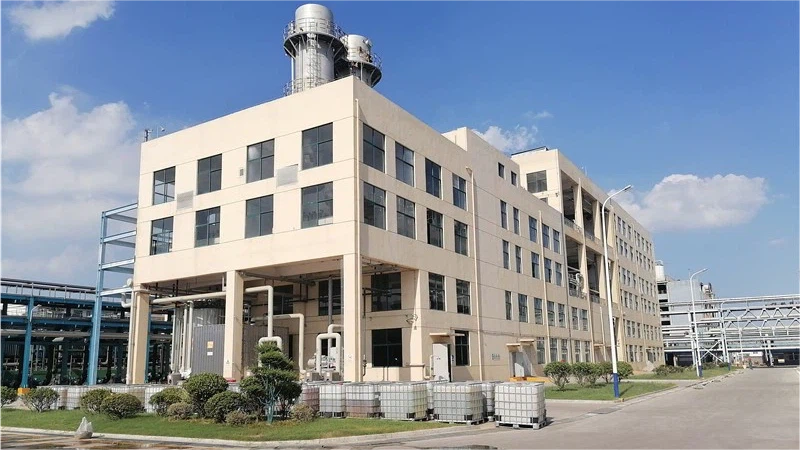
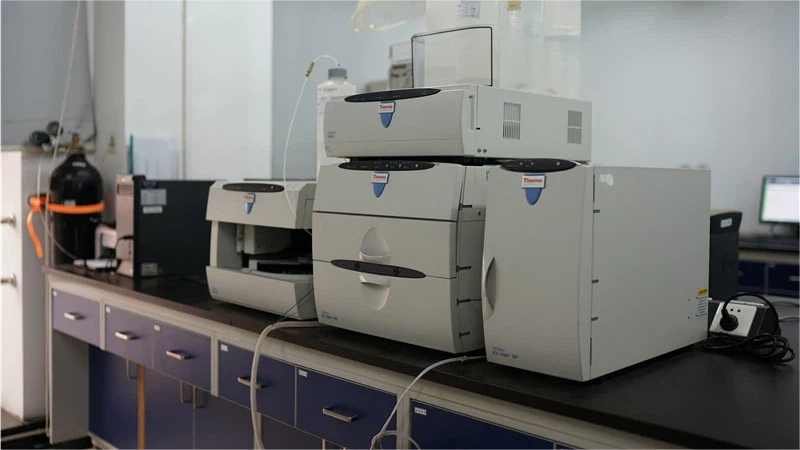
Shanghai Exquisite Biochemical Co., Ltd. established in 2009, we are specializing in production and supply API and chemicals.

Frequently Asked Questions
Q: What does antioxidants do for the body?
Q: Where do we get the antioxidants we need?
Q: Can antioxidant supplements help to prevent cancer?
Q: Can antioxidant supplements help to prevent cardiovascular disease?
Q: What are the 4 major antioxidants?
Q: Which food is rich in antioxidants?
Q: What antioxidant means?
Q: Can too much antioxidants be harmful?
Q: Is Coffee an antioxidant?
Q: What is the strongest antioxidant?
Q: What is the best most powerful antioxidant?
CoEnzyme Q10.
Vitamin E.
Vitamin C.
Selenium.
Dark Chocolate.
Pecans.
Blueberries.
Q: Are bananas high in antioxidants?
Q: Which fruit is highest in antioxidants?
Q: Is Lemon an antioxidant?
Q: What are the side effects of antioxidants?
Q: Is it safe to eat antioxidants everyday?
Q: Does chocolate have antioxidants?
Q: What is the best antioxidant to take daily?
Q: Which are the 2 most important antioxidants?
Q: Are apples high in antioxidants?
Q: Are tomatoes high in antioxidants?
Shanghai Exquisite Biochemical Co., Ltd. is one of the most professional antioxidants manufacturers and suppliers in China, featured by good service and punctual delivery. Please rest assured to buy high quality antioxidants at competitive price from our factory.
BHT, Erythorbic Acid, Sodium Erythorbate