

Plant Extracts
Why Choose Us
Rich Experience
Founded in 2009, Shanghai Exquisite is a company specializing in the production and supply of APIs and chemicals.
Professional Technique
Shanghai Exquisite cooperates with Tianjin University and Shanghai Institute of Organic Chemistry to focus on the research and development of health care products.
Quality Guaranteed
Our products have passed ISO 9001, HACCP, FSSC22000, SC and CFDA, Korean FDA, EU GMP and other quality management system certifications, as well as KOSHER and HALAL certifications.
Global Sales
Our products have been exported to Europe, the United States, India, South Asia, Southeast Asia and other regions, and have been recognized and highly praised by the market and customers.


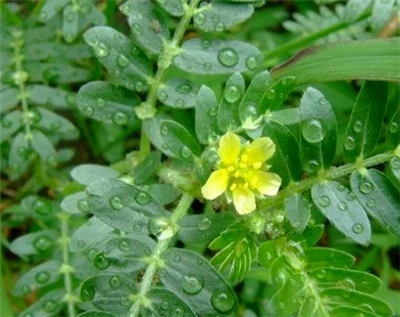
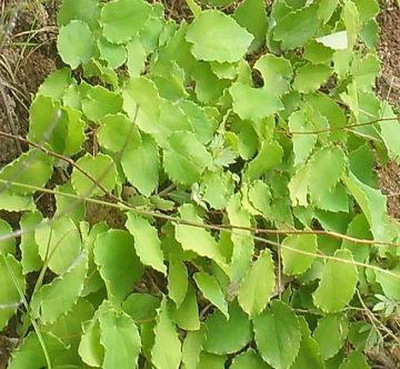


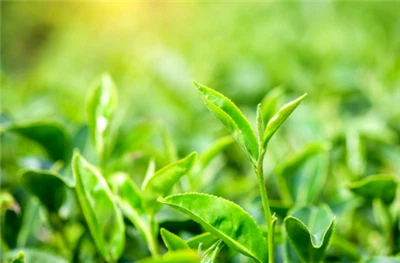


Definition of Plant Extracts
Plant extract refers to a product that is formed through an extraction and separation process where plants are used as raw materials. Generally, the original components of the plants are not changed. In some cases, excipients are also used to make the powder or granular products have features like good fluidity and resistance to moisture absorption. There are also a small amount of liquid or oily plant extract products.
According to process and intrinsic quality, plant extracts can be divided into simple extracts, quantitative extracts, standardized extracts, and purified extracts. Based on the product form, they are classified into solid extracts, liquid extracts, and soft extracts. Also, based on the formula, they are divided into single medicine extract, compound Chinese medicine extract, and component extract.
The medicinal properties of plants are now more recognised than ever because of both scientific and anecdotal evidence of their many health benefits. Phytochemicals are natural compounds found in plants such as herbs, vegetables and fruits that work with nutrients and fibres to support health-promoting functions and activities in the body.
The extraction process separates the bioactive compounds, such as resveratrol from Japanese knotweed, from the rest of the plant structure, leaving a highly concentrated version of the plant composed primarily of the therapeutic constituents.

Main Functions and Mechanism of Plant Extracts
With the deepening of research on plant extracts, various biological functions of plant extracts have been gradually recognized and applied in production, including growth promotion, anti-oxidation, antibacterial and anti-inflammatory, immune enhancement and methane emission inhibition.
In addition, with the help of molecular biology and cell biology, relevant studies have been made on the molecular mechanism of plant extracts exerting apparent effects. However, due to the complexity of plant extracts composition and organism regulation, many mechanisms are still being explored.
The Extraction Process of Plant Extracts
Plant extracts are prepared in a variety of different ways. They may be prepared by extracting the herb with solvents including water, alcohol (usually ethanol or methanol) or a mixture of alcohol and water. These extracts may then be available in different forms listed in order of increasing strength: tinctures, liquid extracts, soft extracts and dry extracts.
Hydro alcoholic solvent extraction is a general method and will extract a wide range of constituents from the herb. If the desired actives are more fat soluble high strength alcoholic extracts are appropriate whereas if water-soluble components are required water-based extracts are suitable.
Most extracts used in medicinal applications are prepared by solvent extraction and their selection should be based on the levels of active constituent present relative to the end-use application.
Another consideration to be made here are the characteristics of the finished product. The plant extract should be compatible with the finished product matrix and compatibility will be governed by the water content and nature of the excipients making the bulk finished product.
On the other hand, for providing concentrated flavours, essential oils are the appropriate form of extract to be used. Most essential oils are extracted through the use of steam distillation and/or hydrodistillation. Although on a large scale steam distillation may be costly the essential oil fractions are very concentrated so only small doses are required for flavouring.
Understanding these processes and how they affect the plant extract that you wish to purchase is important as it can have a significant impact on your final product.
The Health Benefits of Plant Extracts
Phytochemicals are the natural chemicals in plants that provide protection from bacteria, viruses, and fungi. When extracting plant materials, these phytochemical compounds also affect health outcomes. Many of the phytochemical compounds found in extracted materials can be grouped according to the chemical nature of their secondary metabolite constituents. This includes alkaloids like caffeine and nicotine; terpenes like ginkgo, ginseng, and valerian; and phenolic compounds such as curcumin and resveratrol. Compounds may also include flavonoids, phenols, phenolic glycosides, saponins, and nitrogen compounds.
Along with phytochemical compounds, plant extracts are a great natural source of vitamins, minerals, and other nutrients. These ingredients are essential for optimal health, and they promote a wide range of health benefits. From improving your digestion to boosting immune system function and reducing inflammation, plant extracts can be a great way to supercharge your general health. While following a balanced diet and exercise regime is the foundation of every healthy lifestyle, plant extracts can play an important supportive role.
Along with nutrition, many plant extracts have been used in drug discovery programs. As the primary source of bioactive compounds, scientists study plants all the time in an effort to create new useful medicines. Several important drugs have already been isolated and identified from plants, and there are surely lots of discoveries yet to take place. While Western medicine and natural food-based nutrition are often thought to be worlds apart, many of our most important life-saving drugs have come from a deep understanding of plants. Even today, 50% of all drugs in clinical use are derived from natural products.
The Cosmetic Benefits of Plant Extracts
Along with providing nutritional goodness, certain plant extracts are known for their cosmetic effects. A wide variety of plants are collected, processed, and refined to be used in beauty products. You can find plant materials in face creams, hand creams, shampoos, conditioners, and sun lotions, among many other products. While most cosmetic plant extracts are combined with other ingredients in small doses, some materials can be applied directly to the body.
The following plant extracts are widely used in cosmetic products.
- Eucalyptus plant extract
- Aloe vera extract
- Chamomile extract
- Rose extract
- Lavender extract
- Coffeeberry extract
- Soy extract
- Sea buckthorn extract
- Walnut extract
- Pine bark extract
A plant extract is a substance or active substance of a desired property extracted from plant tissue by treatment for a specific purpose. Plant extracts can be used in a variety of areas including health foods, therapeutic drugs, cosmetics, processing aids, additives - chemical alternatives, and so on.
Medical Industry: Medicinal plant extracts are currently of considerable importance because of their special attributes as a large source of therapeutic phytochemicals that lead to the development of new drugs. Since phenolic and flavonoid plant extracts have antioxidant activity, it has been reported that most chemicals from plant sources such as phenols and flavonoids have a positive impact on health and cancer prevention. The antioxidant activity of phenolic and flavonoid plays a role in preventing the development of age-related diseases that are particularly caused by oxidative stress.
Cosmetics Industry: Plant extracts are attracting increasing interests in the cosmetics industry. There are now growing scientific evidences that plant extracts have a broad and complex arsenal of active ingredients that not only calm or smooth skin, but also repair and protect human skin. In addition, plant extracts may contain compounds having antimicrobial or other beneficial properties that affect the formulation of cosmetics. Plant extracts can provide formulators with more choices at the technical level in cosmetics industry and meet the diverse needs of consumers.
Health Food Industry: Plant extracts can be used in health foods. Health foods are a specific type of food that has specific functions for the human body, but they are not intended to treat diseases and are suitable for consumption by a specific population. For example, endogenous plant antioxidants, which are extracted from tea, sesame and wild rice, as well as from other plant sources such as rice husks, can inhibit lipid peroxidation and protect the membrane from oxidative damage of membrane function.
What is Milk Thistle Extract?
Milk thistle is a plant that is native to Europe and was brought to North America by early colonists. Milk thistle is now found throughout the eastern United States, California, South America, Africa, Australia, and Asia. The above ground parts and seeds are used to make medicine.
Its herbal remedy is known as milk thistle extract. Milk thistle extract has a high amount of silymarin (between 65–80%) that has been concentrated from the milk thistle plant. The silymarin extracted from milk thistle is known to have antioxidant, antiviral and anti-inflammatory properties.

Milk Thistle Protects Your Liver
Studies have shown improvements in liver function in people with liver diseases who have taken a milk thistle supplement, suggesting it could help reduce liver inflammation and liver damage.
It May Help Prevent Age-Related Decline in Brain Function
Its anti-inflammatory and antioxidant properties mean that it is possibly neuroprotective and could help prevent the decline in brain function you experience as you age.
Milk Thistle Could Protect Your Bones
Milk thistle has been shown in experimental test-tube and animal studies to stimulate bone mineralization and potentially be protective against bone loss.
It May Improve Cancer Treatment
Some animal studies have shown that milk thistle could be useful for reducing the side effects of cancer treatments. It may also make chemotherapy work more effectively against certain cancers and, in some circumstances, even destroy cancer cells.
It Can Boost Breast Milk Production
One reported effect of milk thistle is that it can boost breast milk production in lactating mothers. It’s thought to work by making more of the milk-producing hormone prolactin.
It Could Help Treat Acne
Due to its antioxidant and anti-inflammatory effects, milk thistle may be a useful supplement for people with acne.
Milk Thistle Can Lower Blood Sugar Levels for People With Diabetes
Milk thistle may be a useful complementary therapy to help manage type 2 diabetes. It’s been discovered that one of the compounds in milk thistle may work similarly to some diabetic medications by helping improve insulin sensitivity and decrease blood sugar.

Milk thistle seeds contain silymarin. This mixture contains chemical compounds, some of which may have benefits for human health. These include:
- Silybin
- Isosilybin
- Silychristin
- Isosilychristin
- Silydianin
- Taxifolin
- In clinical trials, milk thistle appears to be well tolerated in recommended doses. Occasionally, people report various digestive side effects.
- Milk thistle may produce allergic reactions, which tend to be more common among people who are allergic to plants in the same family (for example, ragweed, chrysanthemum, marigold, and daisy).
- Milk thistle may lower blood sugar levels in people with type 2 diabetes. People with diabetes should use caution.
- Little is known about whether it’s safe to use milk thistle during pregnancy or while breastfeeding.

Resveratrol (3,5,4′-trihydroxy-trans-stilbene) is a stilbenoid, a type of natural phenol, and a phytoalexin produced by several plants in response to injury or when the plant is under attack by pathogens, such as bacteria or fungi. Sources of resveratrol in food include the skin of grapes, blueberries, raspberries, mulberries, and peanuts.
Resveratrol Supplements May Help Lower Blood Pressure
Resveratrol may accomplish this blood-pressure-lowering effect by helping to produce more nitric oxide, which causes blood vessels to relax.
It Has a Positive Effect on Blood Fats
Several studies in animals have suggested that resveratrol supplements may change blood fats in a healthy way. Resveratrol seems to influence cholesterol levels by reducing the effect of an enzyme that controls cholesterol production.
It Lengthens Lifespan in Certain Animals
There’s evidence that resveratrol activates certain genes that ward off the diseases of aging. It works to achieve this in the same way as calorie restriction, which has shown promise in lengthening lifespans by changing how genes express themselves.
It Protects the Brain
Several studies have suggested that drinking red wine can help slow down age-related cognitive decline. This may partly be due to the antioxidant and anti-inflammatory activity of resveratrol.
It May Increase Insulin Sensitivity
Resveratrol has been shown to have several benefits for diabetes, at least in animal studies. These benefits include increasing insulin sensitivity and preventing complications from diabetes.
It May Ease Joint Pain
Plant-based supplements are being studied as a way to treat and prevent joint pain. When taken as a supplement, resveratrol may help protect cartilage from deteriorating.
Resveratrol May Suppress Cancer Cells
In animal and test-tube studies, it has been shown to fight several kinds of cancer cells, including gastric, colon, skin, breast and prostate.
Use Precautions of Resveratrol
When Taken by Mouth: People often consume resveratrol in small amounts in foods. Resveratrol supplements are possibly safe when taken by mouth in doses up to 1500 mg daily for up to 3 months. Higher doses of up to 2000-3000 mg daily have been used safely for 2-6 months. But these higher doses are more likely to cause stomach upset.
When Applied to the Skin: Resveratrol is possibly safe when used for up to 30 days.
When Sprayed into the Nose: Resveratrol is possibly safe when used for up to 4 weeks.
How to Store Resveratrol?
Many supplements come with recommended storage suggestions on the product label, though not all do.
Resveratrol supplements should be stored:
- In a cool, dry place away from direct sunlight, heat, and humidity.
- In their original packaging and airtight containers.
- In a dark bottle to avoid light exposure, which may degrade the ingredients.


What Is Rutin?
Rutin is a citrus flavonoid glycoside, which is a low molecular weight polyphenolic compound. There are various physiological functions of rutin and related flavonoids in the human body and other species, including plants. Rutin is one of the best natural antioxidants in the known natural class.
Health Benefits of Rutin
Boosts Heart Health
When it comes to your heart health, recent research suggests that rutin can help maintain blood vessel elasticity, reduce blood vessel brittleness, lower capillary permeability and prevent complications caused by hypertension.
Relieves Arthritis Symptoms
Animal studies show that this antioxidant has the power to inhibit acute and chronic inflammation. That makes it a potential natural treatment for arthritis.
Fights Cancer
Rutin may serve as a therapeutic agent for fighting cancer because of its antioxidant and anti-inflammatory effects. It also has been shown to induce apoptosis, or cancer cell death, and display anti-tumor effects.
Protects Against Metabolic Disease
Research shows that rutin may protect us from developing metabolic syndrome as we age. Studies involving aged rats found that the flavonoid inhibited the increase of fasting blood glucose, insulin levels and blood pressure.
Protects Brain Health
Research suggests that rutin has protective effects against brain injury and age-related damage. It also helps promote brain health because of its anti-inflammatory and antioxidant properties.
Prevents Blood Clots
Researchers found that rutin inhibits protein disulfide isomerase (PDI), which is rapidly secreted from our platelets and endothelial cells during thrombosis. By blocking the secretion of PDI, the antioxidant proved to block thrombosis in mice.
Improves Circulation
In traditional medicine, rutin is known for its ability to strengthen blood vessels and improve circulation. It is used to reduce the appearance of varicose veins, relieve hemorrhoids and prevent hemorrhagic strokes that are caused by broken veins or arteries.
Source of Rutin
- Buckwheat
- Apples
- Olives
- Teas
- Citrus
- Stone Fruits
- Asparagus

When Taken by Mouth: Rutin is commonly consumed from fruits and vegetables. Rutin supplements are possibly safe when taken in doses up to 600 mg daily for up to 12 weeks. Rutin is usually well tolerated. Side effects might include headache or stomach upset.
When Applied to the Skin: Rutin is possibly safe when applied in skin creams.
Pregnancy and Breast-feeding: Rutin is commonly consumed in fruits and vegetables. There isn't enough reliable information to know if rutin supplements are safe to use when pregnant or breast feeding. Stay on the safe side and stick to the amounts found in foods.
Surgery: Rutin might reduce blood sugar in some people. Rutin might interfere with blood sugar control during and after surgical procedures. Stop using rutin at least two weeks before a scheduled surgery.
Certifications
Our products have passed ISO 9001, HACCP, FSSC22000, SC and CFDA, Korean FDA, EU GMP and other quality management system certifications.


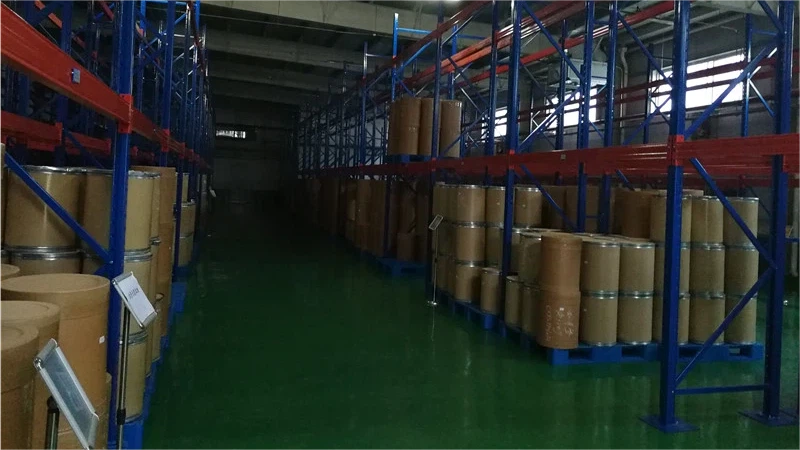
Our Factory
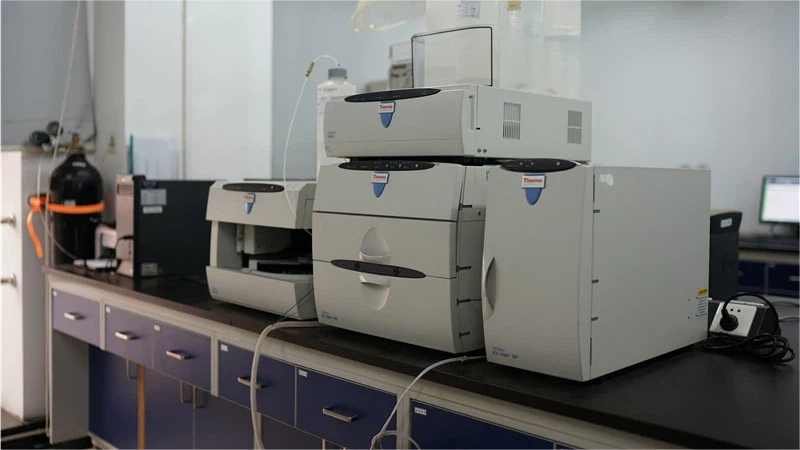
Shanghai Exquisite Biochemical Co., Ltd. established in 2009, we are specializing in production and supply API and chemicals.


Frequently Asked Questions
Q: What is a plant extract?
Q: What is the difference between plant extract and essential oils?
Q: What are the benefits of plant extracts?
Q: What chemicals are in plant extracts?
Q: What are examples of extracts?
Almond Extract.
Lemon Extract.
Peppermint Extract.
Coconut Extract.
Banana Extract.
Maple Extract.
Orange Extract.
Q: What is the difference between herbs and extracts?
Q: Is extract stronger than essential oil?
Q: Are extracts safer than essential oils?
Q: Are plant extracts natural?
Q: How are plant extracts made?
Q: Which extract is best for skin?
Hibiscus.
Iris.
Beech Tree.
Hemp.
Centella Asiatica.
Q: What are the three types of extracts?
Q: What are the 3 methods of extraction?
Q: Are herbal extracts healthy?
Q: Are whole herbs better than extracts?
Q: Are plant extracts safe for skin?
Q: What are the different types of plant extracts?
Q: How do you make natural plant extract?
Wash and coarsely chop the herbs.
Place them into an airtight jar.
Pour alcohol or vinegar into the jar and seal it. For fresh herbs, use a 1-1 plant-to-alcohol ratio.
Q: What is natural extract?
Q: How do you remove ethanol from plant extract?
Q: What are plant extracts in skincare?
Shanghai Exquisite Biochemical Co., Ltd. is one of the most professional plant extracts manufacturers and suppliers in China, featured by good service and punctual delivery. Please rest assured to buy high quality plant extracts at competitive price from our factory.
Quercetin, Berberine HCL, Resveratrol