

Vitamins
Why Choose Us
Rich Experience
Founded in 2009, Shanghai Exquisite is a company specializing in the production and supply of APIs and chemicals.
Professional Technique
Shanghai Exquisite cooperates with Tianjin University and Shanghai Institute of Organic Chemistry to focus on the research and development of health care products.
Quality Guaranteed
Our products have passed ISO 9001, HACCP, FSSC22000, SC and CFDA, Korean FDA, EU GMP and other quality management system certifications, as well as KOSHER and HALAL certifications.
Global Sales
Our products have been exported to Europe, the United States, India, South Asia, Southeast Asia and other regions, and have been recognized and highly praised by the market and customers.


Definition of Vitamins
Vitamins are organic molecules (or a set of closely related molecules called vitamers) that are essential to an organism in small quantities for proper metabolic function. Essential nutrients cannot be synthesized in the organism in sufficient quantities for survival, and therefore must be obtained through the diet. For example, Vitamin C can be synthesized by some species but not by others; it is not considered a vitamin in the first instance but is in the second. Most vitamins are not single molecules, but groups of related molecules called vitamers. For example, there are eight vitamers of vitamin E: four tocopherols and four tocotrienols.
Vitamins are either soluble, or dissolvable, in fat or water. We describe both types below:
Fat-soluble Vitamins
Vitamins A, D, E, and K are fat-soluble. The body stores Trusted Source fat-soluble vitamins in fatty tissue and the liver, and reserves of these vitamins can stay in the body for days and sometimes months. Dietary fats help the body absorb fat-soluble vitamins through the intestinal tract.
Water-soluble Vitamins
Water-soluble vitamins do not stay Trusted Source in the body for long and cannot be stored. They leave the body via the urine. Because of this, people need a more regular supply of water-soluble vitamins than fat-soluble ones. Vitamin C and all the B vitamins are water-soluble Trusted Source.

Major health organizations list thirteen vitamins:
- Vitamin A (all-trans-retinols, all-trans-retinyl-esters, as well as all-trans-beta-carotene and other provitamin A carotenoids)
- Vitamin B1 (thiamine)
- Vitamin B2 (riboflavin)
- Vitamin B3 (niacin)
- Vitamin B5 (pantothenic acid)
- Vitamin B6 (pyridoxine)
- Vitamin B7 (biotin)
- Vitamin B9 (folic acid and folates)
- Vitamin B12 (cobalamins)
- Vitamin C (ascorbic acid and ascorbates)
- Vitamin D (calciferols)
- Vitamin E (tocopherols and tocotrienols)
- Vitamin K (phylloquinones, menaquinones, and menadiones)
What is D-Alpha Tocopheryl Acid Succinate?
D-α-Tocopheryl Succinate is a potent antioxidant tocopherol. At high concentrations it has been shown to trigger caspase-mediated apoptosis of certain cells and, at low concentrations, inhibit proliferation. Mechanistic studies suggest that this compound down-regulates the fibroblast growth factor receptor-1 (FGFR1). Other experiments report that D-α-Tocopheryl Succinate also targets ASK 1, GADD 45β, and MEK-4, three key components of stress-activated mitogen-activated protein kinase pathway.
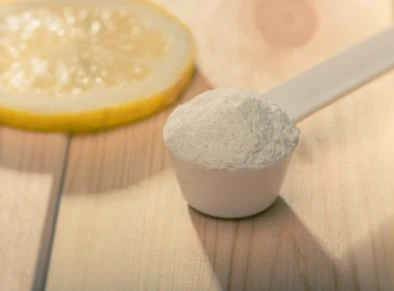
Properties OF D-Alpha Tocopheryl Acid Succinate
| CAS | 4345/3/3 |
| Organic Source | Semisynthetic |
| Form | Powder |
| Specific Activity | 1210 IU/g |
| Color | White to yellow |
| Melting Point | Approximately 76 °C |
Function of D-Alpha Tocopheryl Acid Succinate
- Movement disorder (ataxia) associated with vitamin E deficiency. The genetic movement disorder called ataxia causes severe vitamin E deficiency. Vitamin E supplements are used as part of the treatment for ataxia.
- Vitamin E deficiency. Taking vitamin E by mouth is effective for preventing and treating vitamin E deficiency.
Application of D-α Tocopheryl Acid Succinate
Alpha-tocopherol is known to be a fat-soluble antioxidant that has the capability to neutralize endogenous free radicals. This biologic action of vitamin E consequently continues to generate ongoing interest and study in whether or not its antioxidant abilities may be used to help assist in preventing or treating a number of different conditions like cardiovascular disease, ocular conditions, diabetes, cancer and more. There is also ongoing research that proposes that the alpha-tocopherol succinate compound itself is capable of eliciting anti-cancer and inflammation mediation activities.
D-alpha-Tocopherol acetate is a form of vitamin E used to treat and prevent vitamin deficiencies.
Alpha-tocopherol is the primary form of vitamin E that is preferentially used by the human body to meet appropriate dietary requirements. In particular, the RRR-alpha-tocopherol (or sometimes called the d-alpha-tocopherol stereoisomer) stereoisomer is considered the natural formation of alpha-tocopherol and generally exhibits the greatest bioavailability out of all of the alpha-tocopherol stereoisomers. Moreover, RRR-alpha-tocopherol acetate is a relatively stabilized form of vitamin E that is most commonly used as a food additive when needed.
Functions of Tocopheryl Acetate
Tocopheryl acetate has many proposed uses, primarily because of its antioxidant properties, which are thought to protect cells from free radicals.
- Reducing inflammation
- Preventing heart disease
- Preventing cancer
- Promoting wound healing
- Slowing cognitive decline
- Slowing the progression of macular degeneration (eye disease affecting central vision)
How Is It Made?
Tocopherol and tocopheryl acetate can be made naturally from vegetable oils or synthetically from petroleum products. The two have distinct names for supplement labeling; d-alpha tocopherol or tocopheryl acetate distinguishes a naturally derived supplement while dl-alpha tocopherol or tocopheryl acetate distinguishes a synthetic supplement. As a cosmetic ingredient the name tocopherol or tocopheryl acetate is simply applied so the source can not be determined from the label. The tocopherol we use is naturally derived from either soybean or rapeseed oil. The tocopheryl acetate is produced when this naturally derived d-alpha tocopherol is combined with acetic acid in a process known as esterification.
Precautions of D-Alpha Tocopheryl Acetate
- When Taken by Mouth: Vitamin E is likely safe for most people when taken in doses lower than 1000 mg daily. The risk of side effects increases with higher doses. Side effects can include nausea, fatigue, headache, and bleeding.
- When Applied to the Skin: Vitamin E is likely safe for most people.
- Pregnancy: When used in the recommended daily amount, vitamin E is possibly safe during pregnancy. Do not take vitamin E supplements during the first 8 weeks of pregnancy without speaking with your healthcare provider. It might be harmful to the baby. Later in pregnancy, the maximum recommended amount of vitamin E is 800 mg in those 14-18 years of age and 1000 mg in those older than 18 years of age.
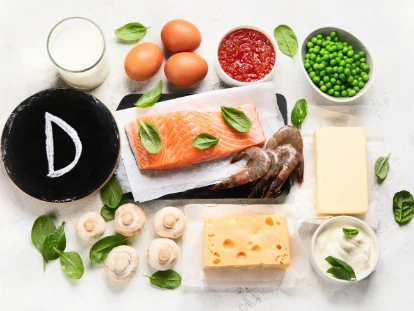
What is Vitamin D2?
Ergocalciferol, also known as vitamin D2 and nonspecifically calciferol, is a type of vitamin D found in food and used as a dietary supplement. As a supplement it is used to prevent and treat vitamin D deficiency. This includes vitamin D deficiency due to poor absorption by the intestines or liver disease. It may also be used for low blood calcium due to hypoparathyroidism. It is used by mouth or injection into a muscle.
Sources of Vitamin D2
- Fungus
- Lichen
- Plantae
- Biosynthesis: The vitamin D2 content in mushrooms and C. arbuscula increase with exposure to ultraviolet light. Ergosterol (provitamin D2) found in these fungi is converted to previtamin D2 on UV exposure, which then turns into vitamin D2. As cultured mushrooms are generally grown in darkness, less vitamin D2 is found compared to those grown in the wild or dried in the sun.
Benefits of Vitamin D2
- Promoting the absorption of calcium, which is essential to maintaining bone density.
- Supporting immune defenses and normal responses to inflammation.
- Aiding in metabolism of phosphorus, which assists in maintenance of healthy tissues, bones, cells and DNA.
- Boosting mental health, supporting cognitive function and assisting in mood stabilization.
- Potentially fighting cancer development, including by slowing tumor growth and promoting cell death.
- Helping maintain a healthy body weight.
Ergocalciferol Side Effects
Get emergency medical help if you have signs of an allergic reaction: hives; difficult breathing; swelling of your face, lips, tongue, or throat.
Stop taking Vitamin D2 and call your doctor at once if you have:
- Chest pain, feeling short of breath.
- Growth problems (in a child taking ergocalciferol).
- Early signs of vitamin D overdose--weakness, metallic taste in your mouth, weight loss, muscle or bone pain, constipation, nausea, and vomiting.

What Are the Benefits of Vitamins?
The benefits of vitamins depend on the specific vitamin. However, getting the daily recommended amount of each vitamin can help keep you healthy. Some key benefits of vitamins include.
Vitamin A: Vitamin A helps with your vision and the formation and maintenance of your teeth, bones, skin, and soft tissues.
Vitamin B6: B6 helps you maintain healthy brain function and form the red blood cells you need.
Vitamin B12: B12 helps maintain your central nervous system, it’s also important for metabolism and for the formation of red blood cells.
Vitamin C: Vitamin C helps maintain healthy tissue and promotes dental health. It’s also important for wound healing.
Vitamin D: You need vitamin D so that your body can absorb enough calcium and develop healthy teeth and bones.
Vitamin E: Vitamin E is important forTrusted Source organ function.
Vitamin K: Vitamin K helps your blood clot.
Thiamine: Thiamine is essential forTrusted Source turning the carbohydrates you eat into energy you can use.
Riboflavin: Riboflavin helps your bodyTrusted Source produce red blood cells.
Niacin: Niacin helps maintainTrusted Source your skin and nervous system.
Pathogenic acid: Pathogenic acid is important forTrusted Source metabolism and the production of hormones and cholesterol.
Biotin: Biotin helps the bodyTrusted Source metabolize proteins and carbohydrates and helps the body produce cholesterol and hormones.
Folate: Folate helps produceTrusted Source red blood cells and DNA.
Functions of Vitamins
Water-soluble vitamins
Release Energy. Several B vitamins are key components of certain coenzymes (molecules that aid enzymes) that help release energy from food.
Produce Energy. Thiamin, riboflavin, niacin, pantothenic acid, and biotin engage in energy production.
Build Proteins and Cells. Vitamins B6, B12, and folic acid metabolize amino acids (the building blocks of proteins) and help cells multiply.
Make Collagen. One of many roles played by vitamin C is to help make collagen, which knits together wounds, supports blood vessel walls, and forms a base for teeth and bones.
Fat-soluble vitamins
Build Bones. Bone formation would be impossible without vitamins A, D, and K.
Protect Vision. Vitamin A also helps keep cells healthy and protects your vision.
Interact Favorably. Without vitamin E, your body would have difficulty absorbing and storing vitamin A.
Protect the Body. Vitamin E also acts as an antioxidant (a compound that helps protect the body against damage from unstable molecules).
All About Where Vitamin Supplements Come From
Natural Source
These include nutrients from vegetable, animal or mineral sources. But before making it into the supplement bottle, they undergo significant processing and refining. Examples include vitamin D from fish liver oils, vitamin E from vegetable oils, and natural beta-carotene. When a vitamin is marked “natural”, it only has to include 10% of actual natural plant-derived ingredients. The other 90% could be synthetic.
Nature-Identical Synthetic
This includes nutrients completely manufactured in a lab with the molecular structure identical to the same nutrients occurring in nature. Manufacturers often prefer this process because of the cost and scarcity of natural resources. Most standard vitamin supplements on the market today are this type. An example here would be vitamin C.
Strictly Synthetic
These nutrients are manufactured in a lab and are different than the same nutrients found in nature. Synthetic vitamins can have the same chemical constituents, but still have a different shape (optical activity). This is important because some of the enzymes in the human body only work properly with a vitamin of the correct shape. When we give the body concentrated forms of synthetic nutrients, it doesn’t always appear to have an appropriate delivery system.
Bacterial Fermentation
This includes nutrients produced by genetically altering bacteria. Genetically altered bacteria can produce nutrient by-products. Examples include CoQ10, amino acids, ergocalciferol (vitamin D2), menaquinone (vitamin K2), riboflavin (fermentation of ribose), cyancobalamin (vitamin B12; this is exclusively obtained via fermentation processes, as the naturally occurring source of B12 is bacterial metabolic activity, think animal tissues/meat carrying bacteria), and melatonin.
Here are the key differences between synthetic and organic vitamins:
Organic vitamins and supplements come from whole food sources. They are made by condensing and concentrating specific fruits, vegetables, and other natural foods into a convenient form that allows you to get the optimal amount of each nutrient in every serving.
Organic vitamins are readily recognised by the body. This makes them more bioavailable. In other words, they're easier for the body to absorb and use.
On the other hand:
- Synthetic vitamins and supplements are made from chemical compounds produced in a lab. They're made to mimic the natural way the body absorbs nutrients from food.
- The body doesn't as easily recognise synthetic vitamins therefore, it's harder for the it to absorb and use them efficiently.
- Synthetic vitamin formulas often contain very high amounts of nutrients to make up for the body's inability to absorb them these high dosages could lead to health issues due to overdosing.
Certifications
Our products have passed ISO 9001, HACCP, FSSC22000, SC and CFDA, Korean FDA, EU GMP and other quality management system certifications.


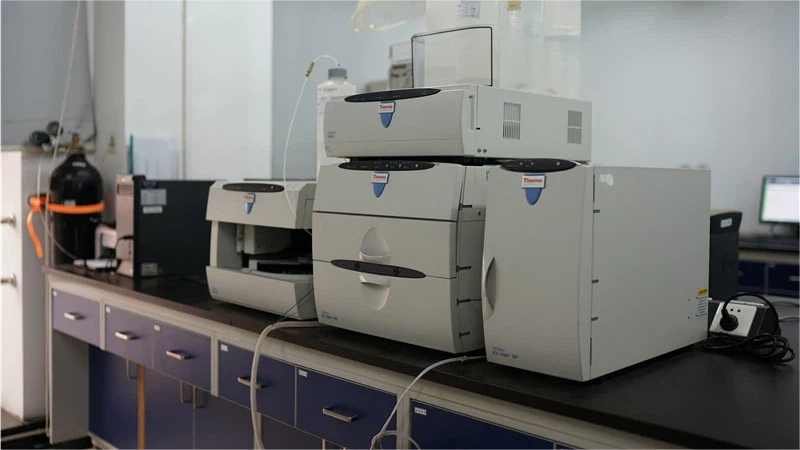
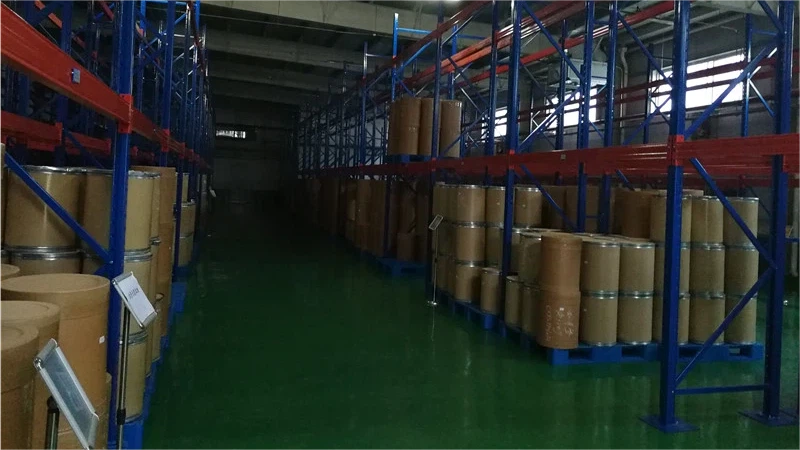
Our Factory
Shanghai Exquisite Biochemical Co., Ltd. established in 2009, we are specializing in production and supply API and chemicals.


Frequently Asked Questions
Q: What are the main 13 vitamins?
Q: What are vitamins used for?
Q: What are the most important 5 vitamins?
Q: What do you mean by vitamins?
Q: Are there 13 or 14 vitamins?
Q: How do you get 13 essential vitamins?
Q: Can I take vitamin A daily?
Q: What food has vitamin D?
Q: What is the healthiest vitamin?
Vitamin D.
Vitamin E.
Vitamin K.
Iron.
Magnesium.
Zinc.
Q: What is the hardest vitamin to get?
Omega-3 Fatty Acids.
Magnesium.
Vitamin K.
Iodine.
Vitamin B12.
Q: Which vitamin is most needed?
Q: Do vitamins provide energy?
Q: Are vitamins good for you?
Q: What foods have vitamins?
Vitamin A - carrots, sweet potatoes, spinach, kale.
Vitamin B12 - meat, poultry, fish.
Vitamin E - nuts, seeds, vegetable oils.
Q: Should I take B-12 or B complex?
Q: How can I get 100% of my daily vitamins?
Eat a variety of foods from all food groups.
Choose nutrient-rich foods over processed foods.
Limit your intake of sugary drinks and unhealthy fats.
Cook more meals at home so that you can control the ingredients.
Q: When to take vitamin D?
Q: Which vitamin is good for eyes?
Q: Do you need vitamins as you age?
Q: Is 2 eggs a day enough vitamin D?
Q: Are bananas high in vitamin D?
Shanghai Exquisite Biochemical Co., Ltd. is one of the most professional vitamins manufacturers and suppliers in China, featured by good service and punctual delivery. Please rest assured to buy high quality vitamins at competitive price from our factory.
Nicotinic Acid, Vitamin K3, Folic Acid