


Introduction
Coloring is a fundamental process in the production of different kinds of food products. This process involves the addition of food colorants to improve the product’s appeal and enhance its taste. Natural colorants are the most preferred source of food colorants due to the increasing consumer demand for healthier and organic food products. In this article, we will discuss natural colorants in detail, including their benefits, sources, and applications.
What are Natural Colorants?
Natural colorants are food additives derived from natural sources, such as vegetables, fruits, and microbes, that impart color to food products. These colorants are extracted from natural sources using various methods such as solvent extraction, steam distillation, and fermentation. They are preferred over synthetic colorants due to their non-toxic and eco-friendly nature.
Benefits of Natural Colorants
The use of natural colorants in food products provides several benefits, both to the consumers and the environment.
Firstly, natural colorants are usually non-toxic and safe for consumption. Unlike synthetic colorants, natural colorants do not contain harmful chemicals that can cause adverse health effects. This makes them a healthier option for food coloring.
Secondly, natural colorants are eco-friendly. They are derived from natural sources and are biodegradable, unlike synthetic colorants that can persist in the environment for long periods. This makes them a sustainable alternative for food coloring.
Thirdly, natural colorants provide a wide range of color options for food products. They can produce a variety of hues ranging from yellow, orange, red, purple, green, and blue, among others. This variety makes it possible to create visually appealing food products that enhance the appetite and are attractive to the consumers.
Sources of Natural Colorants
Natural colorants can be obtained from different sources, including vegetables, fruits, spices, and microbes. Below are some examples of natural colorants and their sources.
Carotenoids
Carotenoids are natural colorants that are responsible for providing yellow, orange, and red hues to different fruits and vegetables. They are abundant in carrots, papayas, mangoes, sweet potatoes, and tomatoes, among others. Carotenoids can also provide a pink hue, as seen in salmon and shrimp.
Chlorophyll
Chlorophyll is a natural colorant that is responsible for green coloration in plants. It is abundant in green vegetables such as spinach, kale, and parsley.
Anthocyanins
Anthocyanins are natural colorants that are responsible for providing red, blue, and purple hues to different fruits and vegetables. They are abundant in berries, grapes, red cabbage, and eggplant, among others.
Curcumin
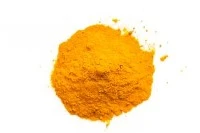
Curcumin is a natural pigment that provides a yellowish-orange coloration to different food products. It is extracted from turmeric, a popular spice used in Asian cuisine.
Sources of Microbial Colorants
Apart from plant-based sources, natural colorants can also be obtained from microbial sources such as fungi, bacteria, and yeast. These colorants include monascus, norbixin, and riboflavin, among others. Microbial colorants are obtained using fermentation technology, which converts organic substrates into pigment-rich compounds.
Applications of Natural Colorants
Natural colorants have numerous applications in the food industry. They are used in the production of different food products such as beverages, confectionery, bakery products, and dairy products, among others. Below are some of the applications of natural colorants.
Beverages
Natural colorants are commonly used in the production of different types of beverages such as soft drinks, energy drinks, and fruit juices. They provide color and enhance the visual appeal of the drinks, making them more attractive to consumers.
Confectionery
Natural colorants are commonly used in the production of confectionery products such as candies, gums, and jellies. They provide color and enhance the appearance of the products, making them more appealing to consumers.
Bakery Products
Natural colorants are also used in the production of bakery products such as bread, cakes, and cookies. They provide color to the products and enhance their visual appeal, making them more attractive to consumers.
Dairy Products
Natural colorants are also used in the production of dairy products such as yogurt, ice cream, and cheese. They provide color to the products and enhance their visual appeal, making them more attractive to consumers.
Conclusion
Natural colorants provide numerous benefits to the food industry and the environment. They are obtained from natural sources and are non-toxic and eco-friendly, making them a healthier and sustainable option for food coloring. Natural colorants provide a wide range of color options for different food products, making them more appealing to consumers. The use of natural colorants is expected to increase in the future due to growing consumer demand for healthy and organic food products.