

Are extracts good for you?
Introduction:
Extracts are becoming increasingly popular as a dietary supplement and functional ingredient. They claim to provide various health benefits, ranging from boosting immunity to improving cognitive function. However, the question remains, are extracts really good for you? In this article, we will explore the world of extracts, their potential benefits, and whether they are truly beneficial for overall health.
What are extracts?
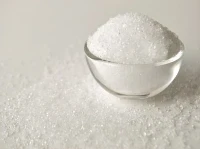
Extracts are concentrated forms of compounds found in plants, herbs, fruits, or vegetables. The extraction process involves isolating and concentrating specific bioactive compounds, such as vitamins, minerals, antioxidants, and phytochemicals, from the source material. These concentrated extracts are then used in various forms, including powders, capsules, tinctures, or oils.
The potential benefits of extracts:
1. Nutrient boost:
Extracts can be a convenient way to obtain a concentrated dose of essential nutrients. For example, fruit extracts can provide a concentrated source of vitamins and minerals, which may be beneficial for individuals with nutrient deficiencies or those looking to supplement their diet. However, it is important to note that extracts should not replace a balanced diet but rather complement it.
2. Antioxidant properties:
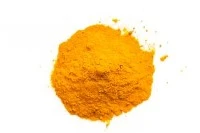
Many plant extracts, such as green tea extract, grape seed extract, or turmeric extract, are known for their antioxidant properties. Antioxidants help protect the body against oxidative stress, which is linked to various chronic diseases, including heart disease and certain types of cancer. Incorporating these extracts into your diet may contribute to overall antioxidant intake and potentially offer protective effects.
3. Anti-inflammatory effects:
Certain extracts, such as ginger extract or curcumin extract from turmeric, have been studied for their anti-inflammatory properties. Chronic inflammation is associated with the development of various diseases, including arthritis and inflammatory bowel disease. While more research is needed, incorporating these extracts into your routine may contribute to reducing inflammation in the body.
4. Cognitive support:
Some plant extracts, like ginkgo biloba extract and Bacopa monnieri extract, have been suggested to have cognitive-enhancing properties. These extracts are often marketed as memory and concentration boosters. However, the scientific evidence supporting these claims is limited and inconsistent. It is important to approach such claims with caution and consult with a healthcare professional before using them for cognitive support.
5. Immune system support:
Certain extracts, such as Echinacea extract or elderberry extract, are believed to support the immune system and help prevent or alleviate cold and flu symptoms. While some studies suggest a potential benefit, the evidence remains inconclusive. It is essential to remember that a healthy lifestyle, including a nutritious diet, regular exercise, and proper sleep, plays a crucial role in maintaining a robust immune system.
The considerations and potential risks:
1. Quality and purity:
The quality and purity of extracts can vary significantly depending on the manufacturing process and the source material. It is essential to choose reputable brands that prioritize quality control and third-party testing to ensure the absence of contaminants. Poor-quality extracts may not provide the desired health benefits and, in some cases, could even pose health risks.
2. Potential side effects:
While natural extracts are generally considered safe, they can still have potential side effects or interact with medications. For example, St. John''s Wort extract, commonly used for depression, may interfere with certain medications, including birth control pills and antidepressants. It is crucial to consult with a healthcare professional before incorporating any new extract into your routine, particularly if you have underlying health conditions or take prescription medications.
3. Not a substitute for a healthy lifestyle:
It is important to remember that extracts are not a magic solution for health problems. They should be viewed as supplements to a healthy lifestyle rather than replacements for a balanced diet, regular exercise, and other healthy habits. Relying solely on extracts without addressing other lifestyle factors may not yield the desired health outcomes.
Conclusion:
Extracts offer a concentrated form of beneficial compounds found in plants, herbs, fruits, or vegetables. While they have the potential to provide certain health benefits, such as antioxidant and anti-inflammatory effects, it is crucial to approach them with caution. Choosing high-quality extracts, consulting with healthcare professionals, and maintaining a healthy lifestyle remain key components of overall well-being. Remember, extracts can complement a healthy lifestyle, but they should not be relied upon as a sole means of achieving optimal health.